
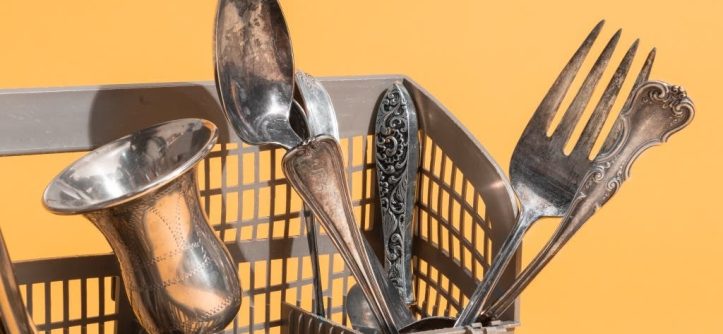
Stainless steel spoons turning black is a common kitchen frustration that catches many home cooks off guard. This discoloration occurs when the protective chromium oxide layer on the utensil’s surface breaks down due to exposure to certain foods, chemicals, or cleaning methods. The blackening typically results from reactions with sulfur compounds found in eggs, garlic, and onions, or from mineral deposits in hard water.
Understanding the science behind this phenomenon helps prevent future occurrences and guides effective cleaning strategies. When stainless steel encounters acidic foods or harsh chemicals, it can develop dark stains that seem impossible to remove. However, why do stainless steel spoons turn black becomes less mysterious once you recognize the underlying chemical processes at work.
The good news is that blackened stainless steel spoons can often be restored to their original shine using simple household ingredients. This comprehensive guide explores the causes, prevention methods, and proven cleaning solutions to keep your cutlery looking pristine.
What Causes Stainless Steel Spoons to Turn Black?
The blackening of stainless steel spoons stems from several chemical reactions that compromise the metal’s protective surface layer. Stainless steel contains chromium, which forms an invisible oxide coating that prevents rust and corrosion under normal conditions.
Sulfur-containing foods represent the primary culprit behind black stains on stainless steel utensils. Eggs, particularly the yolk, contain high levels of sulfur compounds that react with the metal surface when heated or left in contact for extended periods. Similarly, garlic, onions, and mustard can trigger similar reactions due to their sulfur content.
Hard water minerals, especially iron and manganese, create another pathway for discoloration. These minerals accumulate on the spoon’s surface over time, forming dark deposits that appear as black spots or overall darkening. The reaction intensifies when combined with heat from dishwashers or hot water washing.
Acidic substances also contribute to the blackening process by breaking down the protective chromium layer. Citrus fruits, tomatoes, vinegar, and wine can all trigger this reaction, especially when left in contact with the metal for prolonged periods.
Additionally, chlorine-based cleaners and bleach can cause chemical reactions that result in dark staining. These harsh chemicals attack the metal’s surface, creating conditions favorable for discoloration and potentially permanent damage.
How Does Food Interaction Lead to Black Stains?
Food-related blackening occurs through specific chemical processes that involve the interaction between metal ions and organic compounds. When stainless steel spoons come into contact with sulfur-rich foods, the sulfur atoms bond with iron particles in the steel, creating iron sulfide compounds that appear black.
The reaction intensifies with heat, which is why spoons used for cooking or stirring hot foods show more pronounced blackening. Temperature accelerates the chemical reaction, allowing sulfur compounds to penetrate deeper into the metal’s surface structure.
Protein-rich foods like eggs present particular challenges because they contain cysteine, an amino acid with sulfur groups. When heated, cysteine releases hydrogen sulfide gas, which then reacts with the metal surface to form dark deposits. This explains why egg-cooking utensils frequently develop black stains.
pH levels also play a crucial role in food-related discoloration. Highly acidic foods lower the surface pH of the stainless steel, making it more reactive to other compounds. This creates a cascading effect where the initial acid exposure makes the metal more susceptible to subsequent staining from other sources.
Furthermore, salt can accelerate these reactions by acting as a catalyst. When combined with moisture and organic compounds, salt creates an environment that promotes the breakdown of the protective chromium layer, leading to faster and more severe blackening.
Why Do Some Spoons Turn Black While Others Don’t?
The variation in blackening susceptibility among stainless steel spoons depends largely on their composition and quality. Higher-grade stainless steel contains more chromium and nickel, which provide better resistance to corrosion and staining. Premium cutlery typically uses 18/10 stainless steel (18% chromium, 10% nickel), offering superior protection against discoloration.
Lower-quality spoons often contain less chromium or use different steel grades that are more prone to reactions with food and chemicals. These cheaper alternatives may look identical initially but lack the robust protective properties of premium stainless steel.
Manufacturing processes also influence staining resistance. Well-finished spoons with smooth, polished surfaces resist staining better than those with rough or porous finishes. Surface imperfections create nucleation sites where chemical reactions can begin and spread.
Age and usage history affect susceptibility as well. Older spoons may have microscopic scratches or wear patterns that compromise the protective layer. Previous exposure to harsh chemicals or abrasive cleaning methods can create vulnerable spots where blackening is more likely to occur.
Additionally, some manufacturers apply protective coatings or treatments during production that enhance stain resistance. These treatments can wear off over time, explaining why spoons that initially resisted blackening may become more susceptible with age and use.
What Are the Most Effective Methods to Clean Black Stainless Steel Spoons?
Several proven cleaning methods can effectively remove black stains from stainless steel spoons, ranging from gentle household remedies to more intensive treatments. The choice of method depends on the severity of the staining and the specific cause of the discoloration.
Baking soda paste represents one of the most reliable first-line treatments for black stains. Mix three parts baking soda with one part water to create a thick paste. Apply this mixture to the blackened areas and let it sit for 15-20 minutes before scrubbing gently with a soft cloth or sponge. The alkaline properties of baking soda help neutralize acidic compounds while providing mild abrasive action.
White vinegar offers another effective solution, particularly for mineral-based stains. Soak the blackened spoons in undiluted white vinegar for 30 minutes to several hours, depending on stain severity. The acetic acid in vinegar dissolves mineral deposits and helps break down organic compounds responsible for discoloration.
For stubborn stains, cream of tartar combined with lemon juice creates a powerful cleaning paste. Mix equal parts of both ingredients to form a thick consistency, then apply to the stained areas. Allow the mixture to work for 20-30 minutes before scrubbing with a non-abrasive cloth.
Commercial stainless steel cleaners specifically designed for cookware can tackle severe blackening when household remedies prove insufficient. These products contain specialized compounds that target metal stains while protecting the underlying steel structure. Always follow manufacturer instructions and ensure adequate ventilation when using commercial cleaners.
How Can You Prevent Stainless Steel Spoons From Turning Black?
Prevention strategies focus on minimizing exposure to staining agents and maintaining proper care practices. Understanding what causes blackening allows you to modify your kitchen habits to protect your cutlery investment.
Immediate cleaning after use represents the most effective prevention strategy. Don’t allow food residues to sit on stainless steel surfaces for extended periods, especially sulfur-rich foods like eggs or garlic. Rinse spoons promptly after cooking and wash them thoroughly with mild dish soap and warm water.
Proper storage conditions also play a crucial role in prevention. Store clean, dry spoons in well-ventilated areas to prevent moisture accumulation. Avoid storing wet or damp utensils in enclosed spaces where condensation can promote mineral buildup and corrosion.
Water quality management can significantly reduce mineral-related blackening. If you live in a hard water area, consider installing a water softening system or using filtered water for final rinses. This reduces the mineral content that contributes to dark deposits on metal surfaces.
Choosing appropriate cleaning products helps maintain the protective properties of stainless steel. Avoid chlorine bleach, harsh abrasives, or steel wool that can damage the surface and make it more susceptible to staining. Stick to mild detergents and non-abrasive cleaning tools.
Regular maintenance cleaning with appropriate products helps preserve the metal’s natural resistance to staining. Monthly treatments with specialized stainless steel cleaners or gentle polishing compounds can help maintain the protective chromium layer.
Are There Natural Cleaning Solutions That Work?
Natural cleaning solutions often prove surprisingly effective against black stains on stainless steel spoons, offering safer alternatives to harsh commercial chemicals. These eco-friendly options use common household ingredients that are gentle on both the metal and the environment.
Lemon juice combined with salt creates an excellent natural abrasive cleaner. The citric acid in lemon juice helps dissolve mineral deposits while salt provides gentle scrubbing action. Cut a fresh lemon in half, dip it in coarse salt, and rub it directly on the blackened areas. Rinse thoroughly with warm water after treatment.
Tomato paste, surprisingly, contains natural acids that can help remove metal stains. Apply a thin layer of tomato paste to the blackened spoon and let it sit for 10-15 minutes before scrubbing with a soft cloth. The natural acidity helps break down stain compounds while being gentler than synthetic acids.
Potato skins offer another unexpected natural cleaning solution. The oxalic acid in potato skins can help remove dark stains from stainless steel. Cut a potato in half and rub the cut surface directly on the blackened areas, then rinse with warm water and dry thoroughly.
Club soda’s carbonation and mild acidity make it effective for light staining. Soak blackened spoons in club soda for several hours, then scrub gently with a soft brush. This method works particularly well for early-stage discoloration before stains become deeply set.
When Should You Consider Professional Cleaning or Replacement?

Certain situations warrant professional intervention or replacement rather than continued attempts at home cleaning. Recognizing these scenarios can save time and prevent further damage to your cutlery.
Deep pitting or corrosion that extends beyond surface staining indicates structural damage that home cleaning cannot address. If the metal shows visible holes, rough patches, or areas where the steel appears eaten away, the spoon has likely suffered permanent damage and should be replaced for food safety reasons.
Persistent staining that returns quickly after cleaning suggests ongoing issues with water quality, food handling practices, or fundamental problems with the metal composition. In such cases, investing in higher-quality cutlery or addressing underlying water quality issues may prove more cost-effective than repeated cleaning attempts.
Professional restoration services exist for valuable or antique stainless steel pieces that hold sentimental or monetary value. These specialists use advanced techniques and equipment that can address staining and damage beyond the scope of home remedies.
Health considerations should also factor into replacement decisions. If cleaning methods fail to remove all discoloration, particularly in areas that come into contact with food, replacement ensures food safety and peace of mind. Team Red Byte experts recommend replacing severely damaged cutlery rather than risking potential health issues.
Conclusion
Understanding why stainless steel spoons turn black empowers you to prevent and address this common kitchen problem effectively. The blackening results from chemical reactions between the metal and various substances, including sulfur-rich foods, minerals in hard water, and acidic compounds. However, this discoloration doesn’t mean your spoons are ruined or unsafe to use in most cases.
The cleaning solutions outlined in this guide offer multiple approaches to restoring your cutlery’s appearance, from gentle natural remedies to more intensive treatments for stubborn stains. Prevention remains the best strategy, focusing on prompt cleaning, proper storage, and appropriate care practices that preserve the metal’s natural protective properties.
Remember that not all blackening indicates serious problems, but persistent issues may signal the need for higher-quality cutlery or professional intervention. By implementing these strategies and maintaining good kitchen hygiene practices, you can keep your stainless steel spoons looking pristine for years to come.
Take action today by evaluating your current cutlery care routine and implementing the prevention strategies that best suit your kitchen setup. Your future self will thank you for the time invested in proper cutlery maintenance.
Read More Also: Paramount Plus Trial Refund Policy
Frequently Asked Questions
Is it safe to use blackened stainless steel spoons for food?
Generally, yes. Surface blackening on stainless steel spoons typically doesn’t pose health risks if the underlying metal structure remains intact. However, if you notice pitting, rough patches, or areas where food particles stick persistently, replacement is recommended for optimal food safety.
Can dishwashers cause stainless steel spoons to turn black?
Yes, dishwashers can contribute to blackening through several mechanisms. Hard water minerals concentrate during the heated drying cycle, creating deposits on metal surfaces. Additionally, certain dishwasher detergents contain chemicals that can react with stainless steel, particularly if food residues weren’t completely removed before washing.
How long does it take for cleaning solutions to work on black stains?
Treatment time varies depending on stain severity and cleaning method used. Light surface stains may respond to gentle scrubbing within minutes, while deep-set discoloration might require several hours of soaking followed by scrubbing. Baking soda paste typically needs 15-20 minutes, while vinegar soaks work best with 30 minutes to several hours of contact time.
Will blackened spoons affect the taste of food?
Surface blackening rarely affects food taste directly. However, the underlying conditions that cause blackening, such as mineral buildup or chemical residues, might impart slight metallic or off flavors to sensitive foods. Proper cleaning eliminates both the visual discoloration and any potential taste issues.
Can you prevent blackening by changing cooking techniques?
Yes, several cooking modifications can reduce blackening risk. Use wooden or silicone utensils when cooking sulfur-rich foods like eggs or garlic. Avoid leaving stainless steel spoons in acidic foods for extended periods, and rinse immediately after contact with problematic ingredients. Lower cooking temperatures can also reduce reaction intensity.
Are expensive stainless steel spoons less likely to turn black?
Higher-quality stainless steel with greater chromium and nickel content typically resists staining better than cheaper alternatives. Premium cutlery often uses 18/10 stainless steel, which provides superior protection against discoloration. However, even expensive spoons can blacken under extreme conditions or with improper care.
What’s the difference between blackening and rust on stainless steel?
Blackening appears as dark stains or discoloration on the surface, while rust manifests as reddish-brown spots that can flake or pit the metal. Blackening often results from food reactions or mineral deposits and is typically reversible with proper cleaning. Rust indicates more serious corrosion that may require replacement.




Leave a Reply