
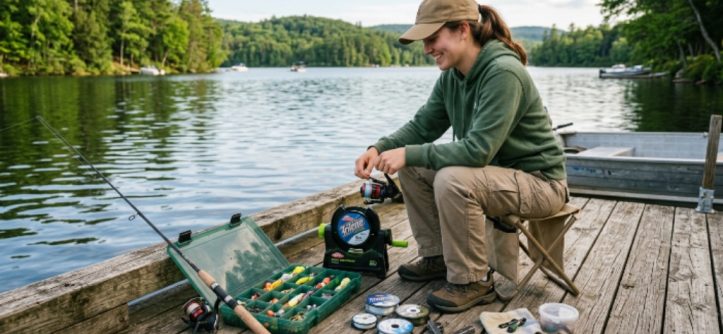
Fishing is one of the most rewarding outdoor activities you can try. However, walking into a tackle shop for the first time can feel overwhelming. The shelves are packed with gear, gadgets, and tools in every shape and size. So, where do you begin?
The good news is that you do not need everything at once. Starting with the right basics makes your first few fishing trips enjoyable rather than frustrating. This guide will walk you through everything you need to know, including one tool that beginners often overlook — the spooler.
Start With the Right Fishing Rod
The fishing rod is the foundation of your setup. For beginners, a medium-action rod is usually the best choice. It is flexible enough to cast light lures and strong enough to handle medium-sized fish.
Rod length matters too. A rod between six and seven feet long works well in most situations. It gives you decent casting distance without being too difficult to control. Shorter rods offer more accuracy, while longer ones cast farther. As a beginner, a seven-foot medium-action rod hits a comfortable middle ground.
Material is another factor. Fiberglass rods are durable and forgiving, which makes them great for beginners. Graphite rods are lighter and more sensitive, but they can be brittle if handled roughly. Therefore, starting with fiberglass or a composite blend is often the smarter move.
Choosing the Right Fishing Reel
The reel is what you use to hold, cast, and retrieve your line. There are three common types: spinning reels, baitcasting reels, and spincast reels.
For beginners, a spinning reel is usually the top recommendation. It is easy to cast, simple to maintain, and works well with most rod types. Spincast reels are even easier to use, but they tend to sacrifice some performance for simplicity.
Baitcasting reels offer excellent precision and power. However, they come with a steeper learning curve and can cause frustrating tangles, called backlash, when used incorrectly. Save the baitcaster for when you have more experience on the water.
When choosing a spinning reel, pay attention to the gear ratio. A ratio around 5:1 or 6:1 is ideal for beginners. This tells you how many times the spool rotates per handle turn. A mid-range gear ratio gives you a good balance of speed and power.
Understanding Fishing Line
Fishing line is one of the most important parts of your basic fishing equipment, yet it often gets less attention than rods and reels. There are three main types: monofilament, fluorocarbon, and braided line.
Monofilament is the best choice for beginners. It is affordable, easy to tie knots with, and forgiving when you make mistakes. It also has some natural stretch, which helps absorb sudden pulls from a fighting fish.
Fluorocarbon is nearly invisible underwater, making it great as a leader line. However, it is stiffer and harder to manage on its own, so beginners often use it in combination with monofilament.
Braided line is incredibly strong for its diameter and has almost no stretch. This gives you excellent sensitivity but less forgiveness. It also requires specific knots to stay tied securely. Additionally, it tends to be more expensive.
For most beginners, starting with eight to twelve-pound monofilament line covers a wide range of fishing situations.
Hooks, Weights, and Bobbers
These three items are small but essential. Together, they make up the core of your terminal tackle — the gear attached at the end of your line.
Hooks come in many sizes. Smaller numbers mean larger hooks, which can be confusing at first. For general freshwater fishing, sizes 6 to 10 work well for catching bass, trout, and panfish. Circle hooks are a great beginner option because they tend to hook fish in the corner of the mouth, making releases cleaner and easier.
Weights, also called sinkers, keep your bait at the right depth. Split shot sinkers are small, easy to attach, and easy to remove. They are perfect for beginners because you can add or remove them quickly based on conditions.
Bobbers, or floats, sit on the surface of the water and dip below when a fish bites. They are simple, visual, and incredibly satisfying to watch. A small round bobber clipped to your line is all you need to start.
Why You Need a Tackle Box
A tackle box keeps all your small gear organized and protected. Without one, hooks, weights, and lures end up tangled together at the bottom of a bag. That wastes time and creates frustration on the water.
Beginner tackle boxes usually come in two styles: hard-sided boxes with removable dividers, and soft-sided bags with multiple zippered pockets. Hard-sided boxes are better for protecting lures and hooks. Soft-sided bags are lighter and easier to carry over long distances.
Start with a small or medium-sized box. You do not need a massive tackle box right away. Fill it with a variety of hooks, some weights, a few bobbers, and two or three basic lures. You can always expand your collection over time.
The Tool Beginners Often Forget: The Spooler
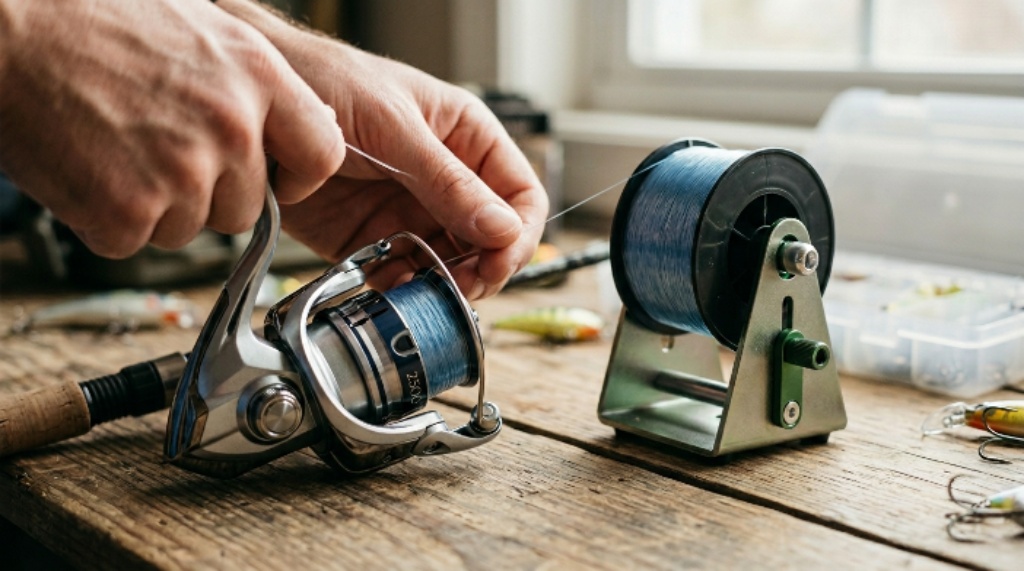
Here is something most beginner guides skip entirely — the spooler. A spooler is a simple device that helps you load fishing line onto your reel evenly and without twists.
When you spool line by hand onto a reel, it often goes on unevenly. This leads to line twist, tangles, and frustrating knots during casting. These problems can ruin a fishing trip quickly.
The spooler benefits beginners in a very practical way. It holds the line spool at the correct tension as you wind it onto your reel. This keeps the line straight, tight, and properly layered. The result is smoother casts and fewer headaches.
Most spoolers are inexpensive, often costing less than fifteen dollars. Some tackle shops and fishing retailers offer free line spooling with purchase, using a professional spooling machine. However, having your own spooler at home means you can re-spool whenever your line wears out without making a trip to the store.
A spooler also saves you money in the long run. Improperly loaded line wears out faster and breaks more easily. Therefore, getting this step right from the start protects your investment in quality line.
Lures vs. Live Bait
One of the earliest decisions you will face is whether to use lures or live bait. Both have their place, and beginners benefit from understanding the difference.
Live bait — like worms, minnows, or crickets — is highly effective because it smells and moves naturally. Fish are instinctively attracted to it. It requires less skill to present effectively. For this reason, many beginners start with live bait and have great success.
Lures are artificial baits made of plastic, metal, or wood. They require more skill to use well because you need to control the movement yourself. However, they are reusable, cleaner to handle, and often more exciting to fish with. Spinners, soft plastic worms, and small crankbaits are good entry points for beginners.
A smart approach is to bring both. Start with live bait to get a feel for the water and where fish are sitting. Then switch to lures to practice your technique.
Conclusion
Getting started with fishing does not have to be complicated. By focusing on the essentials — a medium-action rod, a spinning reel, monofilament line, basic terminal tackle, and a well-organized tackle box — you set yourself up for success from day one.
Additionally, do not overlook the small tools that make a big difference. A spooler, for example, is one of those quiet game-changers that experienced anglers swear by. The spooler benefits are simple but significant: less line twist, smoother casts, and fewer tangles.
Take your time building your kit. Start simple, learn on the water, and add gear as your skills grow. The best basic fishing equipment is not the most expensive — it is the gear that fits your fishing style and helps you enjoy your time on the water.
Frequently Asked Questions
What is the most important piece of fishing gear for a beginner?
A medium-action spinning rod and reel combo is the single most important investment for a beginner. It covers a wide range of fishing situations and is easy to learn with.
How do I know what fishing line weight to use?
For most beginner freshwater fishing, eight to twelve-pound monofilament line works well. Match the line weight to the size of fish you expect to catch and the type of rod you are using.
What does a spooler do and do I really need one?
A spooler holds your line spool at the right tension as you wind it onto your reel. This prevents line twist and tangling. It is inexpensive and makes a noticeable difference in cast quality, so yes — it is worth having.
Should beginners use lures or live bait?
Both work well, but live bait is generally easier for beginners because fish are naturally drawn to it. Starting with worms on a hook is a simple, effective approach while you learn the basics.
How much should a beginner spend on fishing gear?
You can put together a solid beginner setup for between fifty and one hundred dollars. This includes a rod and reel combo, line, a small tackle box, and basic terminal tackle. Avoid spending too much until you know what type of fishing you enjoy most.
Related Topics:
Essential Tools for Homemade Pasta: Comparing Top Options Including GOURMEX
How to Buy a Baby Swing: A Complete Buyer’s Guide for New Parents



Leave a Reply