
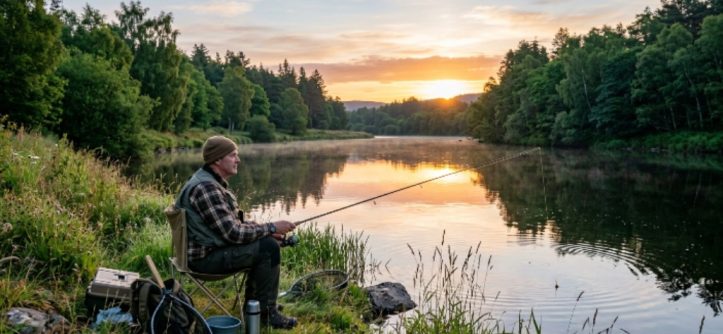
Life moves fast. Deadlines pile up. Screens demand constant attention. For millions of people around the world, the weight of daily pressure has become harder to carry. However, one of the most effective remedies is also one of the oldest — sitting quietly beside a body of water with a fishing rod in hand. Outdoor fishing is more than a hobby. It is a proven path to better mental health, and in 2026, more people than ever are discovering just how powerful it can be.
The Connection Between Fishing and Emotional Wellbeing
There is something almost magical about being near water. Researchers have long studied how natural environments affect the human brain. What they keep finding is striking. Time spent outdoors — especially near rivers, lakes, and coastlines — lowers cortisol levels, slows the heart rate, and calms the nervous system.
Fishing takes this natural benefit one step further. It gives you a reason to be outside. It gives your mind a gentle focus. And it keeps you present in the moment without demanding perfection. Therefore, it works where many traditional wellness strategies fall short — it does not feel like work.
How Stress Builds Up and Why Nature Helps
Modern stress is relentless. It comes from work, relationships, finances, and the nonstop noise of the digital world. Over time, chronic stress wears the body and mind down. It disrupts sleep, weakens the immune system, and clouds clear thinking.
Nature offers a counterbalance. Studies show that spending even 20 minutes in a green or blue natural space significantly reduces stress hormones. This is why the concept of nature therapy — using natural environments to support emotional and psychological recovery — has grown rapidly among mental health professionals worldwide.
Fishing fits naturally into this framework. A morning at the lake is not just leisure. It is active recovery for an overworked mind.
Why Fishing Works as a Form of Mindfulness
Mindfulness is the practice of being fully present in the current moment. Most people struggle to achieve it through meditation alone. Fishing, however, creates mindfulness almost automatically.
When you cast a line, you watch the water. You listen to the birds. You feel the breeze and wait patiently. There is no room for anxious thoughts about tomorrow’s meeting or last week’s argument. Your attention is gently anchored to the present.
Additionally, the repetitive physical actions involved in fishing — casting, reeling, adjusting — give the hands and body something to do. This mild physical engagement quiets the mental chatter that fuels anxiety. It is a form of moving meditation that almost anyone can access.
Physical Activity and Its Role in Emotional Recovery
Fishing is often thought of as a passive activity. However, it involves more physical movement than most people realize. Walking to your spot, wading through shallow water, casting repeatedly, and handling your catch all add up to a meaningful level of gentle exercise.
Physical activity is one of the most evidence-backed ways to support mental health. It releases endorphins, improves sleep quality, and builds a sense of accomplishment. Even light activity, like a walk along a riverbank before settling in to fish, carries measurable psychological benefits.
Therefore, a fishing trip is not just good for the soul. It is good for the body as well. The combination makes it especially effective as a long-term wellness habit.
The Power of Disconnecting from Technology
One of the biggest threats to emotional wellbeing in 2026 is constant digital connectivity. Notifications, social media comparisons, and the pressure to always be reachable take a serious toll over time.
Fishing naturally creates distance from all of that. Most fishing spots do not have strong phone signals. Even when they do, the activity itself pulls your attention away from the screen and toward the world around you. You give your brain a genuine rest from the overstimulation of modern life.
This digital detox effect is one of the most underrated benefits of spending time outdoors. Many anglers report that they feel noticeably calmer and more focused in the days following a fishing trip, simply because their nervous systems had time to reset.
Social Connection Through Fishing Communities
Loneliness is one of the most significant contributors to poor mental health. It affects people of all ages, and its impact on psychological wellbeing is comparable to smoking in terms of long-term health risk.
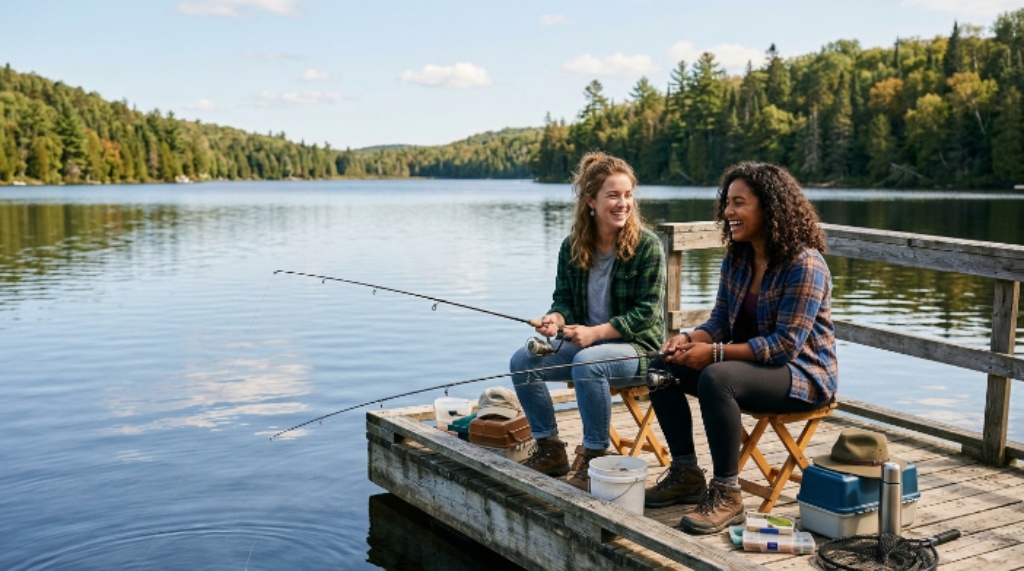
Fishing offers a natural antidote. It is an activity you can enjoy alone or with others. Many people fish with family members, friends, or local clubs. These shared experiences build trust, create conversation, and strengthen bonds in a way that is relaxed and pressure-free.
Additionally, fishing communities — both local and online — provide a sense of belonging. Joining a local angling club or simply fishing regularly with a friend gives you social anchors that support emotional resilience over time.
Getting Started with Outdoor Fishing for Wellbeing
You do not need expensive equipment or years of experience to begin. Fishing is one of the most accessible outdoor activities available. Here is how to start simply and sustainably:
- Choose a local lake, river, or coastal spot that is easy to reach
- Start with basic gear — a simple rod, reel, line, and a few hooks are enough
- Go at a quiet time of day, such as early morning or late afternoon
- Leave your phone in your bag or on silent for at least the first hour
- Focus on the experience rather than the catch — the goal is time outdoors, not a trophy fish
- Invite a friend or family member if you prefer company
- Visit the same spot regularly to build a calming routine
The routine itself becomes therapeutic. Knowing that every Saturday morning you will be sitting beside a quiet lake gives you something to look forward to. That sense of anticipation is itself a form of stress relief.
Fishing as Nature Therapy in Clinical Settings
Health professionals are increasingly recognizing fishing as a legitimate therapeutic tool. Programs that use outdoor activities — including fishing — to support recovery from depression, anxiety, PTSD, and addiction have shown encouraging results in clinical studies.
Veterans’ organizations in several countries have launched structured fishing programs to support members dealing with trauma. Schools have used angling clubs to help students manage stress and build confidence. Hospitals have incorporated outdoor activity programs — including time near water — into recovery plans for patients dealing with chronic illness.
This growing body of evidence confirms what anglers have always known intuitively. Sitting beside water, rod in hand, is genuinely healing. Nature therapy, delivered through something as enjoyable as fishing, removes the stigma that sometimes surrounds traditional mental health treatment and makes support accessible to more people.
Building a Long-Term Fishing Habit for Mental Wellness
Like any wellness practice, consistency matters. A single fishing trip will lift your mood. However, regular trips build lasting change. Here are a few ways to make fishing a sustainable part of your mental wellness routine:
- Schedule it as a non-negotiable appointment, just like a gym session
- Keep your gear ready and packed so there are no barriers to going
- Track your mood before and after each trip in a simple journal
- Explore new locations occasionally to keep the experience fresh
- Set seasonal goals — a new type of fish to catch, a new body of water to explore
Over time, you will likely notice improvements in sleep, patience, and your ability to manage daily pressure. These changes compound. Each trip builds on the last, and the cumulative effect on wellbeing can be profound.
Conclusion
Outdoor fishing is one of the most natural, accessible, and genuinely enjoyable ways to care for your emotional wellbeing. It combines the healing power of nature, the calming effect of water, gentle physical activity, and the freedom from screens into a single experience. Whether you go alone at sunrise or spend a lazy afternoon with a friend, fishing gives your mind the space it needs to rest and recover.
In 2026, stress relief does not have to look like a yoga mat or a prescription. Sometimes it looks like a quiet riverbank, a patient rod, and the gentle sound of water moving past you. Mental health improves when we give ourselves permission to slow down — and fishing makes slowing down feel easy. Start with one trip. Let nature do the rest.
Frequently Asked Questions
Does fishing actually reduce anxiety?
Yes. Multiple studies show that time spent near water and in natural environments lowers cortisol and reduces feelings of anxiety. Fishing combines these benefits with gentle focus and physical activity, making it particularly effective for calming an anxious mind.
How long do I need to fish to feel a mental benefit?
Even a short session of 30 to 60 minutes can produce noticeable mood improvements. However, longer sessions of two to three hours allow a deeper state of calm to develop. Regular weekly trips tend to produce the most lasting results.
Can children and teenagers benefit from fishing for mental wellness?
Absolutely. Fishing teaches patience, builds focus, and provides screen-free time in nature — all of which are especially valuable for young people. Many schools and youth organizations use fishing programs to support emotional development and confidence.
Do I need to catch a fish for it to be beneficial?
Not at all. The mental health benefits of fishing come primarily from the time spent outdoors, the mindful focus the activity creates, and the separation from daily stressors. Whether or not you catch anything, the experience itself is the reward.
Is solo fishing or group fishing better for mental wellbeing?
Both offer real benefits. Solo fishing is ideal for quiet reflection and deep relaxation. Group fishing builds social connection and combats loneliness. The best approach depends on what you need most at any given time — and you can alternate between the two.
Related Topics:
How to Choose the Best Beach Bags for 2026 (Waterproof & Stylish Guide)
Babysense Baby Monitor: Features, Pros, and Real Parent Feedback




Leave a Reply