
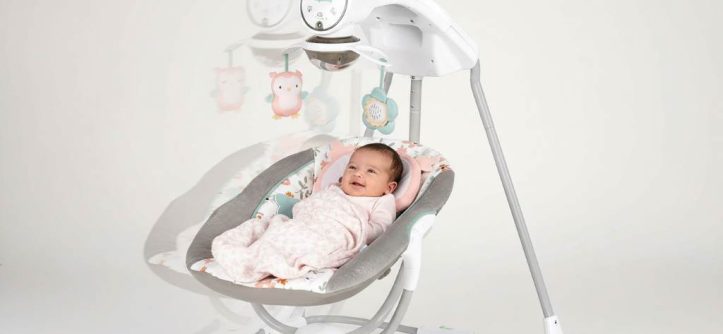
New parents often face sleepless nights with fussy babies. A baby swing can change that by offering gentle motion to calm your little one. This device mimics the rocking you provide in your arms. Parents turn to swings for hands-free soothing during busy moments. According to the American Academy of Pediatrics, rhythmic movements help reduce crying in infants by up to 50 percent. Another study from the National Institutes of Health shows that such tools support better sleep patterns in newborns. For more insights, check this Baby swing buying guide. Therefore, picking the right swing matters a lot. This article guides you through the process step by step.
Understanding Baby Swings
Baby swings provide comfort through motion. They come in various designs to suit different needs. First, consider how swings work. Most models use a motor to create side-to-side or back-and-forth swings. This action replicates a parent’s gentle sway. As a result, babies feel secure and relaxed. Moreover, swings often include toys or sounds to engage infants. You gain time for chores while your baby stays content.
However, not all swings fit every family. Some parents prefer compact options for small spaces. Others seek full-featured models with extras. Consequently, knowing your lifestyle helps in selection. For instance, if you travel often, look for portable versions. In addition, think about your baby’s age and weight. Swings typically support newborns up to six months or 25 pounds. Thus, checking specifications ensures safety and longevity.
Furthermore, swings promote development. The motion stimulates vestibular senses, aiding balance later. Research from Harvard Medical School highlights this benefit. Babies exposed to gentle swings show improved motor skills. So, investing in one supports growth. Yet, always supervise use. This practice prevents accidents and builds trust.
Types of Baby Swings
Several types exist to match preferences. Full-size swings offer stability and multiple speeds. They stand alone and provide ample space for babies. Additionally, these models often feature music and vibrations. Parents appreciate the sturdy build for daily use.
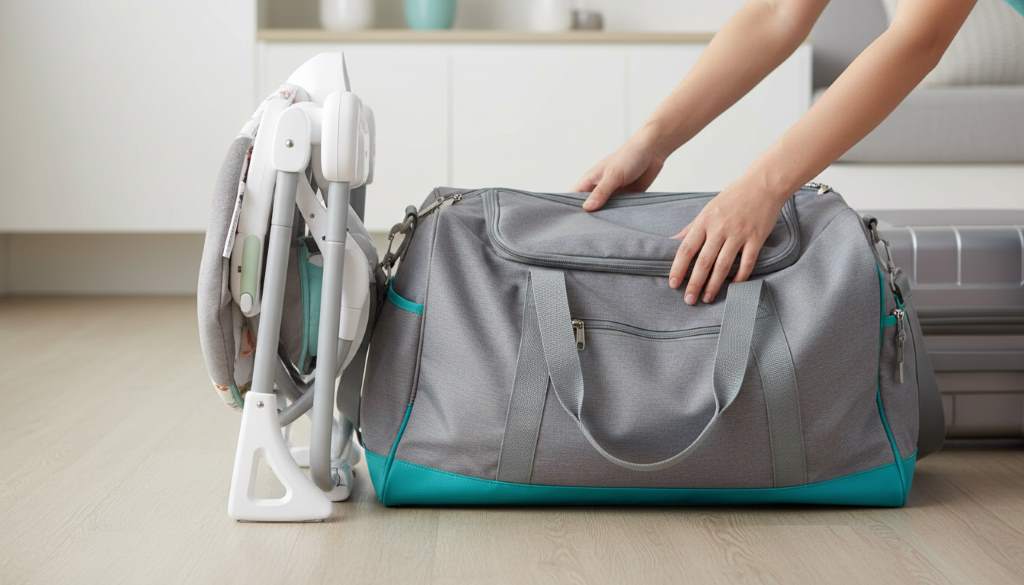
Portable swings fold easily for storage or trips. Their lightweight design makes them ideal for on-the-go families. Despite the size, they deliver effective soothing. For example, many include battery options for power flexibility.
Glider swings move smoothly without jerks. This type suits sensitive babies who dislike abrupt motions. Moreover, gliders mimic a rocking chair experience. You find them in various styles to blend with home decor.
Hybrid swings combine functions like bouncers. They switch between modes for versatility. As such, one product serves multiple purposes. This saves space and offers variety.
Finally, outdoor swings attach to playsets. They provide fresh air fun for older infants. However, ensure weather-resistant materials for durability.
Key Features to Consider
Focus on motion types first. Side-to-side swings calm colicky babies better. Back-and-forth options feel more natural to some. Many models offer both for customization.
Speed settings allow adjustments. Start slow for newborns and increase as needed. This flexibility matches your baby’s mood.
Sounds and music soothe effectively. Built-in lullabies or white noise mask household sounds. Some connect to phones for personal playlists.
Toys and mobiles engage senses. Hanging items encourage reaching and grasping. Rotating mobiles add visual stimulation.
Seats recline for comfort. Multiple positions support napping or play. Padded fabrics prevent irritation.
Harness systems secure babies. Five-point straps hold firmly without restricting movement.
Power sources vary. Plug-in models run continuously. Battery-operated ones offer portability.
Timers automate shut-off. They save energy and prevent overuse.
Washable covers simplify cleaning. Removable fabrics handle spills easily.
Vibration modes add extra soothing. Gentle buzzes mimic car rides.
Safety First in Baby Swings
Prioritize safety standards. Look for JPMA certification. This seal confirms rigorous testing.
Check weight limits strictly. Exceeding them risks instability.
Inspect frames for sturdiness. Metal bases provide better support than plastic.
Ensure no small parts detach. Choking hazards pose serious threats.
Position swings on flat surfaces. Uneven floors cause tipping.
Avoid placing near hazards. Keep away from cords or hot items.
Supervise always during use. Never leave babies unattended.
Follow assembly instructions carefully. Proper setup prevents malfunctions.
Register products for recalls. Manufacturers notify about issues promptly.
Educate caregivers on usage. Consistent practices maintain safety.
How Baby’s Age and Needs Influence Choice
Newborns require cradling seats. These support heads and necks properly.
Colicky babies benefit from vibrations. Extra features ease discomfort.
Active infants enjoy toys. Engaging elements keep them occupied.
Consider sleep patterns too. Swings with timers aid naptime routines.
For multiples, larger swings work. They accommodate twins sometimes.
Allergies matter in fabric selection. Hypoallergenic materials prevent reactions.
Mobility needs guide portability. Frequent movers pick lightweight options.
Home space dictates size. Compact models fit apartments better.
Budget aligns with features. Essential ones suffice for basics.
Personal style blends with decor. Neutral colors integrate seamlessly.
Setting Up Your Baby Swing
Unbox components carefully. Lay them out for easy assembly.
Read manuals thoroughly. Diagrams guide step by step.
Gather tools if needed. Screwdrivers often come included.
Attach bases securely. Tighten all screws.
Install seats properly. Click mechanisms confirm placement.
Test motions manually. Ensure smooth operation.
Place in safe spots. Central rooms allow monitoring.
Adjust settings initially. Low speeds suit starters.
Introduce babies gradually. Short sessions build familiarity.
Monitor reactions closely. Adjust based on responses.
Maintenance Tips for Longevity
Clean fabrics regularly. Spot wipe stains immediately.
Disassemble for deep cleans. Follow care labels.
Check batteries often. Replace when low.
Lubricate moving parts. Smooth function prevents wear.
Store properly when unused. Covered areas protect from dust.
Inspect for damage weekly. Repair or replace faulty items.
Rotate usage spots. Even wear extends life.
Keep manuals handy. Reference for troubleshooting.
Teach family members care. Shared responsibility maintains condition.
Update firmware if applicable. Smart models benefit from this.
Related:
Babysense Baby Monitor: Features, Pros, and Real Parent Feedback
Best Baby Monitor Stores in Washington, DC: Top Picks for New Parents
Common Mistakes to Avoid
Overlooking weight limits endangers babies. Always verify specifications.
Ignoring recalls misses safety updates. Stay informed through registrations.
Placing in unsafe areas invites accidents. Choose monitored locations.
Skipping supervision tempts fate. Constant watch prevents issues.
Forgetting cleaning breeds germs. Regular upkeep promotes health.
Choosing based on looks alone disappoints. Functionality trumps aesthetics.
Rushing assembly causes errors. Patience ensures correctness.
Disregarding baby’s cues leads to discomfort. Observe and adapt.
Neglecting power checks drains efficiency. Monitor sources routinely.
Assuming all swings fit ignores needs. Tailor to your situation.
Benefits Beyond Soothing
Swings free up parents’ time. You handle tasks while babies relax.
They encourage independence gently. Babies learn self-soothing skills.
Motion aids digestion sometimes. Gentle swings reduce reflux.
Sensory inputs stimulate brains. Toys and sounds foster curiosity.
Family bonding occurs around swings. Siblings interact safely.
Travel becomes easier with portables. Consistent comfort on trips.
Routines establish with timers. Predictable schedules benefit all.
Development milestones accelerate. Balance and coordination improve.
Community shares experiences online. Forums offer tips and support.
Overall wellness enhances. Happier babies mean rested parents.
Integrating Swings into Daily Routines
Start mornings with gentle swings. Babies wake calmly.
Use during meals prep. Hands-free time speeds cooking.
Incorporate play sessions. Toys keep engagement high.
Nap transitions smooth with motions. Drowsiness sets in naturally.
Evening wind-downs benefit. Lullabies prepare for bed.
Family gatherings include swings. Guests admire functionality.
Outdoor time pairs with portables. Picnics gain comfort.
Errand runs simplify. Foldable designs fit cars.
Storytime enhances in seats. Rocking adds rhythm.
Health check-ups prepare babies. Familiar motions ease anxiety.
Expert Insights on Baby Swings
Pediatricians recommend limited use. Twenty to thirty minutes sessions suffice.
Occupational therapists praise sensory benefits. Controlled motions build skills.
Parent coaches suggest variety. Alternate with other activities.
Product testers evaluate durability. Long-term use reveals quality.
Safety experts stress standards. Compliance reduces risks.
Designers focus on ergonomics. Comfort shapes better experiences.
Researchers study impacts. Studies link swings to better moods.
Bloggers share real stories. Personal anecdotes guide choices.
Forums discuss innovations. New features emerge yearly.
Communities support decisions. Shared knowledge empowers parents.
Eco-Friendly Options in Baby Swings
Sustainable materials attract conscious parents. Bamboo fabrics offer softness.
Recyclable frames reduce waste. Metal parts last longer.
Energy-efficient motors save power. Low consumption benefits environments.
Brands commit to green practices. Certifications verify claims.
Organic cushions protect skins. Natural dyes avoid chemicals.
Repairable designs extend usability. Modular parts simplify fixes.
Second-hand markets thrive. Reuse promotes sustainability.
Packaging minimizes plastics. Biodegradable options appear.
Innovation drives eco advances. Solar-powered models experiment.
Choices impact futures. Thoughtful selections teach values.
Customizing Your Baby Swing Experience
Add personal touches like blankets. Familiar scents comfort babies.
Pair with monitors for peace. Video feeds allow checks.
Combine with apps if available. Controls enhance convenience.
Experiment with positions. Find favorites through trials.
Involve partners in choices. Shared decisions strengthen bonds.
Track usage patterns. Journals reveal preferences.
Adapt as babies grow. Adjustments maintain relevance.
Celebrate milestones in swings. Photos capture moments.
Share successes with friends. Recommendations build networks.
Evolve routines accordingly. Flexibility keeps harmony.
Troubleshooting Common Issues
Swings stop suddenly sometimes. Check connections first.
Noises indicate loose parts. Tighten components promptly.
Motions feel uneven. Balance seats properly.
Babies fuss initially. Introduce slowly with positives.
Fabrics wear over time. Replace as needed.
Power drains quickly. Opt for efficient sources.
Toys detach occasionally. Secure them firmly.
Settings reset unexpectedly. Consult guides for fixes.
Overheating occurs rarely. Ventilate areas well.
Persistence solves most problems. Patience guides resolutions.
Future Trends in Baby Swings
Smart integrations rise. Apps control functions remotely.
AI adapts motions. Sensors detect baby needs.
Eco materials dominate. Sustainability leads designs.
Compactness improves. Space-saving innovations emerge.
Health monitoring adds value. Vital signs track subtly.
Customization expands. Modular builds allow changes.
Global influences blend styles. Cultural elements incorporate.
Safety tech advances. Auto-stops prevent mishaps.
Community drives features. Feedback shapes products.
Excitement builds for releases. Anticipation fuels markets.
Conclusion
Baby swings offer essential soothing for new parents. You learned about types, features, safety, and more. Choose based on your baby’s needs and your lifestyle. This guide equips you to make informed decisions. Now, explore options and find the perfect fit. Start your search today for happier days ahead.
FAQs
What age can babies start using swings?
Babies use swings from birth. Ensure head support for newborns. Stop when they sit up or exceed limits.
How long should babies stay in swings?
Limit sessions to 30 minutes. Alternate with tummy time. This promotes healthy development.
Do swings help with colic?
Many parents report relief. Gentle motions calm fussiness. Consult doctors for persistent issues.
Can swings replace cribs?
No, swings suit short periods. Use cribs for overnight sleep. Safety guidelines emphasize this.
How to clean baby swings?
Remove fabrics and wash per instructions. Wipe frames with mild soap. Dry thoroughly before reuse.
References
- https://www.aap.org/en/patient-care/safe-sleep/
- https://www.nih.gov/news-events/news-releases/nih-study-finds-rocking-motions-help-babies-sleep
- https://www.health.harvard.edu/blog/baby-swings-and-other-equipment-2018051613820
- https://www.consumerreports.org/babies-kids/baby-swings/




Leave a Reply