
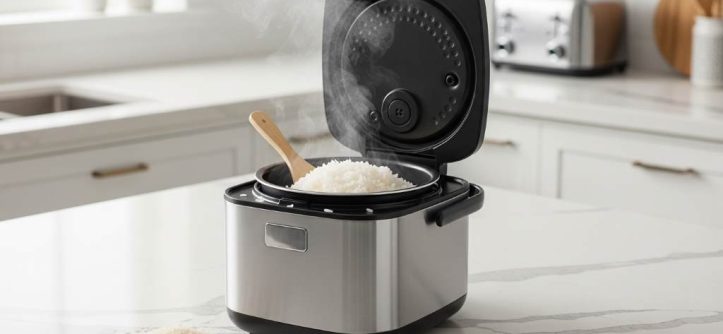
Imagine coming home after a long day. You crave a warm bowl of fluffy rice to pair with your favorite curry or stir-fry. Yet stovetop cooking often leads to sticky messes or uneven results. Small rice cookers change that completely. These compact appliances deliver perfect rice with minimal effort. Rice feeds over half the world’s population as a daily staple. Recent USDA data shows global rice consumption hitting a record 542 million tons in 2025/26. Millions of households now rely on rice cookers for convenience. However, options abound for small models suited to home use. You need a smart way to compare them. For instance, explore this detailed rice cooker comparison between popular mini and mid-size options. This guide walks you through every key factor step by step.
Why Small Rice Cookers Fit Perfectly in Modern Homes
Small rice cookers shine for singles, couples, or small families. They typically handle 3 to 6 cups of uncooked rice. That yields 6 to 12 cups cooked, enough for 2 to 6 people.
First, space matters in apartments or tiny kitchens. These models fit easily on counters without clutter. Moreover, they heat up faster than larger units. You get meals ready quicker.
Additionally, small cookers use less energy overall. Studies show rice cookers outperform stovetop methods in efficiency. For example, a typical unit runs at 400 to 700 watts but finishes the job faster with better insulation.
On the other hand, larger cookers suit big gatherings. Yet for daily home use, small ones prevent waste and overcooking. You cook just what you need.
Key Factors to Consider in Rice Cooker Comparisons
You compare small rice cookers by focusing on practical features. Each element affects daily performance. Let’s break them down.
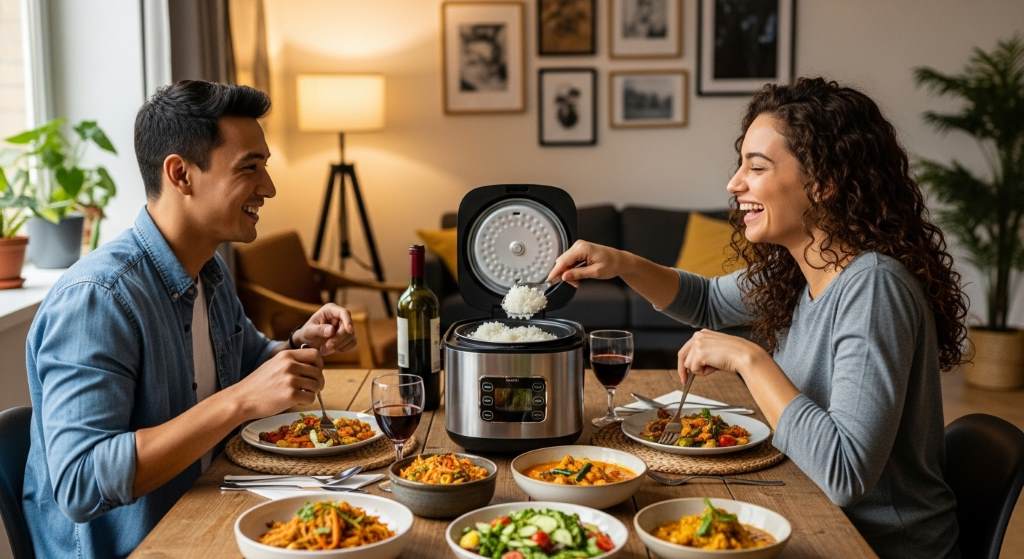
Capacity: Match It to Your Household Needs
Capacity tops the list for good reason. Manufacturers measure it in cups of uncooked rice. A 3-cup model serves 1 to 3 people ideally. It produces about 6 cups cooked.
Next, consider a 4- to 5-cup cooker for couples or small families. These handle everyday meals plus leftovers.
Then, 6-cup options work for up to 6 servings. They still stay compact for home storage.
Always think about rice types too. Brown rice expands more than white. Therefore, adjust portions accordingly.
For instance, busy professionals love 3-cup minis. They prepare single servings without excess. Families often lean toward 5-cup models for flexibility.
Cooking Technology: From Basic to Advanced
Basic models use simple heat and switch off when done. They work well for white rice. However, results vary with different grains.
Micom, or microcomputer, technology steps up performance. Sensors adjust time and temperature automatically. You get consistent results across rice varieties.
Induction heating takes it further. It surrounds the pot evenly for precise control. Premium small cookers often include this.
Additionally, fuzzy logic combines micom with adaptive settings. It handles jasmine, basmati, or sushi rice perfectly.
Consumer tests highlight these differences. Advanced tech prevents mushy or crunchy outcomes. You enjoy restaurant-quality rice at home.
Inner Pot Material: Balance Health, Performance, and Cleaning
The inner pot touches your food directly. Material choices impact everything.
Non-stick coatings release rice easily. Cleanup takes seconds. Yet some worry about PTFE chemicals at high heat.
Stainless steel offers durability and no coatings. It resists scratches and lasts years. However, rice sometimes sticks without oil.
Ceramic coatings provide non-stick without traditional chemicals. They heat evenly and clean well.
Many users prefer stainless for long-term health. Others stick with non-stick for convenience.
For example, families with kids choose ceramic. It avoids scratches from utensils. Adults cooking daily appreciate stainless strength.
Additional Features: Go Beyond Basic Rice
Modern small cookers multitask effectively. Steam vents handle vegetables or fish while rice cooks.
Slow cook settings make soups or stews. Porridge options prepare oatmeal smoothly.
Keep-warm functions maintain temperature for hours. Advanced models prevent drying or browning.
Delay timers let you set morning rice overnight. You wake to fresh batches.
However, extra features add complexity. Simple users stick to core functions.
These additions turn your cooker into a versatile tool. You save counter space with one appliance.
Ease of Use and Cleaning: Prioritize Daily Convenience
Intuitive controls save time. Clear buttons or digital displays guide you easily.
Removable inner lids and pots simplify washing. Dishwasher-safe parts help busy households.
Non-stick pots wipe clean quickly. Stainless needs light soaking sometimes.
Steam caps detach for thorough cleaning. This prevents buildup over time.
Look for cool-touch exteriors too. They stay safe around children.
Overall, easy maintenance encourages regular use. You cook rice more often without hassle.
Compact Design and Storage: Fit Your Kitchen Space
Small cookers measure under 10 inches tall usually. They slide into cabinets neatly.
Retractable cords reduce clutter. Lightweight builds move easily.
Rounded or square shapes suit different counters. Clear lids let you monitor progress.
Color options match kitchen decor. Some feature cute designs for fun.
Moreover, stable bases prevent tipping. Handles stay cool for safe transport.
These details make storage effortless. You keep your kitchen organized.
Energy Efficiency: Save Power with Smart Choices
Rice cookers consume less than stovetops generally. They insulate heat better and cycle off automatically.
Basic models use around 400 watts. Larger small units reach 700 watts.
Induction models distribute heat precisely. They waste less energy.
Keep-warm modes vary in consumption. Efficient ones sip power for hours.
Studies confirm rice cookers beat open burners. You reduce electricity use over time.
Eco-conscious buyers seek energy labels. They guide smarter purchases.
Safety Features: Protect Your Home and Family
Auto shut-off ends cycles safely. It prevents overcooking or fires.
Cool-touch bodies avoid burns. Locking lids contain steam securely.
Overheat protection adds peace of mind. Pressure sensors release excess safely.
Non-slip feet keep units stable. Overflow collectors catch drips.
These elements matter in busy homes. You focus on meals, not worries.
Step-by-Step Guide to Comparing Small Rice Cookers
Follow this process for confident choices.
First, assess your needs. Count regular servings and rice types.
Next, list must-have features. Prioritize capacity and technology.
Then, read user reviews deeply. Look for consistent feedback on performance.
Compare specifications side by side. Note materials and functions.
Additionally, watch video demonstrations. They show real operation.
Finally, weigh pros and cons. Choose what fits your routine best.
This method leads to satisfaction. You avoid buyer’s remorse.
Related:
Affordable Mini Rice Cookers Under $30 (Including Aroma 2-Cup)
How to Choose the Correct Rice Cooker for You?
Common Mistakes When Comparing Rice Cookers
Buyers often overlook capacity. They end up with too much or too little.
Others ignore material durability. Coatings wear out unexpectedly.
Some chase features they never use. Simpler models perform better daily.
Ignoring cleaning ease leads to frustration. Stuck rice discourages cooking.
Moreover, skipping safety checks risks issues. Always verify protections.
Learn from these pitfalls. You make informed decisions easily.
Conclusion
You now hold the tools to compare small rice cookers effectively. Focus on capacity, technology, materials, and practical features. These elements ensure perfect rice for your home.
Start applying this knowledge today. Evaluate options and find your ideal compact cooker. Enjoy effortless, delicious meals every time.
FAQs
What capacity suits a small household best?
A 3- to 5-cup model works perfectly for 1 to 4 people. It handles daily meals without waste. Adjust based on rice expansion.
Are non-stick pots safe for daily use?
Modern non-stick coatings prove safe when undamaged. Avoid metal utensils to prevent scratches. Stainless or ceramic alternatives offer coating-free options.
How do basic and advanced rice cookers differ?
Basic models use simple heating. Advanced ones adjust automatically for better results across grains. They handle brown or sticky rice consistently.
Which materials clean easiest?
Non-stick and ceramic pots wipe clean quickly. Stainless requires occasional soaking. Removable parts speed the process overall.
What safety features should I prioritize?
Seek auto shut-off, cool-touch exteriors, and stable bases. These prevent accidents in busy kitchens.
References
- USDA Economic Research Service Rice Market Outlook: https://ers.usda.gov/topics/crops/rice/market-outlook
- Consumer Reports Rice Cooker Ratings and Reviews: https://www.consumerreports.org/appliances/rice-cookers
- Lawrence Berkeley National Laboratory Rice Cooker Standards: https://eta.lbl.gov/publications/international-experience-standards
- TABLE Debates on Cooking Energy Efficiency: https://www.tabledebates.org/research-library/energy-efficiency-cooking-rice



Leave a Reply