
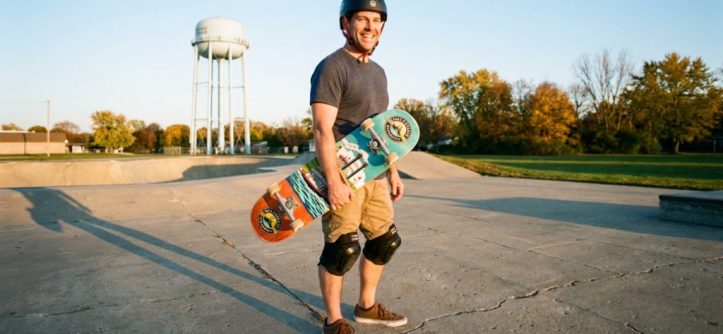
Choosing a skateboard as an adult in Illinois means dealing with realities that most beginner guides ignore: cracked Chicago bike lanes, crushed limestone trails along the lakefront, and a riding season that shrinks the moment salt hits the pavement. This guide breaks down what actually matters when you’re picking a skateboard for adults Illinois riders can use in real conditions — deck width, wheel hardness, truck geometry, and local terrain — so you can buy once and ride for years instead of replacing a department-store board every summer.
Key Takeaways
- Deck width is the single most important spec for adult riders. Most adults are best served by an 8.0–8.5 inch deck depending on shoe size and riding style.
- Wheel hardness matters more in Illinois than in most states: softer wheels (78A–87A) handle cracked asphalt and trail paths, while harder wheels (99A+) suit smooth skatepark concrete.
- Complete skateboards from dedicated brands generally outperform big-box store boards in durability, even at similar prices.
- Illinois riding is seasonal. Winter salt and moisture destroy bearings and grip tape faster than riding itself, so storage and maintenance habits matter as much as the board you buy.
- Helmet and pad use isn’t optional for adults returning to skating after years away — reaction time and recovery both change with age.
What Actually Matters in an Adult Skateboard
Most adult buyers don’t need a pro-level setup. They need a board that fits their body, matches the surfaces they’ll actually ride, and doesn’t fall apart in a season. Three specs drive that outcome: deck width, wheel hardness, and truck quality. Everything else — graphics, brand hype, minor weight differences — is secondary.
Deck Width: Match It to Your Feet and Goals
Adult riders generally weigh more and have larger feet than the teenagers most beginner boards are designed for. A deck that’s too narrow feels unstable and forces your toes and heels to hang off the edges.
- 7.75–8.0 inches: Better for street tricks and technical riding, but less stable for cruising. Suits riders with shoe sizes below US 9.
- 8.0–8.25 inches: The most versatile range for adults. Works for cruising, park riding, and basic tricks.
- 8.25–8.5 inches: Best for cruising, commuting, and riders with larger feet (US 10+). Noticeably more stable at speed.
- 8.5 inches and up: Cruiser and longboard territory. Great for distance, less agile for tricks.
If you’re unsure, an 8.25-inch deck is a safe middle ground for most adult riders. You can adjust later once you know whether you gravitate toward tricks or transportation.
Wheel Hardness: An Illinois-Specific Consideration
Wheel hardness is measured on the durometer scale. The difference between a 78A wheel and a 99A wheel is the difference between gliding over a rough Chicago side street and feeling every pebble through your knees.
| Durometer | Best For | Illinois Fit |
|---|---|---|
| 78A–87A (soft) | Cruising, rough pavement, trails | Excellent for lakefront paths and suburban streets |
| 88A–95A (medium) | Mixed surfaces, commuting | Good all-around choice |
| 96A–101A (hard) | Skateparks, smooth concrete | Best for indoor parks and well-maintained plazas |
Many adult riders end up owning two wheel sets: soft wheels for commuting and trail rides, hard wheels for park sessions. Swapping wheels takes minutes with a skate tool, and it’s far cheaper than buying a second complete board.
How Illinois Terrain Shapes Your Choice
Illinois riding conditions vary dramatically depending on where you live, and that variation should influence your setup more than any generic “best skateboard” list.
Chicago and Urban Areas
City riding means potholes, expansion joints, metal grates, and constant stop-start traffic. Soft or medium wheels are almost mandatory here. Hard wheels on a Chicago street will rattle your fillings loose and stop dead on debris.
If you’re commuting, consider a slightly wider deck (8.25–8.5 inches) for stability and a set of 78A–85A wheels. Bearings with rubber shields resist grit better than metal-shielded ones in a city environment.
Suburbs and Bike Trails
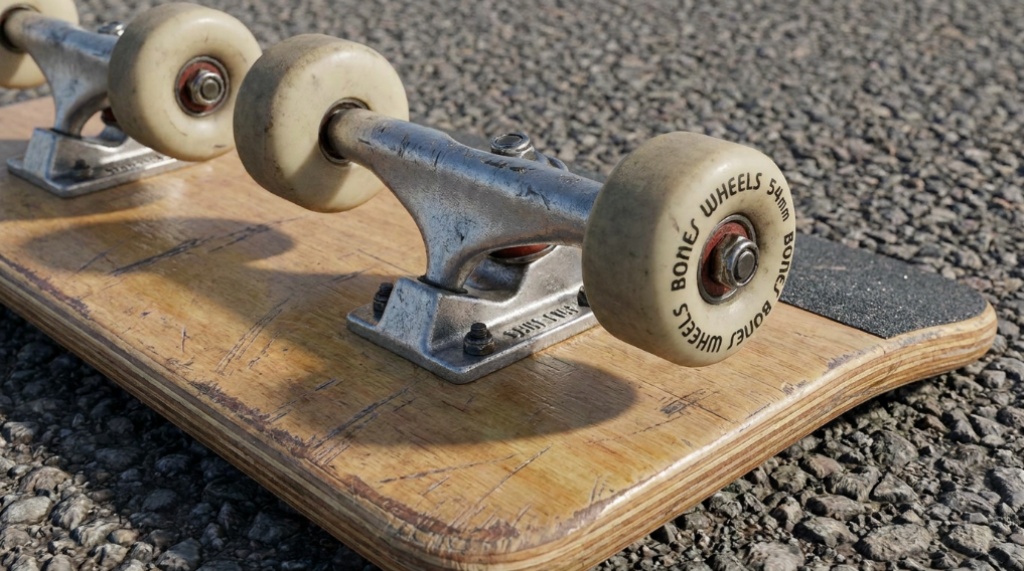
Illinois has an extensive trail network, including crushed limestone paths in some areas. Crushed limestone is technically rideable on a standard skateboard but brutal on hard wheels and small wheels. If trail riding is your goal, look at larger wheels (56–60mm) with a soft durometer.
Skateparks and Indoor Spots
Illinois has a solid network of concrete skateparks, plus indoor facilities that stay open through winter. For park riding, a standard 8.0–8.25 inch deck with 99A–101A wheels and a slightly tighter truck setup works well.
Complete Boards vs. Custom Builds for Adults
For most adults buying their first board in years, a complete skateboard from a reputable brand is the more practical choice. Completes come pre-assembled with matched components, which removes the guesswork and usually saves money compared to buying parts individually.
Custom builds make sense once you know your preferences — after you’ve ridden enough to know you want a specific deck shape, wheel durometer, or truck brand. If you’re exploring different options and want a curated starting point, this guide to a skateboard for adults Illinois riders can rely on breaks down complete setups by terrain and budget.
What to check on any complete:
- Deck wood: Seven-ply maple is the standard. Avoid boards with no wood-type information — that’s usually a sign of low-grade construction.
- Trucks: Should be aluminum, not plastic or composite. Plastic trucks flex and break.
- Bearings: ABEC 5 or ABEC 7 rating is fine. ABEC 9 and above is marketing for skateboarding purposes — you won’t feel the difference.
- Wheels: Match the durometer to your terrain, not the number.
Common Mistakes Adult Buyers Make
Adults buying skateboards tend to make a few predictable errors. Avoiding them saves money and frustration.
Buying a Board That’s Too Small
Adults often default to the same deck size they rode as teenagers. Bodies change. A deck that felt right at 14 often feels unstable at 35. Size up rather than down.
Ignoring Wheel Diameter
Durometer gets all the attention, but diameter matters just as much for rough surfaces. A 52mm wheel, even a soft one, will catch on cracks that a 58mm wheel rolls over easily. For cruising and commuting, 56–60mm is a better range than the standard 52–54mm park size.
Underestimating Maintenance
Skateboards need periodic attention. Bearings collect grit and slow down. Grip tape wears smooth. Bushings compress and lose responsiveness. Plan on cleaning or replacing bearings at least once a season if you ride regularly.
Skipping Safety Gear
Adults fall harder and heal slower than kids. A helmet, wrist guards, and knee pads aren’t a sign of inexperience — they’re what keep you riding next week instead of sitting out with a fracture. Illinois has no statewide helmet law for adults on skateboards, but that’s a legal detail, not a safety recommendation. if you are looking for a budget-friendly option, check out our guide on the without breaking the bank.
Riding Season and Winter Storage in Illinois
Illinois skating effectively runs from April through October for most riders, with indoor parks bridging the colder months. The bigger issue is what winter does to a board left in a garage or exposed to road salt.
Salt is the enemy. It corrodes bearings, rusts truck hardware, and degrades the adhesive in grip tape. If you ride through winter or transport your board on a salt-covered car, wipe down the metal parts and clean bearings more frequently than you would in summer.
For off-season storage:
- Remove and clean bearings, or plan to replace them in spring.
- Store the board indoors, not in an unheated garage or shed.
- Loosen the trucks slightly to relieve pressure on the bushings.
- Keep it off concrete floors, which can wick moisture into the deck.
Frequently Asked Questions
What size skateboard should an adult buy?
Most adults are well served by a deck between 8.0 and 8.5 inches wide. Riders with larger feet or a focus on cruising should lean toward 8.25–8.5 inches, while those interested in technical street skating can go slightly narrower. An 8.25-inch deck is the most common all-purpose choice.
Are soft or hard wheels better for Illinois streets?
Soft wheels (78A–87A) are better for most Illinois street and trail conditions because they absorb vibration and roll over rough pavement. Hard wheels (99A+) only make sense if you’re primarily riding smooth skatepark concrete.
Can adults learn to skateboard without prior experience?
Yes. Adults can absolutely learn to skateboard from scratch. Progress tends to be slower than for children because of balance and fear factors, but consistent practice on flat, smooth ground produces steady improvement. Starting with a stable, wider board helps.
How much should an adult expect to spend on a quality skateboard?
A reasonable complete skateboard from a dedicated brand typically costs more than a big-box store board but less than a high-end custom build. Prices vary by brand and components, so compare complete setups rather than chasing the cheapest option — cheap boards usually cost more over time through replacements.
Do I need a helmet as an adult skateboarder in Illinois?
Illinois does not require adults to wear helmets on skateboards by state law, though some municipalities may have local rules. Regardless of legal requirements, a helmet is strongly recommended — head injuries are the most serious risk in skateboarding at any age.
How long does a skateboard last?
A quality complete skateboard ridden regularly typically lasts one to three years before major components need replacing. Decks are usually the first to go, followed by bearings and bushings. Wheels and trucks often outlast the deck if maintained properly.
Conclusion
For an adult in Illinois, the right skateboard comes down to matching three things: deck width to your body and riding goals, wheel hardness and diameter to the surfaces you’ll actually ride, and component quality to how often you’ll be out. An 8.25-inch deck with soft-to-medium wheels covers most riders in this state, whether you’re commuting through Chicago or cruising the trails in July. Buy from brands that specify their materials, maintain the board seasonally, and gear up — the goal is riding for years, not weeks.




Leave a Reply