
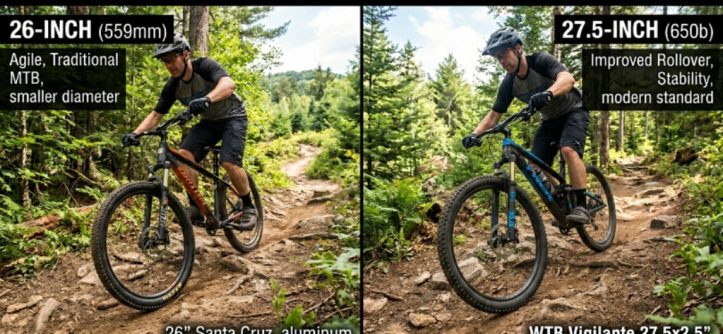
Mountain biking is exciting. However, choosing the right bike can feel overwhelming. One of the first decisions you will face is picking the right wheel size. For most riders, this comes down to 26-inch or 27.5-inch wheels. Each size has real advantages, and neither is perfect for everyone.
This guide will help you understand the differences. By the end, you will know which size fits your riding style, your body, and the trails you love.
Understanding the Two Wheel Sizes
Before diving into details, it helps to know the basics. A 26-inch wheel has been the mountain biking standard for decades. It is still widely used and respected. A 27.5-inch wheel, sometimes called a 650B, sits between the classic 26-inch and the larger 29-inch option.
The size difference may seem small. However, it creates noticeable changes in how a bike handles, rolls, and feels on the trail. Doing a proper wheel size comparison early in your search will save you from buyer’s regret later.
How Wheel Size Affects Speed and Momentum
Speed is one of the most talked-about differences between these two sizes. Larger wheels roll over obstacles more easily. Therefore, 27.5-inch wheels tend to hold momentum better on rough terrain. Once you get rolling, they keep going with less effort.
However, 26-inch wheels spin up faster. They accelerate quickly, which is useful in technical sections where you need instant power. For riders who like punchy, quick movements, this can feel more natural.
The speed vs control debate is real here. If you want top-end rolling speed, the 27.5 wins. If you want fast, responsive acceleration, the 26-inch holds its own. Think about what your trails demand most before deciding.
Control and Handling on the Trail
Control matters more than speed for many riders. A bike that feels planted and predictable builds confidence. Here, the two sizes behave quite differently.
26-inch wheels are lighter and shorter in diameter. This makes the bike easier to throw around. Sharp corners, tight switchbacks, and technical rock gardens feel more manageable. You can flick the bike quickly, which some riders love.
27.5-inch wheels offer a larger contact patch with the ground. This gives you more grip and stability, especially at higher speeds. However, they are slightly harder to maneuver in tight spots. The bike feels more planted, but it requires more physical effort to change direction quickly.
Additionally, your height plays a role. Shorter riders often find 26-inch bikes more comfortable to handle. Taller riders may feel cramped on a 26 and benefit from the longer reach a 27.5 frame usually provides.
Terrain Suitability: Which Trails Work Best?
Not all trails are created equal. Terrain suitability is a key factor when picking your wheel size. The type of riding you do most often should guide your choice.
For cross-country and hardpack trails, both sizes perform well. However, 27.5-inch wheels roll over roots and rocks more smoothly. This means less energy lost to trail chatter, so you arrive at the top of climbs feeling fresher.
For downhill and gravity riding, 26-inch wheels have a loyal following. The lighter weight helps on jumps and drops. The shorter wheelbase makes it easier to pop the front wheel and stay agile. Many freeride and park riders still swear by 26-inch setups.
For enduro and all-mountain riding, 27.5 has become the most popular choice. It balances climbing efficiency with descending control. You get the best of both worlds without the size and weight of a 29-inch wheel.
If you ride wet and muddy trails, both sizes clear mud reasonably well. However, smaller tires on 26-inch wheels can sometimes squeeze through gaps in wet roots more easily.
Weight, Upgradability, and Parts Availability
Practical concerns matter too. 26-inch bikes and parts are older technology. While they are still available, the selection has narrowed over the years. Most new tires, rims, and components are now made primarily for 27.5 and 29-inch setups.
Therefore, if you plan to upgrade your bike over time, a 27.5-inch platform makes more sense. You will find more tire options, more wheelset upgrades, and more aftermarket parts.
On the other hand, used 26-inch bikes are incredibly affordable. If you are on a tight budget or want a second bike for casual rides, you can find excellent 26-inch hardtails and full-suspension bikes at great prices.
Weight is another consideration. 26-inch wheels and tires are generally lighter than their 27.5 counterparts. For riders who race or prioritize climbing, that saved weight can make a noticeable difference.

Body Size and Fit Considerations
Bike fit affects everything: comfort, control, and injury prevention. Wheel size indirectly influences fit because it changes the overall geometry of the frame.
26-inch frames often have a shorter stack and reach. This suits riders under 5 feet 6 inches particularly well. Children and younger teens also find 26-inch bikes more proportionate.
27.5-inch bikes typically have longer top tubes and slacker head angles. This suits taller riders and those who prefer a more stretched, aggressive riding position. Additionally, many modern 27.5 bikes use updated geometry that improves stability without sacrificing fun.
However, always test ride before buying. Numbers on a spec sheet tell only part of the story. How a bike feels under you is the most important data point.
Budget and Long-Term Value
Buying a bike is an investment. You want to get the most from your money. 26-inch bikes often cost less new and significantly less used. If you are just starting out, a quality used 26-inch bike is a smart entry point.
However, 27.5-inch bikes hold their resale value better. The used market for them is strong, and they are easier to sell when you are ready to move on. Additionally, because parts are more readily available, keeping a 27.5 running over the years is often simpler and cheaper in the long run.
Conclusion
Choosing between 26 and 27.5 inch mountain bikes is a personal decision. It depends on your body, your budget, your trails, and your goals.
If you want a lightweight, agile, budget-friendly option with a strong following in technical and downhill riding, a 26-inch bike is a great choice. If you want a modern, versatile platform with better rolling efficiency and more upgradability, a 27.5-inch bike is worth the investment.
Think about where you ride most. Consider how tall you are and how long your budget stretches. Then get out and test ride both if possible. Your perfect mountain bike is the one that makes you smile every time you hit the trail.
Frequently Asked Questions
Is a 27.5-inch mountain bike faster than a 26-inch?
Generally, yes. 27.5-inch wheels hold momentum better on rough terrain. However, 26-inch wheels accelerate faster. The best choice for speed depends on your trail type and riding style.
Can I put 27.5 wheels on a 26-inch frame?
In most cases, no. The frames are built for specific wheel sizes, and swapping them causes clearance and geometry problems. Always use the wheel size your frame was designed for.
Are 26-inch mountain bikes still worth buying in 2025?
Yes, especially used bikes. They are affordable and fun. However, parts availability is shrinking, so keep that in mind for long-term maintenance and upgrades.
Which wheel size is better for beginners?
Both are beginner-friendly. However, 27.5-inch bikes offer better stability and more modern geometry, which can help new riders build confidence faster on varied terrain.
Does wheel size matter for downhill mountain biking?
Yes. Many downhill riders prefer 26-inch wheels for their lighter weight and agility. However, 27.5-inch wheels are gaining popularity in enduro and all-mountain riding because they balance speed and control effectively.
Related Topics:
How to Build a Sustainable Surf Setup with Recycled Surfboard Accessories
How to Buy a Baby Swing: A Complete Buyer’s Guide for New Parents




Leave a Reply