
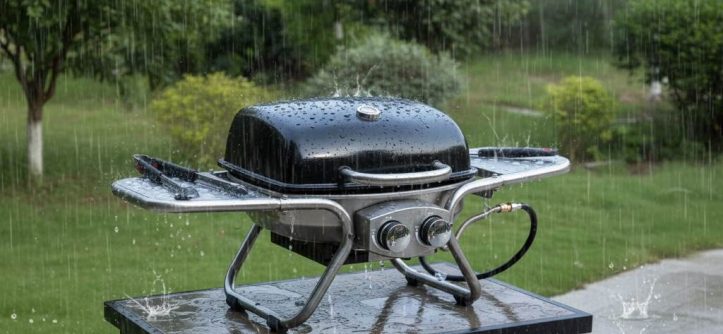
Picture this: you fire up your grill for a weekend barbecue, only to find rust spots spreading across the body after just one rainy season. Many grill owners face that frustration every year. Stainless steel gas grills change the game completely.
These grills stand strong against rain, snow, humidity, and intense sun. Manufacturers build them with a special alloy that forms a protective layer, blocking rust and corrosion naturally.
Industry reports show high-quality stainless steel gas grills often last 10 to 15 years with basic care. Lower-end models made from cheaper materials typically give out in 3 to 5 years.
That difference adds up to years of reliable cooking. If you want a durable BBQ grill that handles real outdoor life, stainless steel leads the pack. Ready to explore a solid option? Check out rust resistant grill.
This buyer’s guide breaks down exactly why these grills endure and helps you pick one that fits your needs perfectly.
The Science Behind Stainless Steel’s Superior Durability
Stainless steel earns its name for good reason. Engineers add at least 10.5% chromium to the alloy. That chromium reacts with oxygen and creates an invisible passive layer on the surface.
This thin shield blocks moisture and oxygen from reaching the metal underneath. Even if you scratch it, the layer rebuilds itself quickly.
Other metals lack this self-healing ability. Regular steel rusts fast when exposed to water. Aluminum oxidizes and pits over time. Cast iron needs constant seasoning to fight corrosion.

Moreover, stainless steel handles extreme temperature swings without warping or cracking. It expands and contracts evenly, so joints stay tight season after season.
Heat from burners reaches high levels, and stainless distributes it smoothly. That reduces hot spots that weaken weaker materials.
Additionally, modern stainless steel resists pitting from acidic foods like barbecue sauce or marinades. You cook with confidence, knowing cleanup won’t damage the surface.
All these properties combine to make stainless steel the champion for outdoor exposure.
Stainless Steel vs. Other Common Grill Materials
Shoppers often compare stainless steel to powder-coated steel, cast aluminum, and porcelain-enameled options. Each material has strengths, but stainless pulls ahead in longevity.
Powder-coated steel looks great at first. The coating protects against rust initially. However, scratches or chips expose bare metal, and rust spreads rapidly from there.
In contrast, stainless steel fights back even when scratched.
Cast aluminum resists rust well and stays lightweight. Yet it can corrode in salty coastal air and warps under very high heat. Thick stainless steel holds shape better over years of heavy use.
Porcelain-enameled steel or cast iron offers excellent heat retention. Chips in the enamel lead to quick rusting, though. Stainless needs far less babying.
Furthermore, stainless steel cleans easier without special coatings that wear off. You simply wipe it down and keep grilling.
For a truly weatherproof grill that stands up to years of elements, stainless steel wins hands down.
Understanding Stainless Steel Grades: 304 vs. 316
Not all stainless steel performs the same. Grades matter greatly for outdoor grills.
Most manufacturers use 304 stainless steel. It contains 18% chromium and 8% nickel, often called 18/8. This grade resists corrosion excellently in normal backyard conditions.
It handles rain, humidity, and typical cleaning chemicals without issues.
However, if you live near the ocean or a salted road, choose 316 stainless steel. This marine-grade version adds molybdenum, which fights chloride attack from salt.
Tests show 316 resists pitting far better in coastal environments. The upgrade costs more, but it prevents tea-colored rust stains that appear on 304 near saltwater.
Many premium brands offer 316 in critical areas like burners and grates.
Lower-cost grills sometimes use 430 stainless, which contains less nickel. It magnets stick to 430, and it rusts easier outdoors.
Always check specifications and avoid magnetic stainless for main components.
Choosing the right grade ensures your durable BBQ grill looks new for decades.
Key Features That Make a Gas Grill Truly Weatherproof
Material matters, but construction quality decides real-world longevity.
Look for these essential features:
- Heavy-gauge steel — Thicker metal resists denting and warping. Aim for 16-gauge or better in firebox and lid.
- Welded joints — Fully welded seams prevent water entry better than bolted designs.
- Double-walled lids — These insulate heat and block moisture buildup inside.
- Sealed burner boxes — Protected burners stay dry and free of debris.
- Quality grease management — Sloped trays and removable cups prevent pooling that causes rust.
- Solid cart construction — Powder-coated or stainless frames with good wheels handle moving and storage.
Additionally, cast stainless steel burners last longer than tubular ones. They resist burnout and corrosion from drippings.
Ceramic infrared burners add searing power and endure extreme heat cycles.
Side shelves in stainless steel fold or stay rigid without sagging over time.
These details separate a weatherproof grill that lasts 15 years from one that fails in half that time.
How Outdoor Elements Challenge Grills and Why Stainless Wins
Rain stands as the biggest enemy of outdoor grills. Water seeps into crevices and starts oxidation.
Snow and ice expand in cracks and split weaker materials. Humidity keeps surfaces damp, speeding corrosion.
UV rays from sun break down paints and coatings over seasons. Salt air accelerates pitting dramatically.
Stainless steel meets every challenge head-on.
Its passive layer reforms after rain exposure. Snow melts without leaving damage. Humidity affects it minimally.
UV light barely touches the alloy itself. Even in salty conditions, proper grades resist attack.
Real-world stories prove this. Grill owners in Florida and California report stainless models looking great after 12+ years outdoors uncovered.
Cheaper grills in the same yards rusted out in under five.
Location influences lifespan, but stainless steel adapts best everywhere.
Essential Maintenance Tips for Maximum Longevity
Even the best stainless steel grill needs basic care to reach full potential.
Follow these simple habits:
- Clean cooking grates after every use while warm — Brush off residue to prevent buildup.
- Empty grease tray regularly — Old grease attracts moisture and causes rust below.
- Cover the grill when not in use — A fitted cover blocks rain, pollen, and bird droppings.
- Deep clean seasonally — Remove grates and burner shields, wash with mild soap, and inspect for issues.
- Polish exterior with stainless cleaner — Oil-based products restore shine and add protection.
- Check burners and igniters yearly — Clear ports and replace worn parts early.
- Store properly in winter — If possible, move under shelter during harsh months.
Moreover, avoid harsh abrasives that scratch the surface. Use soft brushes and microfiber cloths.
These quick steps take minutes but add years to your grill’s life.
Related:
How long to boil hot dogs on stove
What is the Best Cut of Lamb for a Sunday BBQ?
Common Mistakes That Shorten Stainless Steel Grill Life
Owners sometimes harm their own grills unintentionally.
Never leave wet covers on for days. Trapped moisture creates the perfect rust environment.
Avoid storing near pool chemicals or fertilizers. Fumes attack stainless over time.
Don’t use steel wool or harsh cleaners. They remove the passive layer temporarily.
Skipping grease cleanup leads to flare-ups and burner damage.
Leaving the grill uncovered in coastal areas invites salt buildup.
Furthermore, running burners with the lid closed for storage invites condensation inside.
Simple awareness prevents these pitfalls and keeps your investment strong.
Signs It’s Time to Upgrade to Stainless Steel
You know replacement time approaches when rust spreads beyond surface spots. Burners fail to light evenly.
The firebox develops holes or severe warping. Grease trays rust through completely.
Cooking becomes uneven due to damaged heat plates. The lid no longer closes tightly.
If repairs cost more than half a new grill, upgrade makes sense.
Choose stainless steel this time and enjoy twice the lifespan or more.
Conclusion
Stainless steel gas grills dominate outdoors because they fight rust at the molecular level. They outlast cheaper materials by years, handle every weather condition, and maintain beauty with minimal effort.
Pick quality construction, the right grade for your location, and follow basic maintenance. You gain a durable BBQ grill that serves perfect meals season after season.
Invest once in a true weatherproof grill and skip the cycle of frequent replacements. Your backyard deserves equipment that lasts as long as your love for grilling.
Start shopping smart today and enjoy decades of great barbecues.
FAQs
Why do stainless steel grills resist rust better than painted ones?
Stainless steel forms a natural chromium oxide layer that self-heals when scratched. Paint eventually chips and exposes metal to moisture, allowing rust to spread quickly.
Is 304 stainless steel good enough for most backyards?
Yes. 304 grade handles typical rain, humidity, and temperature changes excellently. Only coastal owners within a few miles of saltwater need 316 marine grade.
How long do high-quality stainless steel gas grills really last?
With proper care and covering, many owners report 10 to 15 years of heavy use. Some premium models reach 20 years or beyond.
Do I need to cover my stainless steel grill?
Absolutely. A quality cover prevents dirt buildup, blocks UV damage, and stops moisture pooling that can lead to pitting over time.
Can stainless steel grills still rust?
Surface tea stains or small spots can appear from iron particles in the air. True structural rust rarely happens on quality stainless with basic cleaning.
References
- Napoleon Grills: Stainless Steel Construction Features – https://www.napoleon.com/en/ca/barbecues/discover/features/stainless-steel-construction
- Consumer Reports: Best Gas Grills Testing – https://www.consumerreports.org/home-garden/grills/best-gas-grills-of-the-year-a6005011720
- BBQ Guys: Cleaning and Maintaining Stainless Steel Grills – https://www.bbqguys.com/a/40667/grillabilities/basic/how-to-clean-maintain-stainless-steel-grill



Leave a Reply