
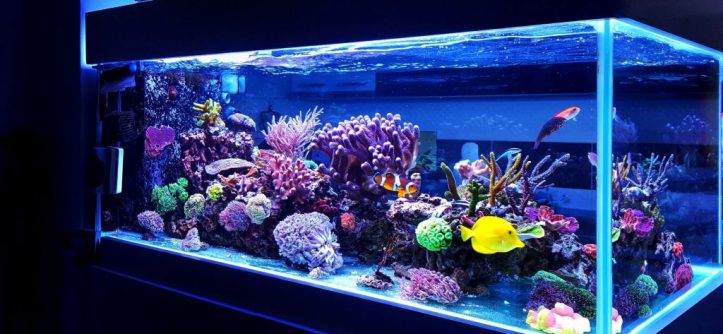
Marine aquarium success depends heavily on maintaining proper water parameters that replicate natural ocean conditions. Specific gravity represents one of the most critical measurements in saltwater aquarium keeping. This parameter directly affects fish health, coral growth, and overall ecosystem stability. Be Aquarium provides comprehensive guidance for maintaining optimal specific gravity levels and understanding their relationship to other water chemistry factors.
Specific gravity measures the density of saltwater compared to pure water, indicating dissolved salt concentration. Marine organisms evolved in environments with consistent salinity levels, making precise control essential for captive success. Therefore, understanding and maintaining proper specific gravity ranges forms the foundation of successful marine aquarium management.
The science behind understanding aquarium parameters becomes particularly crucial when dealing with marine systems where small deviations can cause significant stress to delicate organisms. Additionally, specific gravity interacts with other water chemistry parameters, creating complex relationships that require careful monitoring and adjustment.
What Is Specific Gravity in Marine Aquariums
Scientific Definition and Measurement
Specific gravity represents the ratio between the density of a solution and the density of pure water at a specific temperature. In marine aquariums, this measurement indicates the concentration of dissolved salts in the water. Pure water has a specific gravity of 1.000, while seawater typically ranges from 1.020 to 1.026.
The measurement accounts for all dissolved substances, not just sodium chloride. Natural seawater contains over 70 different elements in varying concentrations. However, the major ions contribute most significantly to overall specific gravity readings.
Temperature affects specific gravity measurements significantly. Most aquarium measurements occur at room temperature, but readings should be adjusted for actual tank temperature. Therefore, quality refractometers and hydrometers include temperature compensation features for accurate results.
Relationship to Salinity and Conductivity
Specific gravity correlates directly with salinity, which represents the total dissolved salt content measured in parts per thousand (ppt). Natural seawater averages 35 ppt salinity, corresponding to approximately 1.026 specific gravity. Additionally, conductivity measurements provide another method for monitoring salt concentration.
These three measurements complement each other in marine aquarium management. Specific gravity provides quick field measurements, while salinity offers more precise scientific values. However, conductivity meters can detect changes in ion composition that other methods might miss.
Professional aquarists often use multiple measurement methods to cross-check accuracy and detect potential problems. Each method has strengths and limitations that make combined approaches more reliable. Therefore, understanding relationships between these parameters improves overall water quality management.
Optimal Specific Gravity Ranges
Natural Seawater Standards
Natural ocean specific gravity varies slightly based on geographic location, depth, and seasonal factors. Tropical reef environments typically maintain 1.025 to 1.026 specific gravity throughout the year. These stable conditions provide reference points for aquarium management goals.
Deep ocean waters show less variation than surface waters affected by evaporation and precipitation. Coral reef environments maintain remarkably consistent salinity levels that support diverse marine ecosystems. Additionally, these natural ranges provide evolutionary context for captive organism requirements.
Seasonal variations in natural environments rarely exceed 0.001 specific gravity units over short periods. This stability demonstrates the importance of consistent aquarium conditions. However, gradual changes over longer periods can be tolerated better than rapid fluctuations.
Species-Specific Requirements
Different marine organisms show varying tolerance for specific gravity fluctuations. Most reef fish adapt to ranges between 1.020 and 1.026 without significant stress. However, delicate invertebrates like corals and certain mollusks require more precise control within 1.024 to 1.026.
Fish-only marine aquariums can operate successfully at slightly lower specific gravity levels around 1.020 to 1.023. This approach reduces salt costs while maintaining adequate conditions for hardy fish species. Additionally, lower salinity levels can help with disease treatment protocols.
Breeding marine fish often requires specific gravity adjustments to stimulate natural spawning behaviors. Some species respond to slight salinity changes that mimic seasonal variations in their native habitats. Therefore, understanding species-specific needs enables more successful breeding programs.
Aquarium Type Considerations
Reef aquariums demand the most precise specific gravity control, typically maintaining 1.025 to 1.026 consistently. Corals and other invertebrates show stress symptoms when levels deviate significantly from natural seawater values. Additionally, calcium and alkalinity precipitation occurs more readily at improper salinity levels.
Fish-only with live rock (FOWLR) systems allow slightly more flexibility while maintaining biological filtration benefits. Specific gravity ranges of 1.022 to 1.025 work well for most hardy fish species. However, live rock organisms still benefit from higher salinity levels closer to natural conditions.
Quarantine and hospital tanks may use reduced salinity levels for therapeutic purposes. Specific gravity around 1.018 to 1.020 can help treat certain parasites and bacterial infections. Therefore, flexible salinity management serves both maintenance and treatment purposes.
Measuring Specific Gravity Accurately
Refractometer Usage and Calibration
Refractometers provide the most accurate specific gravity measurements for marine aquarium use. These optical instruments measure light refraction through water samples to determine dissolved salt concentration. Additionally, quality refractometers include automatic temperature compensation for consistent results.
Calibrate refractometers regularly using distilled water to ensure accurate readings. The zero point should align perfectly with pure water before taking aquarium measurements. However, some advanced models require calibration solutions that match expected measurement ranges.
Take measurements from well-mixed aquarium areas to ensure representative samples. Areas near protein skimmers or areas with recent water additions may show temporary variations. Therefore, consistent sampling locations provide more reliable monitoring data.
Hydrometer Alternatives
Glass hydrometers offer economical alternatives for specific gravity measurement, though they’re less precise than refractometers. These instruments use weighted glass bulbs that float at different levels based on water density. Additionally, temperature affects readings significantly, requiring careful interpretation.
Plastic swing-arm hydrometers provide convenient measurements but often suffer from accuracy problems. Salt creep and air bubbles can cause false readings that lead to improper adjustments. However, regular cleaning and careful use can improve their reliability.
Digital conductivity meters measure dissolved ion concentrations that correlate with specific gravity. These instruments provide rapid readings and data logging capabilities for advanced monitoring systems. Therefore, they work well for automated aquarium management applications.
Daily and Long-term Monitoring
Establishing Testing Schedules
Test specific gravity daily during initial aquarium setup and stabilization periods. New systems experience rapid changes as salt dissolves and biological processes establish. Additionally, daily testing helps identify equipment problems or measurement errors quickly.
Established aquariums benefit from testing every few days or weekly, depending on stability and bioload. Systems with heavy feeding, high evaporation, or automatic top-off systems require more frequent monitoring. However, stable reef systems with consistent management may need less frequent testing.
Document test results to track trends and identify potential problems before they become critical. Gradual changes over time can indicate evaporation issues or salt creep problems. Therefore, record keeping enables proactive aquarium management and problem prevention.
Identifying Problem Trends
Rising specific gravity typically indicates excessive evaporation without adequate fresh water replacement. This common problem concentrates salts and raises overall density measurements. Additionally, malfunctioning automatic top-off systems can contribute to gradual increases.
Declining specific gravity suggests dilution from fresh water additions, equipment leaks, or condensation return. Protein skimmer overflow and filter maintenance can introduce fresh water into systems. However, biological processes rarely cause significant specific gravity reductions.
Rapid fluctuations indicate measurement errors, equipment malfunctions, or recent maintenance activities. Check calibration and sampling techniques before making major adjustments. Therefore, systematic troubleshooting prevents unnecessary corrections that could stress aquarium inhabitants.

Adjusting Specific Gravity Safely
Increasing Specific Gravity
Raise specific gravity gradually by removing aquarium water and replacing it with higher salinity mix. Calculate required salt additions carefully to avoid overshooting target levels. Additionally, mix replacement water thoroughly before adding it to the aquarium to ensure complete dissolution.
Add salt water slowly over several hours or days, depending on the magnitude of adjustment needed. Rapid changes stress marine organisms and can trigger disease outbreaks or mortality. However, emergency situations may require faster corrections with increased monitoring.
Distribute new salt water additions across multiple aquarium areas to promote mixing and prevent localized high-salinity zones. Use powerheads or wave makers to circulate water during adjustment periods. Therefore, proper mixing techniques ensure even distribution and reduce stress on aquarium inhabitants.
Decreasing Specific Gravity
Lower specific gravity by removing aquarium water and replacing it with fresh water or lower-salinity mix. This process requires more care than raising levels since fresh water can shock marine organisms. Additionally, use dechlorinated or reverse osmosis water to prevent chemical contamination.
Make gradual reductions over extended periods, especially for sensitive invertebrates like corals. Daily changes should not exceed 0.001 specific gravity units for established aquariums. However, emergency disease treatments may require faster reductions under careful observation.
Monitor organism behavior closely during specific gravity reductions. Signs of stress include rapid breathing, color changes, or unusual swimming patterns. Therefore, be prepared to slow or halt adjustments if inhabitants show distress symptoms.
According to research published by the National Oceanic and Atmospheric Administration, maintaining stable salinity levels is crucial for marine organism health and reproductive success in both natural and captive environments.
Equipment for Specific Gravity Management
Automatic Top-Off Systems
Automatic top-off (ATO) systems maintain consistent specific gravity by replacing evaporated fresh water. These systems use float switches or optical sensors to detect water level changes and add fresh water accordingly. Additionally, quality ATO systems include safety features to prevent overfilling and dilution.
Choose ATO systems with appropriate capacity for your aquarium’s evaporation rate. Larger reservoirs require less frequent refilling but need more space. However, smaller systems provide better control and easier maintenance for most home aquariums.
Install redundant safety measures like backup sensors and overflow drains to prevent system failures. ATO malfunctions can quickly dilute aquarium water to dangerous levels. Therefore, multiple safety systems protect against catastrophic specific gravity drops.
Dosing Pumps and Controllers
Advanced aquarium controllers can maintain specific gravity through automated water changes and dosing systems. These systems monitor multiple parameters simultaneously and make coordinated adjustments. Additionally, programmable controllers can execute complex management protocols automatically.
Dosing pumps can add concentrated salt solutions to counteract dilution from various sources. However, this approach requires careful calibration and high-quality salt mixes. Therefore, automated dosing works best for experienced aquarists with stable systems.
Consider the complexity and cost of automated systems versus manual management approaches. Simple aquariums may not justify expensive automation, while large or multiple systems benefit significantly from automated control. Additionally, backup manual procedures remain essential even with automated systems.
Troubleshooting Common Issues
Equipment Calibration Problems
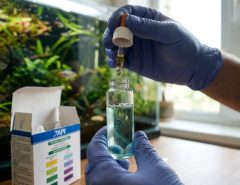
Inaccurate measurement equipment leads to improper specific gravity management and potential organism stress. Calibrate all instruments regularly using appropriate reference standards. Additionally, compare readings between different measurement methods to identify potential problems.
Replace aging measurement equipment that shows drift or inconsistent readings. Refractometer optics can deteriorate over time, while hydrometer glass can develop scratches or deposits. However, proper maintenance extends equipment life and maintains accuracy.
Environmental factors like temperature fluctuations and vibration can affect measurement accuracy. Store instruments properly and allow temperature equilibration before taking readings. Therefore, consistent measurement procedures improve reliability and reduce errors.
Salt Mix Quality Issues
Poor-quality salt mixes can create specific gravity readings that don’t match actual ionic composition. Some mixes dissolve incompletely or contain impurities that affect measurements. Additionally, old or improperly stored salt can absorb moisture and change concentration.
Use reputable salt brands designed specifically for marine aquariums rather than general-purpose sea salts. Aquarium salts contain proper trace element profiles and dissolve cleanly. However, even quality salts require proper mixing and dissolution procedures.
Mix salt water in separate containers before adding to aquariums to ensure complete dissolution and proper specific gravity. This practice prevents undissolved salt from affecting local water chemistry. Therefore, proper mixing procedures prevent many common specific gravity problems.
Biological Factor Influences
Heavy feeding and waste accumulation can affect specific gravity measurements through increased dissolved organic compounds. These substances contribute to density measurements but don’t provide the same physiological benefits as proper salt levels. Additionally, protein skimming and filtration help maintain water quality.
Bacterial blooms and algae growth can temporarily affect water density and measurement accuracy. These biological events typically resolve naturally but may require increased monitoring during active phases. However, maintain stable specific gravity throughout these cycles.
According to Scientific American, understanding the complex interactions between salinity, temperature, and biological processes is essential for successful marine aquarium management.
Seasonal and Environmental Considerations
Temperature Impact on Measurements
Water temperature significantly affects specific gravity readings and instrument accuracy. Higher temperatures reduce water density, leading to lower specific gravity readings for the same salt concentration. Additionally, seasonal temperature changes in fish rooms can affect measurement consistency.
Compensate for temperature effects using instruments with automatic temperature compensation or manual correction charts. Most quality refractometers include this feature, while hydrometers require manual adjustments. Therefore, temperature-compensated measurements provide more accurate results.
Maintain stable aquarium temperatures to minimize specific gravity fluctuations from thermal expansion and contraction. Reliable heating and cooling systems reduce measurement variability. However, natural seasonal variations can be accommodated with proper monitoring and adjustment.
Evaporation Rate Variations
Evaporation rates change seasonally based on room humidity, temperature, and air circulation. Summer months often show increased evaporation requiring more frequent fresh water additions. Additionally, heating systems during winter can reduce humidity and increase evaporation rates.
Monitor evaporation patterns throughout the year to anticipate specific gravity management needs. Adjust ATO reservoir sizes and refill schedules based on seasonal patterns. However, sudden changes in evaporation rates may indicate equipment problems or environmental changes.
Cover aquariums partially to reduce evaporation while maintaining gas exchange and equipment access. Glass or acrylic covers can reduce evaporation by 50% or more. Therefore, physical evaporation control complements automated top-off systems.
Conclusion
Maintaining proper specific gravity ranges forms the foundation of successful marine aquarium management. The optimal range of 1.025 to 1.026 replicates natural seawater conditions that support healthy fish, coral, and invertebrate populations. Additionally, consistent monitoring and gradual adjustments prevent stress-related health problems and mortality.
Key success factors include accurate measurement equipment, regular calibration, systematic monitoring schedules, and gradual adjustment techniques. Understanding the relationships between specific gravity, salinity, and other water parameters enables more effective aquarium management. Therefore, comprehensive water chemistry knowledge supports long-term marine aquarium success.
Modern aquarium technology offers automated solutions for specific gravity management, but manual backup procedures remain essential. Quality equipment, proper maintenance, and systematic approaches create stable conditions that allow marine organisms to thrive in captive environments. The investment in proper specific gravity management pays dividends through healthier, more vibrant marine aquarium displays.
Frequently Asked Questions
What is the ideal specific gravity range for reef aquariums? Reef aquariums should maintain specific gravity between 1.025 and 1.026 to match natural seawater conditions. This range supports optimal coral growth and invertebrate health. Additionally, consistent levels within this range prevent stress-related problems and promote vibrant coloration.
How often should I test specific gravity in my marine aquarium? Test specific gravity daily during setup and weekly for established systems. New aquariums experience rapid changes requiring close monitoring. However, stable systems with reliable equipment may need testing only every few days, depending on evaporation rates and system stability.
Can I use a hydrometer instead of a refractometer for specific gravity testing? Hydrometers work for basic specific gravity monitoring but are less accurate than refractometers. Glass hydrometers provide better accuracy than plastic swing-arm types. However, refractometers offer superior precision and temperature compensation features essential for sensitive marine organisms.
What causes specific gravity to increase in marine aquariums? Specific gravity increases primarily due to evaporation, which removes fresh water while leaving salts behind. Additionally, salt creep, inadequate top-off systems, and high room temperatures can accelerate evaporation and concentrate salts in aquarium water.
How quickly can I adjust specific gravity without stressing my fish? Make gradual specific gravity changes over several days, limiting daily adjustments to 0.001 units for established aquariums. Rapid changes stress marine organisms and can trigger disease outbreaks. However, emergency situations may require faster adjustments with increased monitoring and care.
Read More:
Stunning Fish Decorations for Tank: Tips, Ideas, and Trends for an Eye-catching Aquarium



Leave a Reply