
Your car’s engine generates tremendous heat while running. Without proper cooling, it would quickly overheat and suffer severe damage. Understanding how your cooling system works can save you thousands in repair costs. Additionally, Automotive Smart Solutions emphasizes that maintaining your cooling system is one of the most critical aspects of vehicle ownership.
Modern cooling systems are remarkably efficient, yet they remain relatively simple to understand. However, many drivers overlook basic maintenance until problems arise. Learning basic car repair skills everyone should know includes understanding your cooling system’s components and maintenance requirements. Therefore, this guide will help you identify potential issues before they become expensive repairs.
The cooling system prevents engine damage by regulating temperature through a network of interconnected parts. Moreover, regular maintenance ensures your vehicle runs efficiently and reliably for years to come.
How Your Car’s Cooling System Works
The cooling system operates on a simple principle: circulating coolant through the engine to absorb heat. The radiator then dissipates this heat into the surrounding air. Additionally, the system maintains optimal operating temperature regardless of weather conditions or driving demands.
Coolant flows through passages in the engine block and cylinder head. The water pump circulates this fluid continuously while the engine runs. Furthermore, the thermostat regulates coolant flow based on engine temperature. When the engine is cold, the thermostat remains closed, allowing quick warm-up. However, once optimal temperature is reached, it opens to prevent overheating.
The cooling fan provides additional airflow when the vehicle is stationary or moving slowly. Modern cars use electric fans controlled by temperature sensors. Therefore, the fan activates automatically when needed, ensuring consistent cooling performance.
Essential Cooling System Components
The Radiator
The radiator serves as the system’s heat exchanger. It consists of thin metal tubes surrounded by fins that increase surface area. Moreover, air flowing through these fins removes heat from the circulating coolant. The radiator cap maintains system pressure, which raises the boiling point of coolant.
Water Pump
The water pump creates coolant circulation throughout the system. Most vehicles use belt-driven pumps powered by the engine’s crankshaft. However, some modern cars feature electric water pumps for improved efficiency. Signs of water pump failure include coolant leaks and unusual noises from the engine bay.
Thermostat
The thermostat acts as a temperature-controlled valve. It opens and closes based on coolant temperature, ensuring the engine reaches optimal operating temperature quickly. Additionally, it prevents overcooling during cold weather driving. A faulty thermostat can cause overheating or poor fuel economy.
Cooling Fan
Electric cooling fans provide airflow when natural air circulation is insufficient. They activate when coolant temperature reaches predetermined levels. Furthermore, modern systems may include multiple fans or variable-speed units for precise temperature control.
Common Cooling System Problems
Coolant Leaks
Leaks are among the most frequent cooling system issues. They can occur at hoses, connections, the radiator, or water pump. Moreover, even small leaks can lead to significant problems if ignored. Check your driveway regularly for puddles under your parked vehicle.
According to Consumer Reports, cooling system failures account for approximately 40% of roadside breakdowns. Therefore, addressing leaks promptly prevents more serious damage.
Overheating
Engine overheating can result from various causes including low coolant, thermostat failure, or radiator blockage. Warning signs include rising temperature gauge readings and steam from the engine bay. However, continuing to drive an overheating engine can cause catastrophic damage.
Corrosion and Scale Buildup
Over time, coolant breaks down and becomes acidic. This leads to corrosion of metal components and scale deposits that restrict flow. Additionally, using water instead of proper coolant accelerates these problems. Regular coolant changes prevent most corrosion-related issues.

DIY Maintenance Tips
Checking Coolant Levels
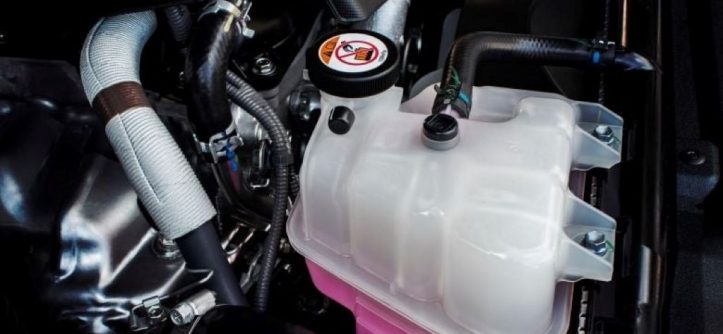
Inspect coolant levels regularly when the engine is cool. The coolant reservoir should have minimum and maximum marks for reference. Moreover, coolant should appear clean and free of debris. Dark, rusty, or contaminated coolant requires immediate attention.
Never remove the radiator cap when the engine is hot. The pressurized system can cause severe burns from escaping steam and hot coolant. Therefore, always wait until the engine cools completely before checking levels.
Visual Inspections
Examine hoses for cracks, bulges, or soft spots that indicate deterioration. Additionally, check clamps for tightness and signs of corrosion. Look for white or green residue around connections, which suggests coolant leaks.
Inspect the radiator for bent fins, debris, or corrosion. Furthermore, ensure the cooling fan spins freely without obstruction. These simple visual checks can identify problems before they cause breakdowns.
Coolant System Flushing
Flush the cooling system according to your vehicle’s maintenance schedule, typically every 30,000 to 50,000 miles. This process removes old coolant, corrosion, and scale deposits. However, consult your owner’s manual for specific intervals and coolant types.
The flushing process involves draining old coolant, running flushing solution through the system, and refilling with fresh coolant. Moreover, this maintenance significantly extends cooling system component life and prevents expensive repairs.
When to Seek Professional Help
While many cooling system maintenance tasks are DIY-friendly, some repairs require professional expertise. Complex issues like water pump replacement or radiator repair need specialized tools and knowledge. Additionally, modern vehicles with electronic controls may require diagnostic equipment for proper troubleshooting.
Seek professional help immediately if you notice persistent overheating, significant coolant loss, or unusual noises from the cooling system. Furthermore, if you’re uncomfortable performing any maintenance tasks, professional service ensures proper completion and safety.
Preventive Maintenance Schedule
Establish a regular maintenance routine to keep your cooling system functioning properly. Check coolant levels monthly and inspect hoses quarterly. Moreover, schedule professional cooling system service according to manufacturer recommendations.
Keep records of all maintenance performed, including coolant changes and component replacements. This documentation helps track system health and can be valuable for warranty claims or vehicle resale.
Conclusion
Understanding your car’s cooling system empowers you to maintain it properly and identify potential problems early. Regular maintenance prevents costly repairs and ensures reliable transportation. Moreover, basic knowledge of cooling system operation helps you make informed decisions about repairs and service.
The key points to remember include checking coolant levels regularly, inspecting hoses and connections, and following manufacturer maintenance schedules. Additionally, address any cooling system issues promptly to prevent engine damage. Therefore, investing time in cooling system maintenance protects your vehicle investment and ensures years of trouble-free driving.
Frequently Asked Questions
How often should I check my coolant level?
Check coolant levels at least once a month when the engine is cool. More frequent checks are advisable during extreme weather or before long trips. Additionally, always inspect levels if you notice the temperature gauge rising higher than normal.
Can I use water instead of coolant in an emergency?
Water can be used temporarily in emergencies, but it should be replaced with proper coolant as soon as possible. Water alone doesn’t provide freeze protection or corrosion inhibitors. Moreover, it has a lower boiling point than coolant mixtures, reducing effectiveness.
What does it mean when my temperature gauge reads high?
A high temperature reading indicates your engine is overheating. Stop driving immediately and allow the engine to cool completely. Additionally, check coolant levels and look for obvious leaks. However, continued driving with high temperature readings can cause severe engine damage.
How do I know if my thermostat is failing?
Signs of thermostat failure include slow engine warm-up, overheating, or erratic temperature gauge readings. Furthermore, you might notice poor heater performance or coolant leaks near the thermostat housing. Professional diagnosis can confirm thermostat issues.
Is it normal for coolant levels to drop slightly over time?
Slight coolant level drops are normal due to evaporation and system expansion cycles. However, significant or rapid coolant loss indicates leaks that require immediate attention. Moreover, consistently low levels despite recent refilling suggests a serious problem needing professional diagnosis.
Read More:



Leave a Reply