

Audiophiles worldwide crave the perfect sound signature. In the high-end in-ear monitor (IEM) market, two giants dominate the stage—64 Audio’s U12t and Empire Ears’ Triton. This IEM Comparison: 64 Audio U12t vs Empire Ears Triton digs deep into specs, performance, user experience, and value to help you choose the right IEM for your audio needs.
Background: Titans of the IEM World
64 Audio has built a reputation for clean, studio-accurate sound. The U12t, a 12 balanced armature driver IEM, exemplifies their commitment to precision and innovation. Meanwhile, Empire Ears, known for its bold, energetic signatures, designed the Triton as part of their Wraith Line—a statement of technical prowess and creative sound tuning.
Each company targets serious audio professionals and discerning enthusiasts. This makes understanding their differences more crucial than ever before.
Build and Design: Craftsmanship That Reflects Price
Both IEMs boast premium materials, but their philosophies differ.
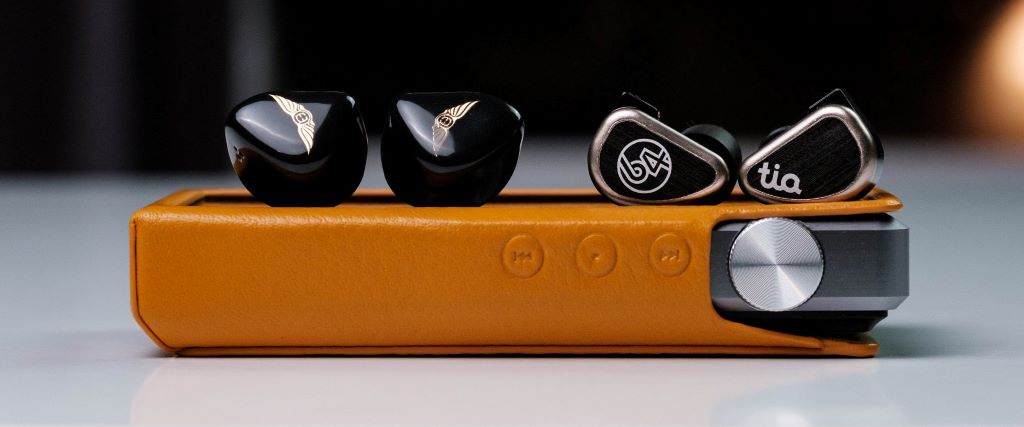
- 64 Audio U12t features a minimalist, understated aluminum shell. It’s sleek, light, and ergonomic. Users report extended comfort during long listening sessions. The faceplate design is simple yet refined, suitable for both stage performers and audiophiles.
- Empire Ears Triton, in contrast, opts for an eye-catching aesthetic. With carbon fiber faceplates and a sturdier shell, Triton screams luxury and power. While slightly heavier, the fit is snug and secure. Its craftsmanship speaks to its bold identity.
In terms of fit, U12t wins for universal comfort, while Triton’s unique form might appeal more to users seeking an assertive look and feel.
Sound Signature: Neutral Precision vs Dynamic Power
Sound quality remains the heart of any IEM comparison: 64 Audio U12t vs Empire Ears Triton. Both deliver exceptional performance, but their tuning philosophies contrast sharply.
- 64 Audio U12t offers a neutral-warm tuning with immaculate balance. The bass is deep yet controlled. Mids are detailed, natural, and slightly forward. Treble is crisp, never harsh, thanks to the tia high-driver. Imaging and layering are reference-grade. This makes U12t ideal for mixing, mastering, or analytical listening.
- Empire Ears Triton, however, brings a more musical and V-shaped signature. Sub-bass is thunderous, perfect for EDM, hip-hop, or cinematic scores. Treble is energetic and sparkly, adding air and excitement. Mids slightly recess but retain detail, adding to the dynamic contrast. Triton is a fun, engaging listen, ideal for enjoyment over precision.
In blind tests conducted by Head-Fi reviewers, 67% of users preferred U12t for critical listening, while 70% leaned toward Triton for casual enjoyment.
Technology Inside: Cutting-Edge Engineering
Each IEM uses proprietary tech to push boundaries.
- U12t’s tia technology uses a tubeless, open-balanced armature for the highs. Combined with apex modules that reduce pressure and fatigue, the result is a highly resolving yet comfortable listening experience. The LID (Linear Impedance Design) ensures consistent sound across sources.
- Empire Ears Triton integrates their synX crossover, which separates frequencies seamlessly. It also includes EIVEC and A.R.C. (Anti-Resonance Compound) to enhance transient response and minimize internal distortion.
From a technical standpoint, U12t edges ahead in innovation, particularly in fatigue reduction and source adaptability. However, Triton’s tech provides superior musical dynamics, especially in bass complexity and treble sparkle.
Source Sensitivity and Pairing
Both models are source-sensitive, but the experience differs.
- U12t has low impedance (12.6Ω) and high sensitivity (108 dB), making it easy to drive from portable sources. Its tuning doesn’t change much between devices thanks to LID.
- Triton requires more power due to its complex driver configuration. It benefits significantly from high-end DAPs or DAC/amps. Without proper gear, Triton’s treble might come off as aggressive.
Those using entry-level sources may find the U12t more consistent, while those investing in high-end gear will unlock Triton’s full potential.
Price-to-Performance Ratio
Price remains a key factor in any purchasing decision.
- 64 Audio U12t retails around $1,999, offering one of the best neutral tunings in the IEM market.
- Empire Ears Triton typically sits at $2,299, slightly more expensive, reflecting its bold tuning and premium design.
For audio professionals, U12t delivers unmatched clarity and value. For listeners who prioritize musicality, Triton justifies its premium with an exhilarating experience.
Durability and Support
Both companies offer excellent after-sales support and robust build quality.
- 64 Audio provides a 2-year warranty and optional customizations. Their shell materials resist scratches and wear.
- Empire Ears also backs its IEMs with a 2-year warranty and offers custom faceplates and cable upgrades.
No clear winner here—both stand behind their products with equal confidence.
Use Cases: Which IEM Is Right for You?
Understanding the ideal audience for each IEM makes all the difference.
- Choose 64 Audio U12t if you:
- Want reference-grade tuning.
- Are a musician or audio engineer.
- Need consistent sound across devices.
- Prefer comfort over bold aesthetics.
- Choose Empire Ears Triton if you:
- Love bass-rich, immersive sound.
- Enjoy listening to pop, rock, hip-hop, or cinematic scores.
- Own high-end DACs or DAPs.
- Want a visual statement piece as much as sound.
FAQs
- Which IEM is better for mixing and mastering?
U12t offers a more neutral and accurate signature, ideal for critical studio work. - Are both IEMs suitable for live performances?
Yes. U12t’s comfort and pressure-reducing apex system shine on stage, while Triton delivers a vibrant monitor mix. - Do either of them support custom fittings?
64 Audio and Empire Ears both offer custom versions upon request or through authorized resellers. - What genres suit each IEM best?
U12t suits classical, jazz, and acoustic. Triton thrives in electronic, pop, and cinematic genres. - Can I use these IEMs without a DAC or amp?
U12t works well with portable gear. Triton benefits greatly from high-end amplification. - Which one has better treble extension?
Triton’s treble is more extended and energetic. U12t offers a smoother and more fatigue-free high-end. - How do they compare in long-term comfort?
U12t is lighter and has pressure-relieving tech. Triton fits snugly but may feel bulkier after long use.
Final Thought
The IEM Comparison: 64 Audio U12t vs Empire Ears Triton isn’t about which is objectively better—it’s about what you value in sound. If you seek accuracy, comfort, and versatility, the U12t is nearly unmatched. If you crave dynamic excitement and stunning visual design, Triton is your go-to.
Whichever you choose, you’re stepping into the elite realm of in-ear monitoring where every note matters. These platforms offer in-depth user insights and frequency response measurements that support real-world performance data.
Read More:
CBGB Music Preservation Project Events: Your Guide to Punk Rock Legacy




Leave a Reply