

As parents, we often pause when we hear our kids use certain words, wondering if they’re harmless or harmful. One word that sparks debate is “stupid.” Is it just a casual expression, or does it carry weight that could affect a child’s development? This article dives into the question, “is stupid a bad word for kids,” exploring its impact, context, and how parents can guide their children. At its core, “stupid” is a term that can describe something foolish or lacking sense, but its use with kids requires nuance. The word isn’t a curse, yet it can sting when used to insult or belittle. Understanding its implications helps parents make informed choices. Through a Q&A format, we’ll break down the word’s effects, when it’s okay to use, and how to teach kids better ways to express themselves. Let’s explore what parents need to know to navigate this tricky topic with confidence and care.
Is Stupid a Bad Word for Kids?
The word “stupid” isn’t inherently a bad word for kids, but its impact depends on context. When used to describe actions or things, it’s often harmless. When directed at people, it can hurt feelings or lower self-esteem.
Many parents wonder, is stupid a bad word for kids? The answer hinges on how and why the word is used. TeamFat Kids, a resource for parenting and education, notes that words like “stupid” carry different weights depending on intent and delivery. Calling an idea “stupid” in a playful context—like joking about a silly game—rarely causes harm. However, using it to label a person, especially a child, can have lasting effects. Studies from the American Psychological Association suggest that negative labels can impact self-esteem, particularly in young children still forming their sense of self. Context matters because kids are impressionable, and words shape their worldview. If “stupid” is thrown around carelessly, it might normalize harsh language or make kids feel inferior. Parents should consider the setting, tone, and target of the word when deciding if it’s appropriate.
Moreover, cultural norms play a role. In some households, “stupid” is no big deal, while in others, it’s akin to a swear word. This variation means parents must set clear boundaries based on their values. Teaching kids to express frustration or disagreement without resorting to potentially hurtful words is key. For example, instead of saying, “That’s stupid,” a child could learn to say, “I don’t understand that” or “That doesn’t make sense to me.” This approach fosters emotional intelligence and respectful communication.
What Are the Effects of Calling Someone Stupid?
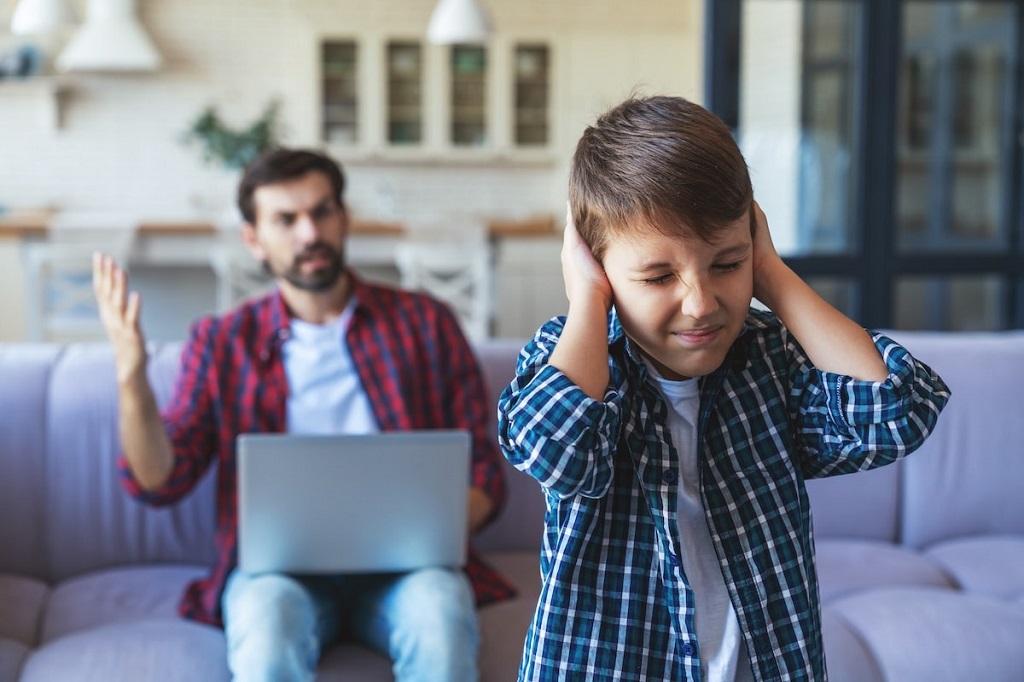
Calling someone “stupid” can hurt their self-esteem, create negative self-perceptions, and strain relationships, especially in kids who are sensitive to criticism.
When a child is called “stupid,” the impact can be more significant than adults might assume. According to a 2019 study in the Journal of Child Psychology and Psychiatry, negative verbal labels can contribute to feelings of inadequacy in children as young as five. The word doesn’t just describe a moment—it can make a child feel inherently flawed. This is particularly true in repeated use, where a child might internalize the label, leading to lower confidence or even anxiety. For instance, a kid who hears “You’re so stupid” from a sibling or peer might start doubting their abilities in school or social settings.
Additionally, the word can strain relationships. When kids use “stupid” to insult each other, it can escalate conflicts or create a culture of disrespect. Parents may notice increased sibling rivalry or tension among friends. The emotional sting of the word can also linger, making kids hesitant to take risks or share ideas for fear of being judged. On the flip side, some argue that “stupid” is just a word and kids need to toughen up. While resilience is important, dismissing the emotional impact ignores how language shapes young minds. Parents can counteract this by modeling positive language and addressing hurtful words calmly but firmly.
When Is It Okay for Kids to Use the Word Stupid?
Kids can use “stupid” to describe silly situations or objects, like a funny mistake or a broken toy, but it’s best avoided when talking about people to prevent hurt feelings.
Not every use of “stupid” is problematic. Kids often use it to express frustration or humor, like saying, “This stupid puzzle won’t fit!” In these cases, the word is directed at an inanimate object or a fleeting moment, which is unlikely to cause harm. The key is teaching kids to distinguish between describing a thing and attacking a person. For example, saying, “That movie was stupid” is different from saying, “You’re stupid for liking that movie.” The former is an opinion; the latter is personal.
Parents can guide kids by setting clear rules. For instance:
- Use it for things, not people: Encourage kids to describe objects or situations, not individuals.
- Consider the tone: A playful tone is less likely to offend than a mean-spirited one.
- Check the context: Is the word being used to bond over a joke or to bully? Intent matters.
By establishing these guidelines, parents help kids use language thoughtfully. It’s also worth noting that age matters. Younger kids might not grasp the nuance, so simpler rules, like avoiding the word altogether, might work better for them.
How Can Parents Teach Kids Alternatives to Stupid?
Parents can teach kids to use words like “silly,” “confusing,” or “not smart” instead of “stupid” to express themselves without hurting others.
Redirecting kids to kinder language is a practical way to reduce the negative impact of words like “stupid.” The goal isn’t to ban the word but to expand a child’s vocabulary and emotional awareness. For example, if a child says, “This game is stupid,” a parent might respond, “Can you say what you don’t like about it? Maybe it’s tricky or boring.” This prompts the child to articulate their feelings more precisely.
Here are some strategies to teach alternatives:
- Model better words: Parents who use phrases like “That’s puzzling” or “I don’t get it” show kids how to express frustration without negativity.
- Role-play scenarios: Practice situations where kids might want to use “stupid” and offer alternatives, like “That idea didn’t work out” instead of “That’s stupid.”
- Praise positive language: When a child uses a kinder word, acknowledge it. “I like how you said that was ‘tricky’ instead of mean words!”
Resources like Psychology Today emphasize that teaching kids to express emotions constructively builds resilience and empathy. Over time, kids learn to communicate effectively without defaulting to words that might hurt.
Does the Word Stupid Have Long-Term Effects on Kids?
Frequent use of “stupid” to describe a child can lower self-esteem and affect confidence, but occasional use in a light context is unlikely to cause lasting harm.
The long-term effects of “stupid” depend on frequency and intent. A one-off comment, like a sibling saying, “That was a stupid move,” during a game, is unlikely to leave a mark. However, repeated use—especially from trusted figures like parents or teachers—can shape a child’s self-image. A 2020 study from the National Institute of Child Health and Human Development found that consistent negative labeling correlates with lower academic performance and social withdrawal in kids aged 7–12. If a child hears “You’re stupid” often, they might start believing it, which can hinder their willingness to try new things or engage in learning.
Conversely, occasional use in a non-malicious context, like joking about a “stupid” mistake, is less likely to cause harm. The difference lies in whether the word targets the child’s identity or a specific action. Parents can mitigate potential damage by addressing hurtful language immediately and reinforcing positive self-talk. For example, after a child is called “stupid,” a parent might say, “You’re not stupid—you just made a mistake, and everyone does that sometimes.” This reframing helps kids separate their worth from their actions.
Read More Also: Spring Cleaning Checklist and Why Does It Matter?
Conclusion: Guiding Kids Toward Kinder Words
The word “stupid” isn’t inherently bad, but its impact on kids depends on how it’s used. Parents play a crucial role in teaching children when the word is okay and when it crosses a line. By modeling thoughtful language, setting clear boundaries, and encouraging alternatives, you can help your kids communicate without causing harm. Resources like TeamFat Kids offer practical advice for navigating these parenting challenges. Ultimately, fostering a home where words build up rather than tear down sets kids up for emotional and social success. Want to dive deeper into parenting tips? Visit TeamFat Kids for more insights on raising confident, kind kids.
Frequently Asked Questions
Is “stupid” considered a swear word for kids?
No, “stupid” isn’t a swear word, but it can be hurtful when used to insult someone, especially kids.
It’s more about tone and target than the word itself. Parents should teach kids to avoid using it in ways that belittle others.
At what age can kids use the word “stupid” appropriately?
Kids around 7–8 can start understanding when “stupid” is okay, like for objects or jokes, but younger kids need simpler rules.
Younger children often lack the nuance to use it without hurting feelings, so parents might restrict it until they’re older.
Can saying “stupid” lead to bullying?
Yes, if “stupid” is used to mock or belittle, it can contribute to bullying behavior.
Repeatedly targeting someone with the word can create a hostile environment, so parents should intervene early.
How do I stop my kid from saying “stupid”?
Teach alternatives like “silly” or “confusing,” and model positive language yourself.
Explain why the word can hurt and praise kids when they choose kinder words to express themselves.
Does “stupid” affect a child’s mental health?
Frequent use of “stupid” to describe a child can lower self-esteem, but occasional use in a playful context is less harmful.
Parents should monitor how often and in what context the word is used to prevent negative effects.
What should I do if my child is called “stupid”?
Comfort your child, explain that the word doesn’t define them, and address the behavior with the person who said it.
Reinforce your child’s strengths and teach them to stand up for themselves respectfully.


Leave a Reply