
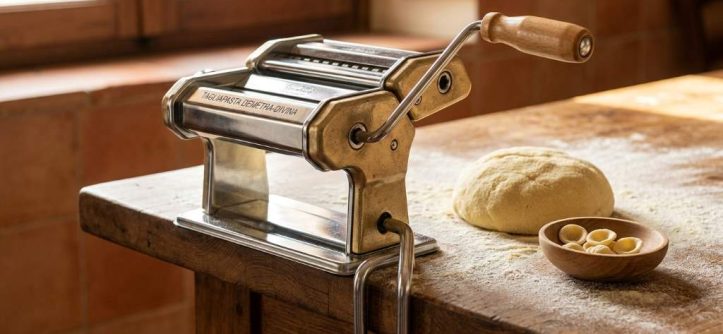
Yes, the Tagliapasta Demetra-Divina makes homemade orecchiette far easier than shaping every piece manually. This Italian manual maker weighs about 1.7 kg and creates three pasta formats, including orecchiette. With the right semolina dough and steady cranking, you can produce consistent fresh orecchiette pasta without turning your kitchen into a full pasta workshop.
Key Takeaways
- Best advantage: The Demetra-Divina simplifies repetitive orecchiette shaping.
- Best dough: Use a firm semolina-based dough with controlled hydration.
- Best setup: Secure the suction base before feeding any dough.
- Best technique: Keep dough strands uniform for consistent pasta pieces.
- Best texture: Aim for thin centers and defined edges that hold sauce.
- Best cleaning: Brush away dried dough instead of soaking the machine.
What Makes Orecchiette Different From Other Pasta?
Orecchiette means little ears, describing the pasta’s distinctive rounded and concave shape. The format comes from Puglia, where cooks traditionally shape each piece by hand. Its rough exterior and hollow center help sauces cling exceptionally well. That texture makes orecchiette especially effective with vegetables, cheese, tomato sauces, and hearty ragù.
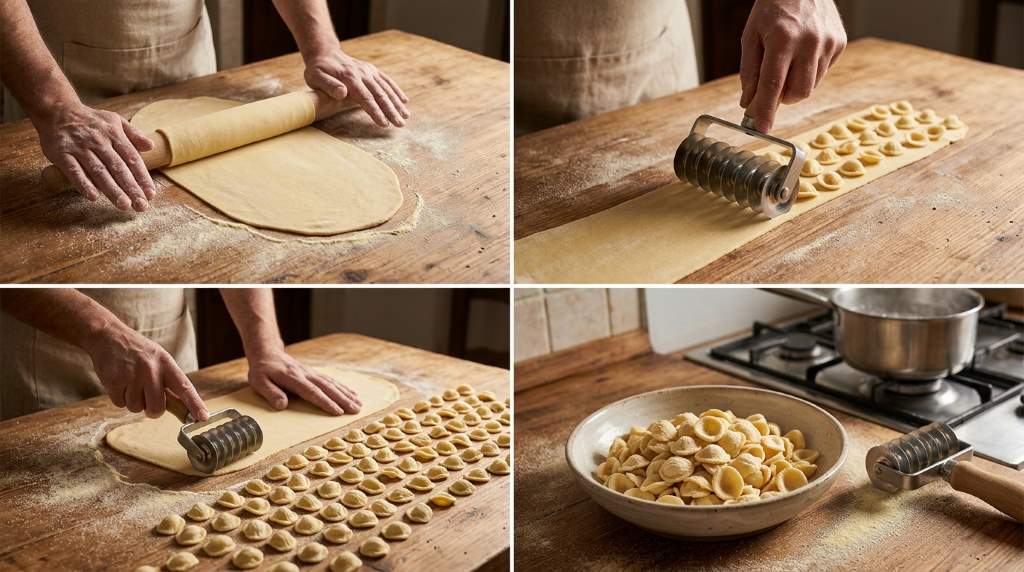
Traditional preparation requires rolling dough into ropes and cutting small pieces. Cooks then drag each piece across a work surface before turning it over. That process creates wonderful character, but it demands patience and consistent hand pressure. The Demetra-Divina approaches the same challenge mechanically while preserving the handmade appearance.
For comparison, commercial orecchiette often requires roughly 9 to 12 minutes of cooking. Fresh versions usually cook faster, depending on thickness and drying time. Therefore, your homemade pieces need consistent dimensions for predictable cooking. A reliable shape becomes more important when preparing pasta for several people.
How The Tagliapasta Demetra-Divina Works
The Demetra-Divina uses a manual crank and specialized rollers to shape pasta dough. Its aluminum construction gives the machine a substantial feel during operation. Meanwhile, the suction base helps keep the machine stable on suitable smooth countertops. You can learn more about low-cost kitchen updates when planning a better workspace for pasta preparation.
Unlike an electric pasta maker, this machine gives you direct control over feeding speed. That control matters because dough firmness can change during preparation. You can slow the crank when the dough feels resistant or adjust your strand size. Consequently, beginners gain useful feedback while learning the ideal dough consistency.
The machine focuses on three pasta styles, including orecchiette, cavatelli, and gnocchetti sardi. That specialization can actually improve results compared with multipurpose machines. Instead of juggling numerous attachments, you work with dedicated shaping mechanisms. For cooks who frequently prepare southern Italian pasta, that focused design makes practical sense.
Preparing Dough That The Machine Can Handle
The dough determines your final orecchiette more than the machine does. Traditional recipes commonly combine durum wheat semolina with water and a small amount of salt. Some recipes use around 400 grams of semolina with approximately 200 to 220 grams of water. However, semolina absorption varies, so add water gradually rather than following one rigid ratio.
Start by placing the semolina on a clean work surface or mixing bowl. Slowly incorporate lukewarm water while working the flour with your fingers. Continue kneading until the dough becomes firm, smooth, and elastic. Then cover it and allow a short rest before shaping.
A useful dough should feel firm without becoming crumbly or excessively dry. If the dough feels sticky, add small amounts of semolina during kneading. Conversely, add a few drops of water when cracks appear during rolling. This controlled approach prevents the rollers from receiving dough that lacks structural strength.
Before committing to a large batch, test a small piece through the machine. That test quickly reveals whether your hydration needs adjustment. If the dough tears, improve its elasticity before continuing. If it compresses heavily, reduce moisture or dust the working surface lightly.
Setting Up The Demetra-Divina Correctly
Place the machine on a clean, smooth, stable countertop before beginning. The suction mechanism works best when the surface provides consistent contact. Press the base firmly against the counter and engage its locking mechanism. Then check the machine for movement before feeding the first dough strand.
A stable machine makes a surprisingly large difference during manual pasta production. Excess movement can change feeding pressure and create uneven shapes. Therefore, never compensate for a loose base by gripping the machine aggressively. Recheck the suction connection instead and reposition the machine when necessary.
Your workspace also needs enough room for fresh pasta as it exits. Prepare a lightly dusted tray or wooden board beside the machine. Keep additional dough covered while you work with each portion. This simple setup prevents the dough from drying while you focus on shaping.
If your kitchen needs broader workflow improvements, consider ideas from renovate your home planning advice. A functional counter arrangement makes repetitive food preparation much easier. You do not need a large kitchen, but you do need organized working zones.
Step-By-Step: Making Orecchiette With The Machine
Step 1: Divide the rested dough into manageable portions before rolling. Keep unused portions covered so they retain moisture.
Step 2: Roll each portion into a consistent rope using your palms. Aim for even thickness throughout the strand.
Step 3: Feed the strand into the appropriate opening while turning the crank steadily. Avoid sudden changes in speed during the first passes.
Step 4: Watch the emerging pasta carefully as the rollers begin shaping it. Use your free hand to guide the pieces onto the prepared tray.
Step 5: Continue with a steady rhythm rather than rushing the crank. Consistent movement usually produces more uniform pieces.
Step 6: Spread the finished orecchiette without stacking them together. Lightly dust the tray when needed to reduce sticking.
Step 7: Allow the pasta to dry briefly if you plan to cook it later. Fresh pasta requires less cooking time than fully dried commercial pasta.
The biggest improvement usually comes from controlling dough size and feeding speed. Beginners often blame the machine when inconsistent dough causes irregular results. Instead, make one adjustment at a time and observe the next batch. That method helps you identify exactly what changes the finished pasta.
What The Test Reveals About Shape And Texture
The Demetra-Divina’s strongest quality is consistency during repetitive shaping. A well-prepared dough produces recognizable orecchiette with a useful concave center. That center gives sauces somewhere to collect during tossing. Meanwhile, the thicker edge provides the satisfying chew associated with the shape.
However, machine-made pasta should not look unnaturally identical. Small differences add character and do not affect the finished dish. Focus instead on avoiding collapsed centers, torn edges, and excessively thick pieces. Those defects influence cooking more than minor differences in appearance.
Texture also depends heavily on hydration and cooking technique. Fresh orecchiette can become soft quickly when you overcook it. Start testing early rather than relying entirely on a fixed timer. Taste one piece and look for a firm center with a pleasant bite.
For sauce pairing, the shape performs particularly well with broccoli rabe, broccoli, tomato, garlic, olive oil, and cheese. Traditional Puglian preparations often highlight vegetables rather than heavy cream sauces. Nevertheless, the pasta’s concavity works with many American-style sauces too. The important point involves choosing a sauce that benefits from good surface contact.
Common Problems And Practical Fixes
Problem: The dough sticks to the rollers. Reduce hydration slightly and dust the working area sparingly. Too much flour can create dry patches, so make small adjustments.
Problem: The orecchiette look flat. Check your dough consistency and feeding pressure first. A strand that contains too much moisture can lose definition during shaping.
Problem: The pieces vary dramatically in size. Standardize your dough ropes before feeding them. Consistent strand thickness gives the rollers a more predictable workload.
Problem: The machine moves during cranking. Stop immediately and inspect the suction base. Clean and dry the contact surface before securing the machine again.
Problem: Fresh pieces stick together. Separate them immediately after shaping. Use a light dusting of semolina and avoid overcrowding the tray.
Problem: Pasta breaks during cooking. Check for weak dough structure before changing your cooking method. Knead more thoroughly and avoid excessive hydration in the next batch.
Cleaning And Storage Without Damaging The Machine
Clean the Demetra-Divina after the dough has dried enough to remove cleanly. A dry brush or cloth can usually handle loose flour and dough residue. Avoid treating the machine like cookware by soaking its mechanical components. Instead, remove accessible residue carefully and keep moisture away from sensitive areas.
Never force dried dough from narrow spaces with sharp metal objects. Such tools can scratch surfaces or damage moving components. Use a wooden pick or suitable soft cleaning tool when necessary. Always allow the machine to remain completely dry before storage.
Store the machine somewhere dry and accessible if you make pasta regularly. Frequent use encourages better technique because you learn how dough responds to pressure. Occasional users should inspect the suction mechanism before every session. A quick setup check can prevent frustration halfway through a batch.
For larger food-preparation environments, practical organization matters even more. Resources discussing elements of commercial kitchens illustrate why workflow affects productivity. Even home cooks benefit from separating preparation, shaping, drying, and cooking areas.
Is The Demetra-Divina Worth Buying?
The answer depends on how often you want to make shaped pasta. If you make orecchiette regularly, the machine can reduce repetitive handwork substantially. It also provides greater consistency without requiring an electric motor. That combination makes it attractive for dedicated home cooks and small-batch pasta preparation.
However, casual cooks should consider its specialized purpose before purchasing. The machine does not replace a conventional pasta roller for lasagna sheets or long noodles. Instead, it focuses on regional shapes that normally require significant hand shaping. Therefore, its value increases with your interest in orecchiette and related formats.
The manual design also changes the experience rather than eliminating effort completely. You still need good dough, proper setup, and controlled feeding. Nevertheless, the machine handles the most repetitive part of shaping. That makes homemade orecchiette more approachable without removing the hands-on character of pasta making.
Based on its design, functionality, and practical workflow, the Demetra-Divina makes the strongest case for enthusiastic home cooks. It offers specialized shaping rather than unnecessary complexity. If your goal involves consistent orecchiette with less manual repetition, it deserves serious consideration.
Three Sauces That Show Off Homemade Orecchiette
Broccoli and garlic: Sauté broccoli with garlic, olive oil, and chili flakes for a simple vegetable-forward dish. Toss the cooked orecchiette directly with the mixture and finish with grated cheese.
Tomato and ricotta: Simmer ripe tomatoes with garlic and olive oil until slightly thickened. Add hot orecchiette and finish with basil and grated ricotta salata.
Sausage and greens: Brown Italian sausage and add chopped greens with garlic. Toss everything with the pasta and loosen the sauce using reserved cooking water.
These combinations work because orecchiette naturally captures small ingredients inside its concave centers. Consequently, every bite can carry sauce, vegetables, or cheese. Keep sauces moderately fluid rather than excessively thick. A little pasta water helps create the glossy coating that fresh pasta deserves.
Final Verdict: Easier Orecchiette Without Losing The Craft
The Tagliapasta Demetra-Divina succeeds because it targets one difficult pasta-making task. It makes repeated orecchiette shaping more consistent while retaining a manual cooking experience. Its suction base, dedicated rollers, and compact workflow make the process approachable. Still, your dough preparation remains the foundation of every successful batch.
Start with firm semolina dough, secure the machine properly, and feed consistent strands. Then work at a controlled pace while separating the finished pieces immediately. These habits will improve results far more than rushing through the process. With practice, homemade orecchiette becomes a repeatable kitchen skill rather than an occasional challenge.
If you want to bring authentic shaped pasta into your regular cooking routine, give the Demetra-Divina a serious look. Prepare a simple semolina dough, test a small batch, and adjust your technique gradually. Start with orecchiette, master the workflow, and let better pasta become part of your everyday cooking.
Frequently Asked Questions
Can the Demetra-Divina make authentic orecchiette?
Yes, it can produce the characteristic concave orecchiette shape when you use suitable dough and consistent feeding.
What flour works best for homemade orecchiette?
Remilled durum wheat semolina works especially well for firm, traditional-style orecchiette dough.
Does the Demetra-Divina require electricity?
No, the Demetra-Divina uses a manual crank, so it does not require electrical power.
How should I prevent fresh orecchiette from sticking?
Separate pieces immediately and dust them lightly with semolina before placing them on a drying surface.
Is the Demetra-Divina suitable for beginners?
Yes, beginners can learn it quickly, although consistent dough preparation still requires some practice.


Leave a Reply