
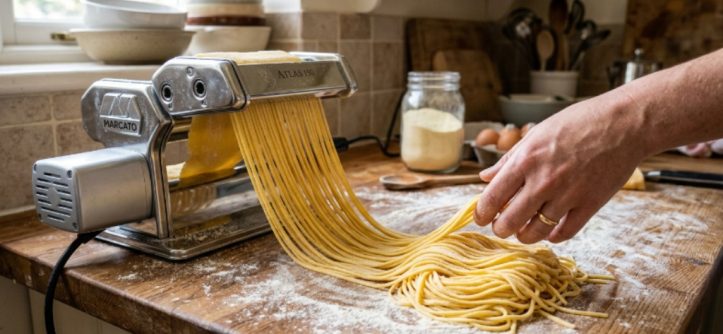
Homemade pasta is one of life’s simple pleasures. The texture is better, the flavor is fresher, and the process is deeply satisfying. However, making pasta by hand takes time and effort that most busy households simply do not have. That is where electric pasta machines come in.
An electric pasta machine automates the hard work. It mixes, kneads, and extrudes dough in a fraction of the time it would take manually. Sounds ideal, right? The reality, however, is more nuanced. Not every machine on the market delivers on its promises. Some are loud, slow, or difficult to clean. Others produce inconsistent results that leave you wondering why you bothered.
This article cuts through the marketing noise. It gives you an honest look at what electric pasta machines actually do well, where they fall short, and what to focus on before handing over your money.
What an Electric Pasta Machine Actually Does
Before diving into specifics, it helps to understand exactly what these machines do. Most electric pasta machines handle three tasks: mixing the ingredients, kneading the dough, and extruding it through shaped dies.
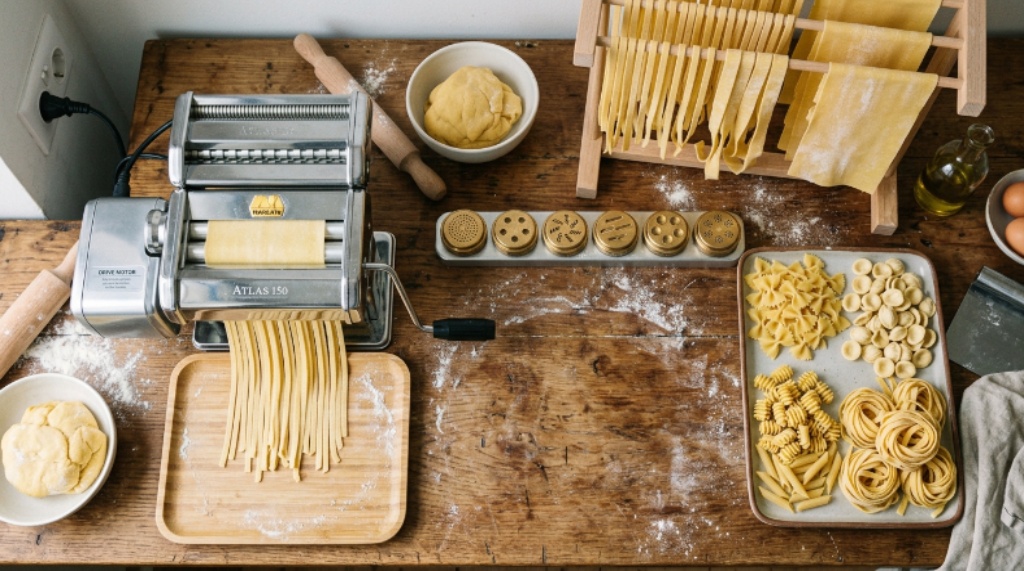
You add flour and eggs, or flour and water, through a hatch at the top. The machine does the mixing and kneading automatically. Then, it pushes the dough through a die — a disc with holes of a specific shape — to produce spaghetti, penne, rigatoni, or other pasta types.
Some machines also roll and cut flat pasta like fettuccine and lasagne sheets. These are sometimes called pasta rollers or hybrid machines. Therefore, it is worth knowing exactly which style of pasta you want to make before choosing a machine.
The Real Benefits of Going Electric
The most obvious benefit is time. A quality electric machine can go from raw ingredients to ready-to-cook pasta in under ten minutes. For a manual machine, the kneading alone can take fifteen to twenty minutes of physical effort.
Additionally, consistency is a major advantage. A machine kneads with the same pressure and rhythm every time. This produces a more uniform dough than most people can achieve by hand. Uniform dough means pasta that cooks evenly, which matters more than most home cooks realize.
Electric machines are also genuinely beginner-friendly. You do not need to know how pasta dough should feel or how long to knead it. The machine handles those decisions for you. This lowers the barrier to entry significantly and makes homemade pasta accessible to nearly anyone.
Where Electric Pasta Machines Fall Short
No product is perfect, and pasta machines are no exception. Understanding the downsides helps you set realistic expectations and avoid buyer’s remorse.
Cleaning is the biggest complaint across kitchen gadget reviews of electric pasta machines. Pasta dough is sticky and gets into every crevice of the machine. Most machines cannot be submerged in water. Therefore, cleaning requires careful use of brushes, toothpicks, and patience. If you skip this step, dried dough builds up and affects future batches.
Noise is another common issue. Some machines run at a significant volume, especially during the kneading phase. This may not bother everyone, but it is worth knowing if you live in a flat or have young children sleeping nearby.
Additionally, many machines struggle with certain dough types. Whole wheat doughs are denser and harder to extrude. Gluten-free flours behave differently and can clog the dies. Not every machine handles these variations well. Always check whether the machine you are considering can manage the specific pasta types you want to make.
Key Features to Evaluate in Any Pasta Maker Comparison
When doing a pasta maker comparison, it is easy to get distracted by brand names or price tags. However, a few specific features matter far more than marketing language.
Motor Power and Speed Settings
Motor power determines how well a machine handles thick or dense doughs. A motor rated at 150 watts or less may struggle with whole grain or protein-enriched flours. Look for machines with at least 200 watts for reliable performance. Speed settings are also useful. A slower speed gives you more control over thinner pasta shapes, while a faster speed works well for thick extruded varieties.
Number and Quality of Dies
The dies determine which pasta shapes you can make. Budget machines often come with only a handful of dies. More expensive models can include ten or more. However, the quality of the dies matters as much as the quantity. Bronze dies create a slightly rougher surface on the pasta, which helps sauces cling better. Teflon dies are smoother and easier to clean. Consider which suits your cooking style.
Capacity
How much pasta can the machine produce in one batch? Most home machines handle between 100 and 500 grams of flour per session. If you regularly cook for a large family or like to batch-cook pasta for the week, capacity becomes an important consideration. Smaller machines may require multiple runs, which adds time and effort.
Build Quality and Materials
A machine built from durable materials will outlast one made from cheap plastic. Look for metal housing, stainless steel dies, and sturdy latches. Read customer reviews specifically for comments about durability after six months or a year of use. Short-term reviews can miss problems that only emerge with regular use over time.
What Price Range Should You Expect?
Electric pasta machines span a wide price range. Entry-level models start around $60 to $90. These are suitable for occasional use and simple pasta shapes. They often lack power and come with limited die options. Additionally, build quality at this price point can be hit or miss.
Mid-range machines fall between $100 and $200. This is where most buyers find the best balance of performance and value. Machines in this range typically offer more dies, better motors, and more durable construction. For most home cooks, this is the sweet spot.
High-end models can cost $250 or more. These machines are built for frequent use, offer the widest range of pasta shapes, and often come with superior motor performance. They are worth considering if pasta-making is a regular part of your cooking routine.
The Most Common Mistakes Buyers Make
Several recurring patterns appear in kitchen gadget reviews for pasta machines. Knowing these mistakes in advance can save you money and frustration.
Buying based on looks alone is a frequent error. Some machines look sleek and modern but underperform when put to the test. Always prioritize function over aesthetics.
Ignoring the die material is another common oversight. Many buyers focus on how many shapes a machine includes and overlook whether those shapes are bronze or Teflon. This single detail significantly affects the final texture of your pasta.
Underestimating cleaning time is also worth mentioning. If you are not prepared to spend five to ten minutes cleaning the machine after each use, you may find it sitting unused in a cupboard before long. Therefore, honest self-assessment about your cleaning habits is part of making the right choice.
Finally, many buyers purchase a machine without considering storage. Electric pasta machines are bulkier than manual models. Make sure you have adequate counter or cupboard space before buying.
Tips for Getting the Best Results From Your Machine
Once you have chosen a machine, a few habits will help you get consistently great results.
- Always measure your flour and liquid carefully. Pasta dough ratios are more precise than many people realize.
- Let the dough rest inside the machine for two to three minutes before extruding. This allows the gluten to relax and produces smoother pasta.
- Dust extruded pasta lightly with semolina flour immediately. This prevents the strands from sticking together.
- Clean the machine promptly after each use. Do not let dough dry inside the barrel or dies.
- Experiment with different flour types once you are comfortable with basic recipes. Semolina, durum wheat, and spelt all produce interesting results.
Conclusion
Electric pasta machines are genuinely useful tools for home cooks who want to enjoy fresh pasta without spending hours in the kitchen. They save time, produce consistent results, and open up a world of pasta shapes that would be difficult to achieve by hand.
However, not every machine lives up to the promises made on its packaging. Motor power, die quality, cleaning ease, and build durability all vary significantly between models. A thoughtful pasta maker comparison goes beyond price and brand recognition. It focuses on the features that actually affect your everyday cooking experience.
Set a realistic budget, know which pasta shapes you want to make, and read long-term customer reviews before committing. With the right preparation, you can find a machine that earns a permanent spot in your kitchen rather than gathering dust in a drawer.
Frequently Asked Questions
Are electric pasta machines worth the money?
For people who make pasta regularly, yes. They save significant time and produce consistent results. However, if you only make pasta a few times a year, a manual machine or even handmade dough may be a more practical choice.
How long does it take to make pasta with an electric machine?
Most machines produce fresh pasta in eight to twelve minutes from start to finish. This includes mixing, kneading, and extruding. Cleanup adds another five to ten minutes.
Can electric pasta machines handle gluten-free dough?
Some can, but not all. Gluten-free flours behave differently and can be more crumbly, which puts strain on the motor and dies. Always check the manufacturer’s guidance and user reviews for gluten-free performance before purchasing.
What is the difference between extruder and roller pasta machines?
Extruder machines push dough through shaped dies to create tubes and strands like penne and spaghetti. Roller machines press dough into thin sheets for flat pasta like fettuccine and lasagne. Some hybrid models do both.
How do I clean an electric pasta machine properly?
Use a dry or slightly damp brush to remove dough from the barrel and dies. Never submerge the machine in water. For stubborn dried dough, a toothpick or skewer helps clear blocked holes in the dies. Always clean immediately after use for the easiest results.




Leave a Reply