

Every day, millions of people hop on their bikes for commutes, errands, or quick rides around town. A sudden slip or unexpected obstacle can turn a routine trip into a dangerous moment. That’s why riders need reliable head protection.
A durable bike helmet absorbs impacts effectively and holds up to regular wear. For instance, options like the Batfox bike helmet combine strong construction with everyday comfort.
Research backs this up strongly. The CDC reports that bicycle helmets reduce head injury risk by 48% and serious head injury by 60% in crashes. Another meta-analysis from NHTSA shows they cut traumatic brain injury risk by 53%. These numbers highlight why choosing the right helmet matters for daily riders.
This guide walks you through every step to pick a helmet that protects you ride after ride.
Why Durability Matters for Daily Riders
Daily cyclists face unique challenges. You wear your helmet frequently, expose it to sweat, sun, and occasional bumps against walls or bike racks. A flimsy model cracks or degrades quickly.
However, a durable helmet maintains its protective ability longer. It resists scratches, retains shape, and handles minor daily knocks without compromising safety.
Additionally, durability ties directly to safety. Helmets lose effectiveness over time from UV exposure and material fatigue. Strong construction extends safe use and provides better value.
For commuters who ride in varying weather, durability also means resistance to rain or heat damage. You want a helmet that stays reliable season after season.
Essential Safety Certifications to Check
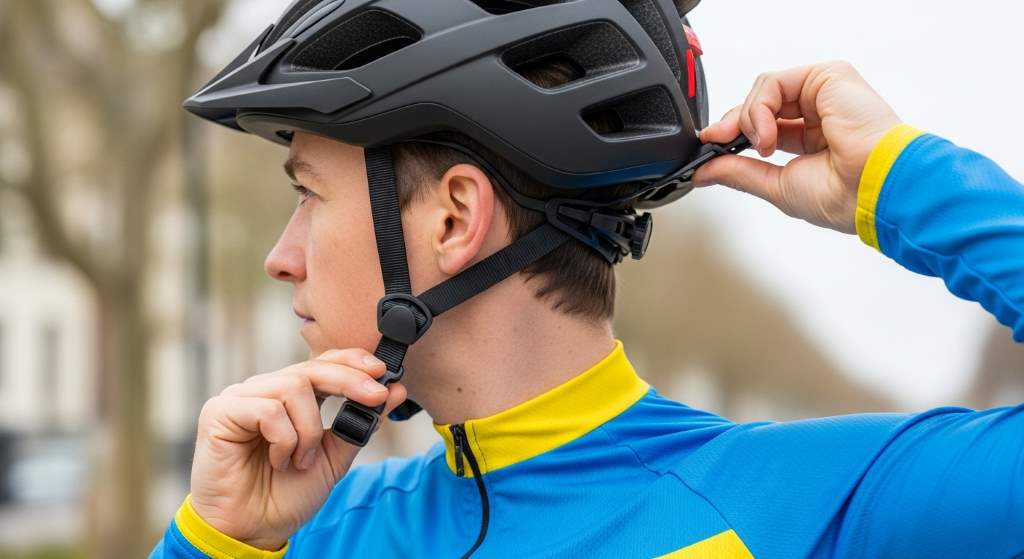
Always start with certifications. These independent tests ensure the helmet meets minimum impact standards.
In the US, look for CPSC certification. This federal standard tests for impact absorption and strap strength. Most helmets sold here carry it.
Europe uses EN 1078, a similar rigorous standard. Many global brands meet both.
However, top performers go further. Virginia Tech’s independent lab tests helmets for concussion risk. In 2025, they updated criteria, making 5-star ratings harder to earn. Only the best achieve them now.
Moreover, some helmets earn NTA 8776 certification for higher-speed e-bike impacts. This matters if you ride faster commutes.
Check stickers inside the helmet. Skip models without clear certifications.
Understanding Helmet Materials and Construction
Modern helmets use specific materials for protection and longevity.
Most feature expanded polystyrene (EPS) foam liners. This crushes on impact to absorb energy. However, EPS works for one major crash only.
The outer shell matters greatly. In-mold construction fuses polycarbonate shell to foam during manufacturing. This creates lightweight, strong helmets common today.
Alternatively, hard-shell designs use thicker ABS plastic glued over foam. These resist daily scratches better and suit rough urban use.
Carbon fiber reinforcements appear in premium models. They add strength without much weight.
For daily durability, choose thicker shells and reinforced vents. Avoid very thin budget shells that dent easily.
Rotational Impact Protection: Why It Matters
Straight-line impacts are not the only threat. Many crashes involve angled forces that twist the brain.
Traditional helmets handle linear impacts well. However, rotational forces cause many concussions.
MIPS (Multi-directional Impact Protection System) adds a low-friction layer inside. This allows 10-15mm of movement, reducing brain strain.
Similar systems include SPIN (POC), WaveCel (Trek), and Fluid Inside. All aim to manage rotation.
Studies show these technologies reduce rotational forces significantly. For daily riders facing unpredictable falls, this extra layer provides crucial protection.
Look for helmets with proven rotational systems, especially from Virginia Tech high-rated models.
Getting the Perfect Fit Every Time
Fit determines everything. A loose helmet shifts in crashes. A tight one causes headaches on long rides.
Measure your head circumference first. Use a soft tape above eyebrows and ears. Most brands provide size charts.
Try helmets in person when possible. The helmet should sit level and low on your forehead. It covers about two fingers’ width above eyebrows.
Adjust the retention system next. Most use dial systems at the back. Tighten until snug but comfortable.
Check straps. V-straps should meet just below ears. Buckle under chin with room for one finger.
Moreover, shake your head. The helmet should stay put without pressure points.
Daily riders benefit from multiple pad thicknesses. Many helmets include extra pads for fine-tuning.
Ventilation and Comfort for Long Rides
Daily commuting often means hours in the saddle. Good airflow prevents overheating.
Look for generous vents. Road-style helmets offer many front openings channeling air inside.
However, urban helmets balance ventilation with coverage. Some add rear exhaust vents for better flow.
Internal channeling moves air over your head. Feel for raised channels inside.
Comfort padding uses moisture-wicking materials. These keep sweat from eyes on hot days.
Additionally, lightweight designs reduce neck strain. Aim for under 300 grams for extended wear.
Test ventilation on a short ride if possible. You feel the difference quickly.
Related:
Philadelphia Best E‑bikes Reviewed: The Ultimate Guide to Urban Cruising in 2025
What is the Difference Between Men’s And Women’s Bike Seats: Find the Perfect Fit!
Weight and Balance Considerations
Heavier helmets tire your neck on daily rides. Lighter models improve comfort.
Premium helmets use advanced foams and minimal materials. Many top-rated Virginia Tech models weigh little while protecting well.
However, ultra-light often costs more. Find balance for your budget and ride length.
Balance matters too. Poorly distributed weight pulls forward or back.
Try tilting your head. Good helmets feel neutral in all positions.
For commuters, slightly heavier durable shells often prove worthwhile for longevity.
Useful Features for Everyday Cycling
Modern helmets add practical extras for daily use.
Integrated visors shield from sun and rain. Some clip on and off.
Light mounts help with visibility. Many include rear clips for clip-on lights.
Reflective details boost low-light safety. Look for logos or strips.
Magnetic buckles speed on and off. These prove handy with gloves.
Ponytail ports accommodate longer hair comfortably.
Anti-microbial padding fights odor from daily sweat.
Choose features that match your routine. Urban riders often prioritize lights and visors.
Testing Durability in Real Life
Durability shows over time. However, you can assess clues upfront.
Examine shell thickness. Press gently on vents and edges. Quality models resist flexing.
Check glue lines on hard-shell types. Clean bonds last longer.
Read user reviews for long-term experiences. Commuters often share daily wear insights.
Virginia Tech tests include multiple impacts. Higher-rated helmets handle repeated stress better.
Moreover, reputable brands back materials with better warranties against defects.
Proper Maintenance to Maximize Lifespan
Care extends your helmet’s safe life.
Store away from direct sun. UV rays degrade materials over years.
Clean with mild soap and water. Avoid harsh chemicals that damage foam.
Dry completely before storage. Moisture encourages breakdown.
Inspect regularly for cracks or dents. Replace immediately if damaged.
Use soft bags for transport. This prevents scratches.
Follow manufacturer guidelines. Most recommend replacement every 3-5 years even without crashes.
When to Replace Your Helmet
No helmet lasts forever. Plan replacement proactively.
Replace immediately after any crash. Foam compresses permanently.
Check manufacture date inside. Most experts suggest 3-5 years maximum from first use.
Look for signs of wear. Cracked straps, faded shells, or loose fit signal time for new.
Sweat and sun accelerate aging in daily use. Err on earlier replacement.
Investing in a new durable model every few years ensures peak protection.
Conclusion
Choosing a durable bike helmet for daily use combines safety, comfort, and practicality. Prioritize certifications, strong materials, proper fit, and modern protection like MIPS.
Test options thoroughly. Read independent ratings. Maintain your choice well.
Your head deserves the best protection every ride. Start measuring today and find a helmet that fits your life perfectly. Ride safe and enjoy the journey.
FAQs
What makes a bike helmet truly durable?
Strong shell materials, quality construction, and resistance to daily wear define durability. Thick polycarbonate or ABS shells handle scratches and minor impacts better. Good bonding and reinforced areas add longevity.
How often should daily riders replace helmets?
Replace every 3-5 years, even without crashes. Manufacturers and experts agree materials degrade from UV, sweat, and age. Always replace after any impact.
Is MIPS technology worth it for commuting?
Yes, absolutely. Rotational forces cause many brain injuries in angled falls common in urban crashes. MIPS and similar systems reduce these risks significantly.
How do I know if a helmet fits correctly?
It sits level, low on forehead, and snug without pressure points. Straps form a V under ears. You can fit one finger under chin strap. No movement occurs when shaking head.
Are expensive helmets always more durable?
Not always, but premium models often use better materials and construction. They earn higher independent safety ratings. Balance cost with features and reviews for your needs.
References
- Centers for Disease Control and Prevention (CDC): Bicycle Safety – https://www.cdc.gov/pedestrian-bike-safety/about/bicycle-safety.html
- Virginia Tech Helmet Lab: Bicycle Helmet Ratings – https://www.helmet.beam.vt.edu/bicycle-helmet-ratings.html
- National Highway Traffic Safety Administration (NHTSA): Countermeasures That Work – https://www.nhtsa.gov/book/countermeasures-that-work/bicycle-safety/understanding-problem
- Bicycle Helmet Safety Institute: When to Replace – https://helmets.org/replace.htm




Leave a Reply