
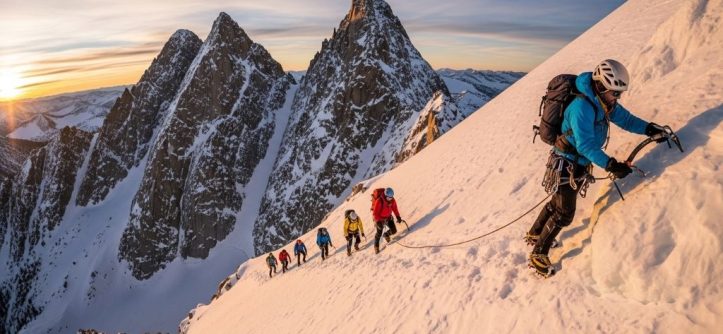
California offers some of the most breathtaking mountaineering opportunities in the United States. From the rugged Sierra Nevada peaks to the volcanic summits of the Cascades, planning a multi-day expedition requires careful preparation and knowledge. This comprehensive guide will help you organize an unforgettable adventure while staying safe in the backcountry.
Choosing Your Destination
California’s diverse mountain ranges provide options for every skill level. The Sierra Nevada mountains are home to iconic peaks like Mount Whitney, the tallest summit in the contiguous United States. Additionally, the Cascade Range features volcanic peaks such as Mount Shasta, which offers technical climbing routes and glacier travel.
Consider your experience level when selecting a destination. Beginners should start with less technical peaks that don’t require specialized equipment. Meanwhile, experienced mountaineers can tackle challenging routes with steep snow slopes and exposed rock scrambles. Research each area thoroughly to understand the terrain, elevation gain, and necessary skills.
Popular destinations include the Palisades region, which features fourteen peaks over 14,000 feet. The Whitney Zone attracts thousands of climbers annually. However, remote areas like the Evolution Basin offer solitude for those willing to hike farther from trailheads.
Understanding Permit Requirements
Most wilderness areas in California require permits for overnight trips. The permit system helps protect fragile alpine environments and ensures visitor safety. Therefore, you must plan ahead and secure permits well in advance, especially during peak summer months.
The National Park Service and U.S. Forest Service manage most mountaineering areas. Each agency has different application processes and quotas. For instance, Mount Whitney permits are allocated through a lottery system that opens in February for summer trips. Other areas use first-come, first-served reservations.
Apply for permits as early as possible. Popular trailheads fill up quickly, sometimes within minutes of becoming available. Additionally, familiarize yourself with wilderness regulations specific to your chosen area. Some zones prohibit campfires, require bear canisters, or limit group sizes.
Selecting the Right Season
Timing significantly impacts your mountaineering experience in California. The summer months from June through September typically offer the most stable weather and accessible routes. However, snow conditions vary dramatically depending on the winter’s snowpack.
Early season trips in May and June often require ice axes and crampons due to lingering snow. Conversely, late season expeditions in September and October face fewer crowds but potentially unstable weather. According to the National Weather Service, afternoon thunderstorms frequently develop in the Sierra Nevada during summer months, making early morning starts essential.
Research historical weather patterns for your destination. Mountain weather changes rapidly, so prepare for all conditions regardless of the forecast. Furthermore, consider altitude and its effects on temperature. Nights can drop below freezing even in midsummer above 10,000 feet.
Assembling Essential Gear
Proper equipment makes the difference between success and failure on multi-day mountaineering trips. Your gear list should address four main categories: climbing equipment, camping supplies, clothing, and safety items.
Climbing gear includes items like ice axes, crampons, helmets, and ropes depending on route difficulty. Research your specific route to determine technical requirements. Meanwhile, camping equipment must balance weight with comfort since you’ll carry everything on your back.
Invest in a quality four-season tent that withstands high winds. Choose a sleeping bag rated for temperatures at least 10 degrees lower than expected nighttime lows. Additionally, bring a reliable stove and sufficient fuel for cooking at high altitudes where water boils at lower temperatures.
Your clothing system should follow the layering principle. Base layers wick moisture away from skin. Insulating layers trap warmth. Outer shells protect against wind and precipitation. Therefore, pack options for varying conditions rather than single heavy items.
Planning Your Route and Itinerary
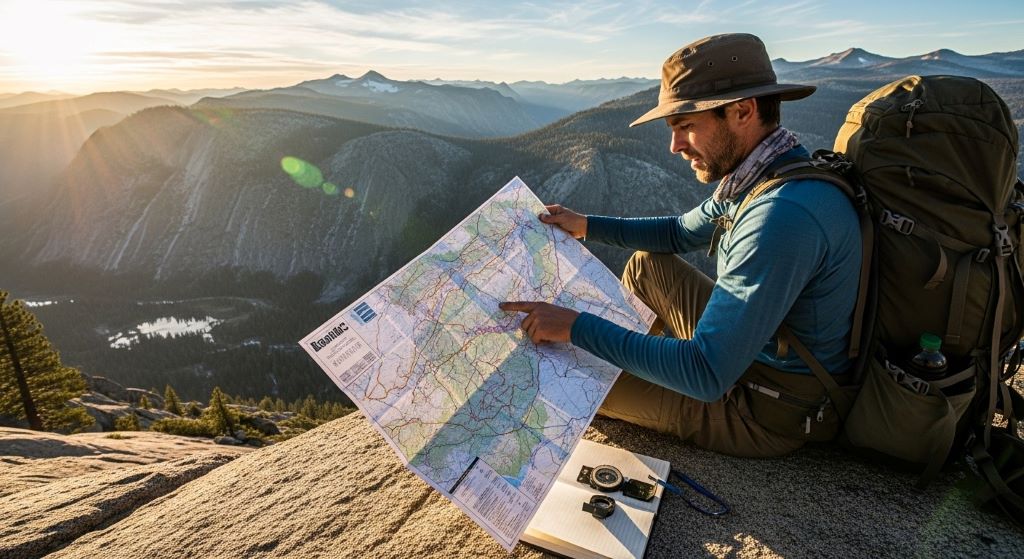
Detailed route planning prevents unpleasant surprises in the mountains. Start by obtaining topographic maps of your area. Study the terrain, water sources, and potential campsites. Mark your planned route with waypoints and calculate daily mileage and elevation gain.
Be realistic about your group’s abilities and pace. Most mountaineers cover 1 to 2 miles per hour when climbing with heavy packs. Consequently, factor in extra time for route finding, rest breaks, and unexpected delays. Plan shorter days initially to help your body acclimatize to altitude.
Identify bailout options along your route. Weather, injuries, or exhaustion may force you to exit early. Additionally, note the locations of the nearest roads or ranger stations. Share your detailed itinerary with a trusted contact who can alert authorities if you don’t return on schedule.
Preparing Physically and Mentally
Multi-day mountaineering demands excellent physical fitness and mental resilience. Begin training at least two months before your trip. Focus on cardiovascular endurance through hiking, running, or cycling. Include weighted pack training to simulate actual conditions.
Strength training helps prevent injuries and improves performance. Target your legs, core, and shoulders since these muscle groups bear the greatest loads. Furthermore, practice technical skills like self-arrest, crampon use, and rope work if your route requires them.
Mental preparation matters equally. Long days with heavy packs test your psychological stamina. Visualize challenging situations and develop coping strategies. Additionally, research common hazards like altitude sickness, hypothermia, and dehydration so you recognize early warning signs.
Managing Food and Water
Nutrition and hydration fuel your mountaineering success. Plan calorie-dense meals that provide sustained energy without excessive weight. Most climbers need 3,000 to 5,000 calories daily depending on exertion levels and body size.
Dehydrated meals save weight and pack space. However, supplement them with quick-energy snacks like nuts, dried fruit, and energy bars. Bring extra food beyond your planned needs in case delays extend your trip. According to experts at REI, proper meal planning prevents bonking and maintains morale during difficult days.
Water availability varies throughout California’s mountains. Research your route’s water sources and carry purification methods like filters or chemical tablets. Higher elevations may have limited water, requiring you to melt snow for drinking. Therefore, pack sufficient fuel for melting and purifying water throughout your trip.
Navigating Safely
Navigation skills prove critical when trails disappear above treeline. Carry physical maps and a compass as primary navigation tools. GPS devices and smartphone apps provide helpful backup but shouldn’t replace traditional methods since batteries fail in cold temperatures.
Learn to read topographic features and orient your map to the landscape. Practice taking bearings and triangulating your position before your trip. Additionally, mark your route with occasional backward glances to recognize landmarks from different perspectives during descent.
Weather conditions can reduce visibility dramatically. Whiteouts, fog, and darkness require confident navigation skills. Therefore, start route finding practice during day trips before attempting multi-day expeditions. Consider taking a wilderness navigation course if you lack experience.
Handling Emergencies
Preparation for emergencies keeps minor problems from becoming disasters. Carry a comprehensive first aid kit tailored to mountain hazards. Include supplies for treating blisters, cuts, sprains, altitude sickness, and hypothermia. Know how to use everything in your kit before leaving home.
Communication devices provide crucial safety backup in remote areas. Satellite messengers allow two-way texting even without cell service. Personal locator beacons send emergency distress signals to rescue authorities. However, these devices shouldn’t replace good judgment and self-rescue skills.
Create an emergency action plan before your trip. Identify potential hazards specific to your route and develop response protocols. Additionally, ensure everyone in your group understands basic wilderness first aid and emergency procedures. Practice scenarios like treating hypothermia or evacuating an injured climber.
Respecting Leave No Trace Principles
Protecting California’s fragile alpine ecosystems ensures future generations can enjoy these mountains. Follow Leave No Trace principles throughout your expedition. Pack out all trash including food scraps and toilet paper. Use established campsites whenever possible to minimize impact on vegetation.
Human waste disposal requires special attention above treeline. Dig catholes 6 to 8 inches deep and at least 200 feet from water sources. In heavily used areas or on snow, pack out solid waste in designated bags. Furthermore, avoid contaminating water sources by camping and cooking away from streams and lakes.
Minimize campfire impacts by using stoves for cooking. Many alpine areas prohibit fires due to scarce wood and fire danger. If fires are permitted, use existing fire rings and burn wood completely to ash. Additionally, respect wildlife by storing food properly and observing animals from a distance.
Conclusion
Planning a multi-day mountaineering trip in California rewards careful preparation with unforgettable experiences. Success requires selecting appropriate destinations, securing permits, assembling proper gear, and developing necessary skills. Physical fitness, detailed route planning, and emergency preparedness ensure safety in the backcountry. By respecting wilderness regulations and Leave No Trace principles, mountaineers preserve these spectacular landscapes for future adventurers. Start planning your California mountain expedition today and discover why these peaks inspire climbers from around the world.
Frequently Asked Questions
What is the best time of year for mountaineering in California?
The best time for California mountaineering is typically July through September when most snow has melted and weather is most stable. However, conditions vary by elevation and annual snowpack, so always research current conditions for your specific destination.
Do I need technical climbing skills for all California peaks?
No, many California peaks offer non-technical routes suitable for hikers with good fitness and basic mountaineering skills. However, some routes require rope work, glacier travel, and rock climbing experience. Research your chosen peak’s difficulty rating before committing.
How much does a wilderness permit cost in California?
Permit costs vary by location and managing agency. Many wilderness permits are free but require advance reservations. Popular areas like Mount Whitney charge $6 per person for lottery applications plus $15 per person if selected. National Park permits typically cost $5 to $15 per person.
What should I do if I experience altitude sickness?
Mild altitude sickness symptoms include headache, nausea, and fatigue. The best treatment is descending to lower elevation immediately. Rest, hydrate, and avoid further ascent until symptoms resolve. Severe symptoms like confusion or difficulty breathing require immediate descent and emergency medical attention.
Can I mountaineer alone in California’s wilderness areas?
While solo mountaineering is legal in most areas, it significantly increases risk. Solo climbers face greater danger from injuries, navigation errors, and emergencies without backup assistance. If you choose to go alone, inform someone of your detailed itinerary and carry emergency communication devices.
Related Topics:
The 7 most terrifying bridges in the world
Seven reasons to travel to Finland, the happiest country in the world


Leave a Reply