

A reef aquarium is more than just a fish tank—it’s a thriving micro-ecosystem, a piece of the ocean in your home. For beginners, the idea of building one can be exciting and intimidating. This step-by-step blueprint offers a clear, actionable path toward creating a sustainable, breathtaking reef tank from scratch. Whether you’re aiming for a nano reef or a full-sized marine display, this guide delivers the expert insights, logical breakdowns, and actionable steps to help you build your dream reef aquarium without costly trial and error.
Why Choose a Reef Aquarium?
Reef aquariums offer vibrant coral, diverse marine life, and endless learning. According to the American Pet Products Association (APPA), over 2.5 million U.S. households own saltwater aquariums—and interest continues to grow.
Unlike freshwater tanks, reef aquariums mimic complex coral reef ecosystems. They require more attention, but the rewards are massive. The visual appeal, mental health benefits, and educational opportunities are unmatched.
Marine biologist Dr. Brian Zimmerman highlights that reef tanks can improve focus and reduce stress, citing studies from National Marine Aquarium UK. These systems provide therapeutic benefits similar to forest bathing or nature therapy. However, reef aquariums need the right equipment, water chemistry, and planning—especially for beginners.
Step 1: Planning Your Reef Tank
Starting with a plan will save you money and time. Consider these questions:
- What tank size fits your space and budget?
- Do you want fish only, or corals too?
- How much time can you dedicate to maintenance?
For beginners, a tank between 40 to 75 gallons offers stability and enough space for a variety of livestock. Smaller tanks (like 10–20 gallons) fluctuate more in temperature and salinity, making them harder to manage. Yet, nano reefs are gaining popularity for their aesthetic and compact appeal—just expect a steeper learning curve.
Step 2: Selecting the Right Equipment
A reef tank’s success hinges on quality gear. Here’s what every beginner must invest in:
- Tank and stand: Choose rimless or braced glass tanks depending on your aesthetic and budget.
- Lighting: Corals need full-spectrum LED lighting. Brands like AI Prime and Kessil dominate the reef scene for beginners.
- Filtration: Use a protein skimmer and a sump system for effective nutrient control.
- Heater and thermometer: Maintain stable temperatures (76–78°F).
- Powerheads: Ensure proper water flow, which is vital for coral health.
- RO/DI water system: Avoid tap water; use Reverse Osmosis/Deionized water to eliminate contaminants.
Many new aquarists underestimate the importance of a reliable auto top-off (ATO) system, which keeps salinity stable—critical for coral survival.
Step 3: Setting Up and Cycling the Aquarium
Before adding any life, the tank must cycle—a process that establishes beneficial bacteria to manage ammonia and nitrites.
Cycle Process:
- Add live rock and sand (or dry alternatives with bottled bacteria).
- Introduce an ammonia source (fishless cycling is safer and ethical).
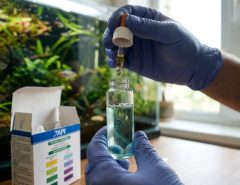
- Test parameters regularly using reliable kits like Salifert or Hanna.
- Wait 4–6 weeks until ammonia and nitrites hit zero and nitrates appear.
Rushing this step causes crashes. Patience here pays off long-term.
Expert Tip: Use bottled bacteria like Dr. Tim’s One & Only to jumpstart the cycle faster.
Step 4: Choosing Beginner-Friendly Livestock
Start slow. Stock your tank with hardy, reef-safe species first.
Fish Recommendations:
- Clownfish
- Royal Gramma
- Firefish
- Banggai Cardinalfish
Corals for Beginners:
- Zoanthids
- Mushrooms
- Green Star Polyps
- Xenia
Avoid SPS (Small Polyp Stony) corals early on. They demand pristine conditions and advanced lighting and flow.
Pro Tip: Introduce clean-up crew (snails, hermits, shrimp) after the cycle to control algae and detritus.

Step 5: Mastering Water Chemistry and Maintenance
A healthy reef aquarium depends on stable water parameters. Monitor these regularly:
- Salinity: 1.025 specific gravity
- Temperature: 76–78°F
- Alkalinity: 8–12 dKH
- Calcium: 400–450 ppm
- Magnesium: 1250–1350 ppm
- Nitrates: <10 ppm
- Phosphates: <0.03 ppm
Use test kits weekly. Consider automating testing with devices like the Neptune Trident as your tank matures.
Maintenance Checklist:
- Weekly: 10–15% water changes
- Clean skimmer and filter socks
- Check and calibrate salinity
- Inspect coral growth and fish health
Step 6: Avoiding Common Mistakes
New reefers often fall for a few traps:
- Overstocking too quickly
- Skipping quarantine for new fish
- Using untreated tap water
- Overfeeding and causing nutrient spikes
- Buying unsuitable or aggressive tank mates
Research each species before buying. Forums like Reef2Reef offer peer-reviewed advice from experienced aquarists.
Step 7: Long-Term Growth and Enjoyment
Once your reef stabilizes, you’ll start seeing coral growth, spawning behavior, and ecosystem balance. Consider joining a local reef club or participating in coral swaps.
Document your progress through photos or videos. It not only helps track coral health but motivates you through the ups and downs.
Investment Insight: Reef tanks are an evolving passion. Average start-up costs range from $500 to $3000, depending on tank size and tech. Long-term, the satisfaction outweighs the expenses if approached wisely.
Featured Snippet: What’s the Best Reef Aquarium Setup for Beginners?
Q: What’s the easiest reef aquarium setup for first-time reefers?
A: The best setup for beginners is a 40–75 gallon reef-ready tank with live rock, sand, LED lighting, and a protein skimmer. This size balances stability and affordability. Start with hardy fish like clownfish and soft corals such as Zoanthids. Use RO/DI water and test kits to maintain salinity and nutrient levels. Avoid overstocking early. A sump system simplifies filtration and keeps your display clean. Stick to a slow-and-steady stocking method, and you’ll avoid 90% of beginner mistakes. Using bottled bacteria can reduce cycling time by weeks.
Expert Tip: Automate your lighting and top-off systems early to prevent human error and build long-term success.
FAQs
- How long does it take to cycle a reef aquarium?
Typically 4–6 weeks, depending on the ammonia source and bacteria used. - Is a reef tank expensive to maintain?
Monthly costs vary, but expect $30–$100 depending on tank size and complexity. - Can I use tap water in my reef tank?
No. Tap water contains chlorine and metals. Always use RO/DI water. - What is the easiest coral for beginners?
Mushroom corals and Zoanthids are resilient and adapt well to new tanks. - How many fish can I add to a 50-gallon reef tank?
Start with 3–5 small fish, increase slowly while monitoring nutrient levels. - Do I need a protein skimmer?
Yes. It reduces organic waste and keeps water quality high—essential for coral health. - How often should I feed my reef tank?
Feed small amounts once or twice daily. Overfeeding leads to algae and nitrate buildup.
Final Thought
Building your dream reef aquarium is a rewarding journey that starts with knowledge and ends with a slice of oceanic beauty in your home. The process is scientific, yet artistic—requiring attention to detail, patience, and passion. By following this beginner’s blueprint, you sidestep common pitfalls, make informed choices, and grow confidently into the reefing world. Remember, it’s not about rushing to fill your tank—it’s about creating a thriving ecosystem one coral and fish at a time.
Start slow, stay consistent, and the reef will reward you.
Read More:
Aquarium Quarantine Procedures: Protecting Your Aquatic Haven
Stunning Fish Decorations for Tank: Tips, Ideas, and Trends for an Eye-catching Aquarium



Leave a Reply