
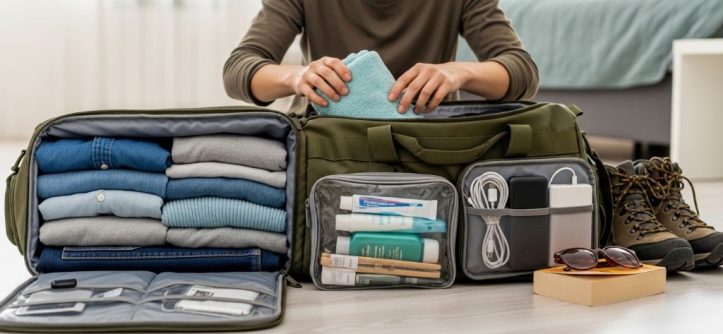
Planning a weekend getaway or a quick business trip? Selecting the right bag can make all the difference between a smooth journey and a stressful experience. Many travelers overlook the importance of choosing appropriate luggage, especially when they’re trying to keep costs down. However, finding affordable options doesn’t mean sacrificing quality or functionality.
A good travel bag serves as your reliable companion throughout your adventures. It keeps your belongings organized, protects your essentials, and makes navigating airports or train stations much easier. Therefore, understanding what to look for becomes essential before making your purchase.
Understanding Your Travel Needs
Before diving into specific features, take a moment to consider your typical travel patterns. Do you usually pack light, or do you prefer having extra clothing options? Are you traveling for business meetings or casual beach vacations? These questions help narrow down your choices significantly.
Short trips typically last anywhere from two to five days. For such durations, you need enough space for essentials without carrying excessive weight. Additionally, consider whether you’ll need to fit your bag in overhead compartments or under airplane seats. These practical considerations shape your final decision.
Size Matters More Than You Think
Choosing the right size prevents both overpacking and running out of space. For weekend trips, bags ranging from 40 to 60 liters usually provide adequate room. This capacity accommodates several outfits, toiletries, and small electronics without becoming unwieldy.
Furthermore, airlines have specific size restrictions for carry-on luggage. Most carriers allow bags measuring approximately 22 x 14 x 9 inches. Checking these dimensions before purchasing saves you from unexpected check-in fees at the airport. Your wallet will thank you later.
Smaller travelers should also consider how the bag’s size relates to their body frame. A bag that’s too large becomes difficult to carry comfortably, regardless of how little you pack inside. Conversely, tall individuals might find compact bags cramped and restrictive.
Material Quality Without Breaking the Bank
Material selection significantly impacts durability and performance. Common options include polyester, nylon, and canvas. Each material offers distinct advantages depending on your priorities and budget constraints.
Polyester provides excellent water resistance at an affordable price point. It cleans easily and maintains its appearance over time. Meanwhile, nylon offers superior strength and abrasion resistance, though it typically costs slightly more. Canvas presents a classic aesthetic but may require additional waterproofing treatment.
Look for denier ratings when examining fabric strength. Higher denier numbers indicate thicker, more durable materials. For budget-conscious travelers, 600D polyester strikes a good balance between affordability and longevity. This specification ensures your bag withstands regular use without falling apart after a few trips.
Weight Considerations for Easy Travel
Nobody wants to start their trip exhausted from lugging around heavy luggage. Empty bag weight matters tremendously, especially when airlines impose strict weight limits. A lightweight duffel bag typically weighs between one and three pounds when empty, leaving more allowance for your actual belongings.
Modern manufacturing techniques allow companies to produce sturdy bags without excessive weight. Look for designs that eliminate unnecessary hardware and use streamlined construction methods. These innovations help reduce overall weight while maintaining structural integrity.
Remember that every ounce counts when you’re navigating crowded terminals or running for connecting flights. Therefore, prioritizing lighter options makes your journey considerably more pleasant. Your shoulders and back will appreciate this consideration after hours of travel.
Storage Compartments and Organization
Effective organization transforms chaotic packing into a streamlined process. Multiple compartments help separate clean clothes from dirty ones, shoes from garments, and electronics from toiletries. This segregation prevents damage and makes finding items much easier.
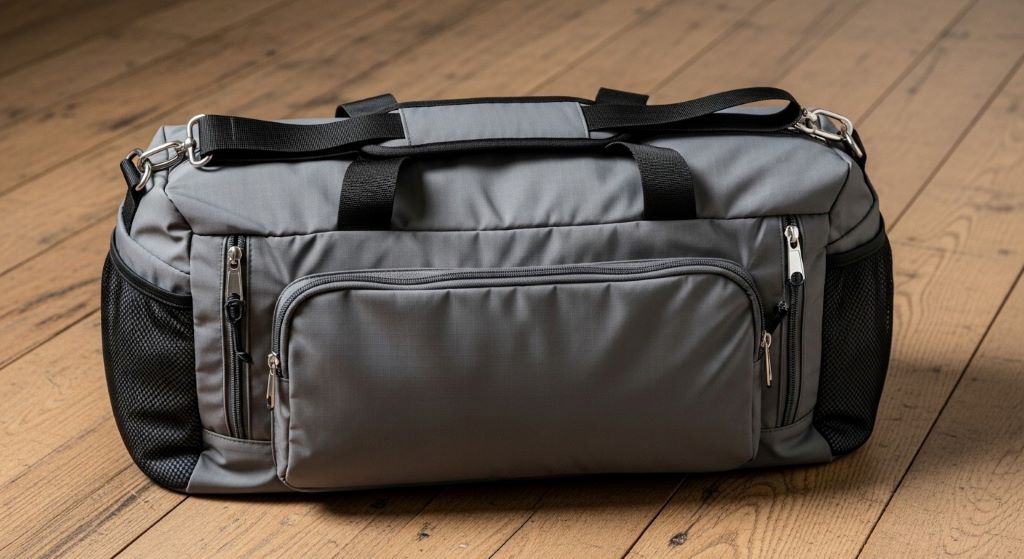
Some affordable bags include mesh pockets, zippered sections, and external compartments. These features might seem minor but prove invaluable during actual travel. For instance, exterior pockets provide quick access to boarding passes, phones, or snacks without opening the main compartment.
Interior organization varies widely between models. Some bags offer removable dividers that let you customize the layout according to your needs. Others include compression straps that secure contents and prevent shifting during transport. Evaluate which features align with your packing style and travel frequency.
Carrying Comfort and Versatility
How you carry your bag directly affects travel comfort. Most duffel bags offer multiple carrying options, including shoulder straps, top handles, and sometimes backpack-style straps. Versatility allows you to switch positions when one area becomes tired or sore.
Padded shoulder straps distribute weight more evenly across your body. This padding reduces pressure points and prevents strap dig-in, especially during extended carrying periods. Additionally, adjustable straps accommodate different body types and carrying preferences.
Some models include removable straps, offering flexibility based on your immediate needs. You might prefer hand-carrying through security but switch to shoulder carrying while walking long terminal distances. This adaptability proves particularly valuable during complex travel itineraries involving multiple transportation modes.
Durability Features to Check
Even budget-friendly bags should demonstrate solid construction quality. Examine stitching carefully, looking for double-stitched seams and reinforced stress points. These areas typically include strap attachments, zipper ends, and bottom corners where wear concentrates.
Quality zippers make an enormous difference in bag longevity. YKK zippers have earned their reputation for reliability and smooth operation. While bags with premium zippers might cost slightly more initially, they often outlast cheaper alternatives, providing better long-term value.
Check the bag’s base construction as well. Reinforced bottoms protect contents from ground moisture and resist wear from rough surfaces. Some affordable options include plastic feet or rubberized panels that elevate the bag slightly, adding an extra layer of protection.
Water Resistance and Weather Protection
Weather unpredictability makes water resistance an important consideration. You don’t need fully waterproof materials for most travel situations, but water-resistant fabrics provide adequate protection against light rain and spills. This feature safeguards your belongings without significantly increasing costs.
Many manufacturers apply DWR coatings to their fabrics. These treatments cause water to bead up and roll off rather than soaking through. While not permanent, these coatings can be reapplied over time, extending your bag’s protective capabilities.
Additionally, examine how zippers are designed and positioned. Rain flaps or zipper guards prevent water from seeping through these vulnerable areas. Such thoughtful design elements demonstrate manufacturer attention to real-world usage scenarios.
Finding Cheap Travel Duffel Bag Options
Budget doesn’t necessarily mean low quality. Many reputable brands offer affordable lines that maintain decent standards while reducing unnecessary features. Shopping during sales events, comparing prices across retailers, and reading customer reviews help identify genuine bargains.
Online marketplaces often feature competitive pricing due to lower overhead costs. However, always verify seller ratings and return policies before purchasing. Sometimes spending slightly more from a trusted retailer provides better protection than chasing the absolute lowest price.
Consider previous year’s models as well. When companies release new designs, older versions often see significant price reductions despite minimal actual changes. These deals provide excellent value for savvy shoppers willing to sacrifice having the latest color schemes or minor feature updates.
Assessing Value Beyond Initial Cost
True value extends beyond the purchase price. Calculate cost per use by estimating how many trips you’ll take annually. A bag that lasts five years of regular use represents better value than one requiring replacement after six months, even if the initial investment seems higher.
Warranty coverage indicates manufacturer confidence in their product. Some companies offer lifetime warranties even on budget lines, covering defects in materials and workmanship. This protection provides peace of mind and demonstrates company commitment to customer satisfaction.
Versatility also factors into overall value. A bag suitable for both weekend getaways and gym visits serves multiple purposes, justifying its space in your closet. Multi-functional items reduce clutter while maximizing utility across different aspects of your life.
Common Mistakes to Avoid
Many shoppers focus solely on appearance, neglecting practical considerations. While aesthetics matter, functionality should take priority for travel gear. A beautiful bag that doesn’t meet your actual needs quickly becomes a frustrating purchase.
Another common error involves buying too large, thinking more space always equals better. Overly spacious bags encourage overpacking, potentially exceeding weight limits and causing unnecessary carrying strain. Right-sizing your purchase promotes efficient packing habits and easier travel.
Ignoring user reviews represents a missed opportunity for valuable insights. Real customer experiences reveal issues that product descriptions omit, such as zipper failures, strap problems, or misleading size information. Spending time reading reviews prevents many disappointing purchases.
Testing Before Your Trip
Once you’ve selected your bag, test it thoroughly before actual travel. Pack it completely, then carry it around your home or neighborhood. This trial run reveals comfort issues, organizational challenges, or capacity miscalculations while you still have time to make returns or exchanges.
Check all zippers, straps, and closures under realistic weight conditions. Sometimes manufacturing defects only become apparent during actual use. Identifying problems early, preferably within the return window, saves considerable frustration later.
Practice packing and unpacking several times to develop your system. Learning your bag’s quirks at home beats discovering them while rushing through airport security. This preparation makes actual travel days much smoother and less stressful.
Maintenance for Longevity
Proper care extends any bag’s lifespan significantly. Clean your bag regularly according to manufacturer instructions, typically involving gentle soap and water. Removing dirt and stains prevents material degradation and keeps zippers functioning smoothly.
Store your bag properly between trips. Avoid compressing it in tight spaces, which can damage structure and create permanent creases. Instead, keep it in a cool, dry location with adequate ventilation. Stuffing it lightly with tissue paper helps maintain shape during storage.
Address minor repairs promptly before they worsen. A small seam tear caught early takes minutes to fix, while ignoring it may eventually require professional repair or complete replacement. Regular inspections after each trip help catch these issues quickly.
Making Your Final Decision
Armed with this knowledge, you’re ready to make an informed choice. Create a prioritized list of must-have features versus nice-to-have extras. This clarity helps when comparing options and prevents getting overwhelmed by countless choices.
Set a realistic budget that balances affordability with quality expectations. Remember that the cheapest option rarely provides the best value. However, premium prices don’t always guarantee proportionally better performance either. Finding the sweet spot requires research and comparison.
Finally, trust your instincts after doing proper research. If a bag meets your criteria, fits your budget, and feels right when you handle it, you’ve likely found your match. Second-guessing endlessly delays your purchase without necessarily improving the outcome.
Conclusion
Choosing the right bag for short trips involves balancing multiple factors including size, weight, durability, and cost. By understanding your specific needs and carefully evaluating available options, you can find excellent value without overspending. Remember that the best bag combines practical functionality with comfort and reliability.
Focus on essential features rather than unnecessary bells and whistles. A well-chosen, affordable bag serves you faithfully through countless adventures, making every trip more enjoyable. With proper care and maintenance, even budget-friendly options provide years of reliable service.
Start your search with clear priorities, read reviews thoroughly, and don’t rush the decision. Your perfect travel companion awaits, ready to accompany you on exciting journeys ahead. Happy travels and smart packing.
Frequently Asked Questions
What size duffel bag works best for a three-day trip?
For three-day trips, a 40 to 50-liter bag typically provides adequate space. This capacity accommodates multiple outfits, toiletries, and small electronics without becoming too bulky. Always check airline carry-on restrictions before purchasing to ensure your bag qualifies for overhead storage.
How much should I expect to spend on a quality budget duffel bag?
Quality budget options typically range from $30 to $70. This price range offers good construction, decent materials, and reliable zippers without premium brand markups. Sales and off-season shopping can yield even better deals on reputable models.
Are lightweight bags less durable than heavier ones?
Not necessarily. Modern materials and construction techniques produce bags that are both light and durable. Focus on material quality, stitching reinforcement, and zipper reliability rather than weight alone. Many lightweight duffel bag options outlast heavier counterparts through superior design and materials.
Can I use a duffel bag as my only luggage for air travel?
Yes, provided it meets airline carry-on size requirements. Many travelers successfully use duffels as their sole bag for trips lasting up to a week. Choose one with good organization features and compression capabilities to maximize packing efficiency.
How do I know if a bag offers good value for money?
Assess value by examining material quality, construction details, warranty coverage, and user reviews. Calculate potential cost per use based on your travel frequency. A cheap travel duffel bag offering solid features and multi-year durability provides better value than expensive options with unnecessary extras.
Related Topics:
Ensure You’re Holiday Ready With A Caribbean Glow From Bristol
Tips for first time canal boat trippers


Leave a Reply