
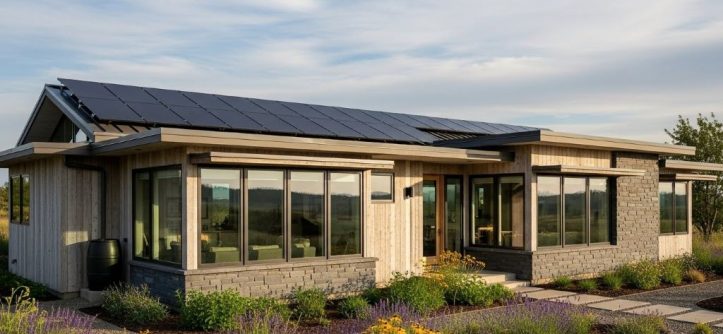
The real estate industry is changing rapidly. More investors now recognize that sustainable housing offers both environmental benefits and strong financial returns. Creating a solid business plan for sustainable housing investments requires careful planning, market research, and a clear understanding of green building principles. This comprehensive guide will help you develop a successful strategy for entering this growing market.
Understanding Sustainable Housing Investments
Sustainable housing refers to properties designed, built, and operated to minimize environmental impact. These homes use energy-efficient systems, renewable materials, and smart technologies. Additionally, they often incorporate water conservation features and improved indoor air quality measures.
The demand for sustainable housing continues to grow. According to the National Association of Realtors, more homebuyers actively seek properties with green features. Therefore, investors who understand this market can capitalize on emerging opportunities while contributing to environmental conservation.
Market Analysis and Research
Before developing your business plan, conduct thorough market research. Start by identifying your target demographic. Millennials and Generation Z buyers show particularly strong interest in sustainable living. However, older buyers also value energy efficiency and lower utility costs.
Research local market conditions carefully. Some regions offer better opportunities for sustainable housing investments than others. Look for areas with supportive zoning laws, green building incentives, and strong environmental awareness among residents.
Furthermore, analyze your competition. Study existing sustainable housing projects in your target market. Identify what works well and where gaps exist. This information will help you position your investments strategically.
Defining Your Investment Strategy
Your business plan needs a clear investment strategy. Decide whether you will focus on new construction, renovations, or both. Each approach offers distinct advantages and challenges.
New construction allows complete control over sustainability features. You can incorporate the latest green technologies from the ground up. However, this option typically requires more capital and longer timelines.
Renovation projects can be more cost-effective initially. They also help preserve existing structures, which aligns with sustainability principles. Nevertheless, older buildings may present unexpected challenges during upgrades.
Consider your target property types as well. Will you invest in single-family homes, multifamily units, or mixed-use developments? Each category appeals to different market segments and requires different management approaches.
Financial Planning and Budgeting
Sustainable housing investments require careful financial planning. Start by estimating your startup costs. These include property acquisition, green certifications, sustainable materials, and energy-efficient systems. Additionally, budget for professional fees such as architects, engineers, and sustainability consultants.
Create detailed projections for ongoing expenses. Sustainable properties often have lower operating costs due to energy efficiency. However, initial investments may be higher than conventional properties. Therefore, your financial model should account for both short-term costs and long-term savings.
Explore available financing options. Many lenders now offer green mortgages with favorable terms for sustainable properties. Government programs and tax incentives can also reduce your overall costs. Research federal, state, and local programs that support sustainable housing development.
Sustainable Building Features and Technologies
Your business plan should outline specific sustainable features you will incorporate. Energy efficiency stands as a top priority. Consider solar panels, high-performance insulation, energy-efficient windows, and smart thermostats. These features reduce utility costs and appeal to environmentally conscious buyers.
Water conservation measures also matter greatly. Low-flow fixtures, rainwater harvesting systems, and drought-resistant landscaping can significantly reduce water consumption. Moreover, these features often qualify for utility rebates and certifications.
Material selection plays a crucial role in sustainability. Choose renewable, recycled, or locally sourced materials whenever possible. Bamboo flooring, reclaimed wood, and recycled metal roofing are excellent options. These choices reduce environmental impact while creating unique aesthetic appeal.
Indoor air quality deserves attention too. Use low-VOC paints, formaldehyde-free insulation, and advanced ventilation systems. Healthy indoor environments attract health-conscious buyers and can command premium prices.
Certifications and Standards
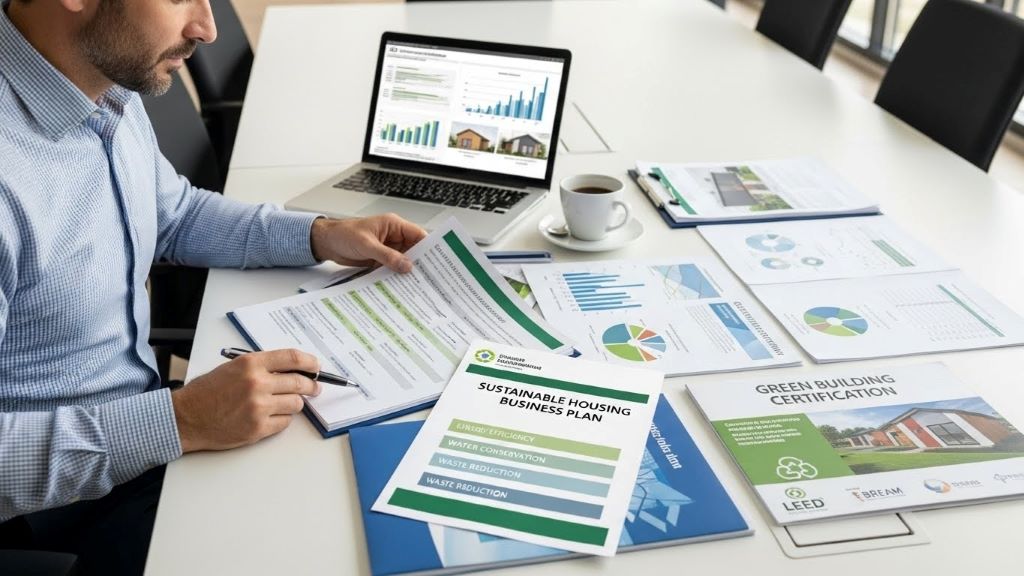
Obtaining green building certifications strengthens your market position. LEED certification remains the most recognized standard in the United States. However, other programs like ENERGY STAR, Living Building Challenge, and Passive House also carry significant weight.
Certifications provide third-party validation of your sustainability claims. They also help properties stand out in competitive markets. Furthermore, certified properties often sell faster and at higher prices than non-certified alternatives.
Include certification costs and timelines in your business plan. The process requires documentation, inspections, and sometimes design modifications. However, the investment typically pays off through increased property values and buyer confidence.
Marketing and Sales Strategy
Effective marketing is essential for sustainable housing investments. Develop a comprehensive strategy that highlights your properties’ unique features. Focus on both environmental benefits and financial advantages such as lower utility bills and potential tax credits.
Use digital marketing channels extensively. Create a professional website showcasing your sustainable properties with high-quality photos and virtual tours. Social media platforms help you reach younger demographics interested in sustainable living.
Partnerships can expand your reach significantly. Collaborate with environmental organizations, green building associations, and sustainable lifestyle brands. These connections provide credibility and access to engaged audiences.
Educate potential buyers about sustainable living benefits. Host workshops, create informative content, and provide transparent information about property performance. This approach builds trust and positions you as an industry expert.
Operations and Property Management
Sustainable housing requires thoughtful property management. Develop systems that maintain green features and optimize performance. Regular maintenance of solar panels, HVAC systems, and water conservation equipment ensures long-term efficiency.
Consider offering property management services that emphasize sustainability. Help residents maximize energy savings through usage monitoring and guidance. Provide resources for sustainable living practices such as composting and recycling programs.
Build relationships with contractors and vendors who specialize in green building. Reliable partners ensure quality work and help you stay current with evolving technologies and best practices.
Risk Management and Mitigation
Every investment carries risks, and sustainable housing is no exception. Identify potential challenges in your business plan and develop mitigation strategies. Market acceptance varies by location, so thorough research helps minimize demand risks.
Technology risks exist as sustainable building methods evolve rapidly. Stay informed about industry developments and be prepared to adapt your approach. Additionally, maintain flexibility in your designs to accommodate future upgrades.
Regulatory changes can impact sustainable housing investments. Monitor local, state, and federal policies affecting green building requirements and incentives. Build relationships with policymakers and industry associations to stay ahead of changes.
Measuring Success and Performance Metrics
Establish clear metrics to evaluate your investment performance. Track both financial returns and environmental impact. Financial metrics include return on investment, cash flow, property appreciation, and operating cost savings.
Environmental metrics demonstrate your sustainability commitment. Monitor energy consumption reduction, water usage, carbon footprint, and waste diversion rates. These measurements help you refine your approach and provide compelling marketing data.
Regularly review and adjust your business plan based on performance data. The sustainable housing market evolves continuously, and successful investors adapt accordingly. Therefore, maintain flexibility while staying true to your core sustainability principles.
Conclusion
Developing a comprehensive business plan for sustainable housing investments positions you for success in this growing market. By understanding market dynamics, incorporating proven green technologies, obtaining relevant certifications, and implementing effective marketing strategies, you can build a profitable portfolio that benefits both investors and the environment. The key lies in balancing financial objectives with genuine sustainability commitments while remaining adaptable to market changes and technological advances. With careful planning and execution, sustainable housing investments offer substantial rewards for forward-thinking real estate professionals.
Frequently Asked Questions
What is the typical return on investment for sustainable housing properties?
Sustainable housing properties typically generate returns comparable to or better than conventional properties. While initial costs may be 5-10% higher, lower operating expenses and premium pricing often result in strong overall returns. Many investors see payback periods of 5-7 years on green upgrades through energy savings and increased property values.
How much more does it cost to build a sustainable home compared to a traditional home?
Building a sustainable home typically costs 2-10% more than conventional construction, depending on the level of green features incorporated. However, long-term savings on utilities, maintenance, and potential tax incentives often offset these initial costs within several years. Energy-efficient homes can reduce utility bills by 20-50% annually.
What certifications should I pursue for sustainable housing investments?
LEED certification is the most widely recognized standard in commercial and residential real estate. ENERGY STAR certification works well for residential properties and focuses specifically on energy efficiency. Consider your target market when choosing certifications, as some buyers value specific standards more than others depending on their priorities and location.
Are sustainable housing investments more risky than traditional real estate investments?
Sustainable housing investments carry similar risks to traditional real estate, with some unique considerations. Market acceptance has grown significantly, reducing demand risk in most areas. However, technology changes and evolving regulations require investors to stay informed. Overall, sustainable properties often show more stable values and faster sales times, potentially reducing certain risks.
How can I finance sustainable housing investments?
Multiple financing options exist for sustainable housing investments. Green mortgages offer favorable terms for energy-efficient properties. FHA and VA loans include provisions for energy-efficient upgrades. Many conventional lenders now recognize the lower default risk of sustainable properties and offer competitive rates. Additionally, tax credits, rebates, and grants from federal, state, and local programs can significantly reduce upfront costs.
Related Topics:


Leave a Reply