
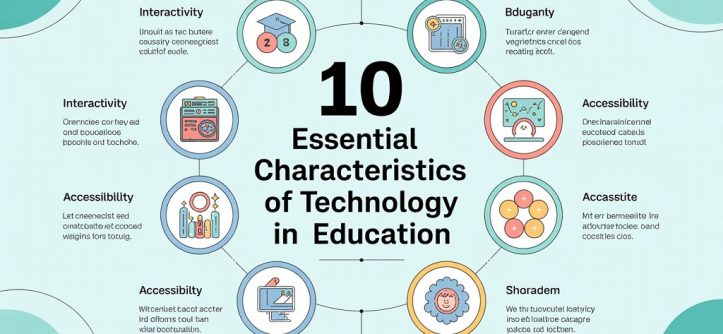
Technology has fundamentally transformed how we approach education in the 21st century. From interactive whiteboards to artificial intelligence tutors, educational technology continues to reshape learning experiences worldwide. Understanding the core characteristics of technology in education helps educators, administrators, and students maximize these powerful tools for better learning outcomes.
Modern educational technology possesses distinct qualities that differentiate it from traditional teaching methods. These characteristics work together to create more engaging, accessible, and effective learning environments. Therefore, exploring these essential features provides valuable insights for anyone involved in educational planning or implementation.
What Makes Educational Technology Unique?
Educational technology stands apart from general technology through its specific design for learning purposes. Additionally, these tools must meet the diverse needs of students, teachers, and educational institutions. The characteristics we’ll explore demonstrate how technology can enhance rather than replace traditional educational approaches.
1. Interactivity and Engagement
Interactive features represent one of the most important characteristics of educational technology. Unlike passive learning methods, technology encourages active participation through touchscreens, voice commands, and gesture-based controls. Students can manipulate digital objects, participate in virtual experiments, and collaborate on shared digital workspaces.
However, interactivity goes beyond simple touch controls. Modern educational platforms adapt to student responses, providing immediate feedback and adjusting difficulty levels automatically. This responsive interaction keeps learners engaged while building confidence through successful experiences.
2. Personalization and Adaptive Learning
Technology excels at customizing educational experiences for individual learners. Adaptive learning systems analyze student performance patterns and adjust content delivery accordingly. Furthermore, these systems identify knowledge gaps and provide targeted remediation or enrichment activities.
Personalization extends to learning styles, pacing preferences, and accessibility needs. Students with visual impairments can access screen readers, while kinesthetic learners benefit from interactive simulations. Therefore, technology creates inclusive environments that accommodate diverse learning requirements.
3. Accessibility and Universal Design
Modern educational technology emphasizes accessibility from the design stage. Universal Design for Learning principles guide developers to create tools that work for learners with varying abilities and needs. Additionally, cloud-based platforms enable access from multiple devices and locations.
Accessibility features include text-to-speech capabilities, adjustable font sizes, closed captioning, and keyboard navigation options. These characteristics ensure that technology barriers don’t prevent any student from accessing quality education.
4. Real-Time Feedback and Assessment
Immediate feedback represents a crucial advantage of educational technology. Traditional assessment methods often involve delays between submission and grading, but digital tools provide instant responses. Students receive immediate confirmation of correct answers or gentle guidance toward better solutions.
However, feedback goes beyond simple right-or-wrong responses. Advanced systems provide detailed explanations, suggest additional resources, and track progress over time. This continuous assessment helps both students and teachers understand learning trajectories more clearly.
5. Collaboration and Communication Tools
Educational technology facilitates collaboration beyond physical classroom boundaries. Students can work together on shared documents, participate in online discussions, and contribute to collaborative projects regardless of location. Additionally, communication tools enable real-time interaction between peers and instructors.
Video conferencing, discussion forums, and shared workspaces create virtual learning communities. These collaborative features prepare students for modern workplace environments while building essential teamwork skills.
6. Multimedia Integration and Rich Content
Technology enables the integration of multiple media types within single learning experiences. Text, images, audio, video, and interactive elements combine to create rich, engaging content. Furthermore, multimedia approaches accommodate different learning preferences and reinforce concepts through multiple channels.
Virtual reality experiences can transport students to historical events, while augmented reality overlays digital information onto real-world objects. These immersive technologies create memorable learning experiences that traditional methods cannot match.
7. Data Analytics and Learning Insights
Educational technology platforms collect vast amounts of learning data, providing valuable insights into student progress and behavior patterns. Analytics dashboards help teachers identify struggling students early and adjust instruction accordingly. Additionally, institutions can use aggregated data to improve curriculum design and resource allocation.
However, data privacy and security remain paramount concerns. Responsible educational technology implementations include robust privacy protections and transparent data usage policies.
8. Scalability and Cost-Effectiveness
Digital educational resources can serve unlimited numbers of students simultaneously without proportional cost increases. Once developed, online courses, educational apps, and digital textbooks can reach global audiences. Therefore, technology offers potential solutions to educational access challenges in underserved communities.
Cloud-based delivery systems further enhance scalability by eliminating the need for expensive local infrastructure. Schools can access powerful educational tools through internet connections rather than purchasing individual software licenses for each computer.
9. Continuous Updates and Improvement
Educational technology platforms can receive regular updates, ensuring content remains current and features continue improving. Traditional textbooks become outdated quickly, but digital resources can incorporate new discoveries, current events, and emerging best practices immediately. Additionally, user feedback helps developers refine and enhance educational tools continuously.
This characteristic ensures that educational technology investments remain valuable over time rather than becoming obsolete quickly.
10. Integration with Existing Systems
Effective educational technology integrates seamlessly with existing school systems and workflows. Modern platforms connect with student information systems, learning management systems, and administrative databases. Furthermore, standardized data formats enable information sharing between different educational tools.
Integration capabilities reduce administrative burden while providing comprehensive views of student progress across multiple platforms and subjects.
Benefits of Understanding These Characteristics

Recognizing these essential characteristics helps educators make informed technology adoption decisions. Schools can evaluate potential tools against these criteria to ensure investments align with educational goals. Additionally, understanding these features helps teachers maximize technology benefits in their specific contexts.
Students also benefit from understanding technology characteristics. This knowledge helps them become more effective digital learners and advocates for their own educational needs.
Implementation Considerations
Successfully implementing educational technology requires careful planning and ongoing support. Training programs help teachers develop necessary skills while technical support ensures smooth daily operations. However, the most important factor is maintaining focus on educational outcomes rather than technology for its own sake.
Change management strategies help schools transition gradually while building confidence among faculty and staff. Additionally, pilot programs allow institutions to test new technologies before full-scale implementation.
Read More Also: Complete Guide to EF ATM Deposits
Conclusion
The 10 essential characteristics of technology in education create powerful opportunities for enhanced learning experiences. Interactivity, personalization, accessibility, real-time feedback, collaboration, multimedia integration, data analytics, scalability, continuous updates, and system integration work together to transform traditional educational approaches.
Understanding these characteristics empowers educators to make informed decisions about technology adoption and implementation. Furthermore, students benefit from more engaging, accessible, and effective learning environments. As technology continues evolving, these fundamental characteristics will remain crucial for successful educational technology integration.
The future of education depends on thoughtful technology implementation that prioritizes learning outcomes while leveraging these essential characteristics to create inclusive, engaging, and effective educational experiences for all students.
Read More Also: Shaker Cabinet Crown Molding
Frequently Asked Questions
1. How do I choose the right educational technology for my classroom?
Evaluate potential tools against the 10 characteristics discussed above. Look for platforms that offer interactivity, personalization, and accessibility features relevant to your students’ needs. Additionally, consider integration capabilities with your existing systems and available technical support.
2. What are the main challenges in implementing educational technology?
Common challenges include insufficient teacher training, limited technical support, budget constraints, and resistance to change. However, gradual implementation with comprehensive support can address most of these concerns effectively.
3. How does educational technology benefit students with special needs?
Technology offers numerous accessibility features including text-to-speech, adjustable displays, alternative input methods, and customizable interfaces. These tools help create inclusive learning environments that accommodate diverse learning needs and abilities.
4. Can educational technology replace traditional teaching methods?
Technology should enhance rather than replace traditional teaching. The most effective approaches combine technology tools with proven pedagogical methods to create blended learning experiences that maximize both human connection and technological capabilities.
5. How can schools measure the effectiveness of educational technology?
Use data analytics features to track student engagement, progress, and outcomes. Additionally, gather feedback from teachers and students about their experiences. Compare academic performance before and after technology implementation while considering factors beyond test scores such as engagement and collaboration skills.



Leave a Reply