
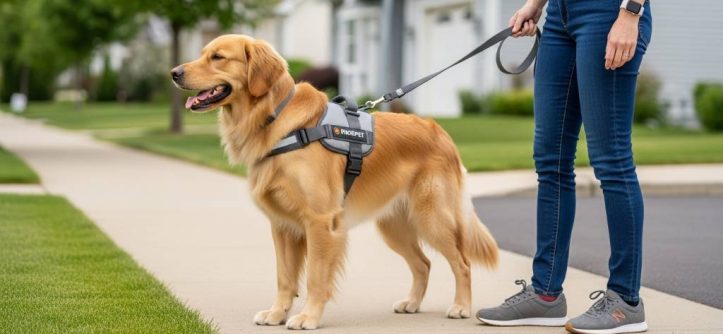
Walking your dog should be a joyful experience, not a constant battle of pulling and tugging. Yet, according to research from the American Veterinary Medical Association, approximately 40% of dog owners report difficulty with leash pulling during walks. This common challenge can turn what should be quality bonding time into a frustrating daily struggle. The good news is that proper leash training combined with the right equipment can transform your walks completely. Check out leash training techniques. This comprehensive guide will walk you through everything you need to know about successful leash training.
Understanding Why Leash Training Matters
Before diving into specific techniques, it’s essential to understand why leash training deserves your time and attention. A well-trained dog on a leash isn’t just more pleasant to walk; it’s also safer for everyone involved.
Dogs naturally want to explore their environment. Their instinct drives them to sniff, investigate, and sometimes chase interesting sights and smells. Without proper training, these natural behaviors can create dangerous situations. A dog that pulls might dart into traffic, jump on strangers, or become reactive to other animals.
Beyond safety concerns, leash pulling creates physical strain. Studies from veterinary orthopedic specialists show that constant pulling can damage a dog’s trachea, neck, and spine over time. Similarly, owners who struggle with pulling dogs often experience shoulder, back, and wrist injuries.
The PHOEPET Grey Harness addresses these concerns through its thoughtful design. Unlike traditional collars that put pressure on sensitive throat areas, this harness distributes force across the chest and shoulders. This design prevents choking while giving you better control during training sessions.
The Science Behind No-Pull Harness Design
Understanding how the PHOEPET Grey Harness works will help you use it more effectively. The harness features a front clip attachment point positioned at the chest area. When your dog pulls forward, the front clip naturally redirects their momentum to the side, turning them back toward you.
This redirection happens without causing discomfort or pain. Instead, it works with basic physics and canine body mechanics. The moment your dog feels the gentle pressure from pulling, they instinctively stop to reorient themselves.
Research published in veterinary behavior journals confirms that front-clip harnesses significantly reduce pulling behavior compared to back-clip designs or traditional collars. The front attachment point gives handlers mechanical advantage without relying on force or corrections.
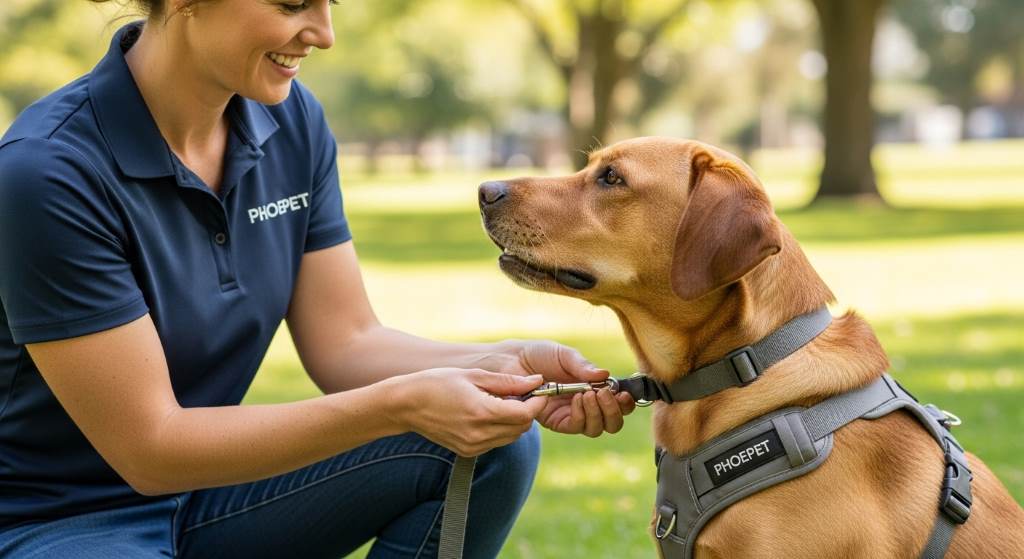
The grey color of the harness offers practical benefits too. It remains visible in various lighting conditions while hiding minor dirt between washes. The neutral tone suits dogs of all coat colors and patterns.
Preparing for Your First Training Session
Success in leash training starts before you ever step outside. Preparation creates a foundation that makes actual training sessions more productive and less stressful for both you and your dog.
First, ensure the PHOEPET Grey Harness fits properly. The harness should feel snug but comfortable, allowing you to slide two fingers between the straps and your dog’s body. Adjust all connection points while your dog is calm and relaxed, rewarding them with treats for standing still during the fitting process.
Introduce the harness gradually if your dog has never worn one. Let them sniff and investigate it. Place treats near and on the harness to create positive associations. Some dogs accept harnesses immediately, while others need several days of gradual introduction.
Gather your training supplies before starting. You’ll need high-value treats that your dog absolutely loves. Choose small, soft treats that can be eaten quickly without chewing. Many trainers recommend using real meat, cheese, or commercial training treats.
Select an appropriate leash length. A standard six-foot leash provides enough freedom for training while maintaining control. Avoid retractable leashes during training sessions, as they actually encourage pulling behavior.
Starting Indoor Foundation Training
Beginning your training indoors removes outdoor distractions and sets you up for success. Your home environment allows your dog to focus entirely on learning what you expect.
Put the PHOEPET Grey Harness on your dog and attach the leash to the front clip. Simply let your dog wear the harness around the house for short periods. This helps them adjust to the feeling without the pressure of outdoor stimulation.
Practice basic attention exercises. Hold a treat near your face and say your dog’s name. When they make eye contact, immediately praise and reward. Repeat this exercise multiple times daily. Eye contact becomes the foundation for successful leash walking because an attentive dog is less likely to pull.
Introduce the concept of leash pressure indoors. Stand still with the leash in your hand. If your dog walks to the end of the leash and creates tension, remain completely still like a tree. The moment they release pressure by stepping back toward you or looking at you, reward immediately.
This exercise teaches a critical lesson. Pulling gets them nowhere, while staying near you brings rewards. Most dogs grasp this concept surprisingly quickly when practiced consistently.
Walk around your home with your dog on the harness and leash. Change directions frequently. Every time your dog follows you in a new direction, praise and reward. This builds the habit of paying attention to where you’re going.
Transitioning to Outdoor Training Sessions
Once your dog shows understanding indoors, you’re ready to practice outside. However, outdoor environments present significantly more distractions, so adjust your expectations accordingly.
Choose your training location thoughtfully. Start in a quiet area with minimal distractions. Your driveway, a quiet sidewalk, or an empty parking lot works well for initial outdoor sessions. Avoid busy parks, areas with lots of other dogs, or anywhere with overwhelming stimulation.
Keep early outdoor sessions brief. Quality matters far more than quantity in dog training. Five to ten minutes of focused training beats thirty minutes of frustration. End sessions while your dog is still engaged and successful.
Before starting to walk, practice the attention exercise you mastered indoors. Help your dog understand that the same rules apply outside. Reward generously for any attention or focus they offer in this new, exciting environment.
When you begin walking, use an upbeat, encouraging voice. Pat your leg and invite your dog to walk with you. The moment they take even one step beside you without pulling, reward immediately. Build duration gradually by requiring a few more steps before each reward.
The Stop and Go Technique
One of the most effective methods for teaching loose leash walking works beautifully with the PHOEPET Grey Harness. The stop and go technique is simple but requires patience and consistency.
Start walking at a normal pace. The instant you feel tension on the leash, stop moving completely. Become a statue. Don’t pull back, jerk the leash, or say anything. Simply stop.
Wait for your dog to release the tension. They might sit, look at you, or take a step back. The moment the leash goes slack, praise warmly and start walking again. Initially, you might only take one or two steps before needing to stop again. That’s perfectly normal.
This technique requires numerous repetitions. You might stop and start dozens of times in just fifty feet. Stay patient and consistent. Your dog is learning that pulling immediately stops all forward progress, while a loose leash allows them to continue their walk.
The front clip on the PHOEPET Grey Harness enhances this technique. When tension occurs, the harness gently turns your dog toward you rather than allowing them to drag you forward. This physical feedback reinforces the lesson more quickly.
Over time, the frequency of stops decreases dramatically. Most dogs begin offering loose leash walking within a few training sessions when this method is applied consistently.
Using Direction Changes as Training Tools
Another powerful training approach involves frequent direction changes. This technique keeps your dog engaged and attentive to your movements.
Walk in one direction for several steps. Suddenly turn and walk a completely different direction. When your dog notices and follows you, reward enthusiastically. This exercise transforms the walk into a game where following you brings rewards.
Vary your direction changes. Turn right, turn left, make U-turns, walk in circles, or even walk backward for a few steps. Unpredictability keeps your dog focused on you rather than on distractions in the environment.
The PHOEPET Grey Harness makes direction changes smoother and more effective. The front clip naturally guides your dog in your chosen direction without the harsh corrections that collar-based training requires.
Start with obvious, slow direction changes. As your dog improves, make your turns quicker and less telegraphed. Eventually, your dog will watch you constantly, anticipating where you might go next.
This heightened attention transfers to all aspects of leash walking. A dog focused on their handler naturally pulls less and responds better to cues.
Rewarding Position and Proximity
Instead of only rewarding when your dog stops pulling, actively reward the position you want to see. This proactive approach accelerates learning significantly.
Decide where you want your dog to walk. Most people prefer their dog on the left side, roughly even with their leg. However, the specific position matters less than consistency.
Watch for moments when your dog naturally falls into the desired position. Immediately mark that moment with a verbal marker like “yes” or a clicker, then deliver a treat. Your dog will quickly understand that being in that specific spot earns rewards.
Gradually increase how long your dog must maintain position before earning rewards. Start with one or two seconds, then three, then five. Build duration slowly to prevent frustration.
Vary your reward schedule as your dog improves. Initially, reward every instance of good positioning. As the behavior becomes more reliable, switch to intermittent rewards. This variable reinforcement actually strengthens behavior more effectively than constant rewards.
The PHOEPET Grey Harness helps maintain ideal positioning because it gives you precise control without relying on force. Gentle guidance combined with positive reinforcement creates willing cooperation rather than reluctant compliance.
Managing Distractions During Training
Even with perfect preparation, distractions will challenge your training. Learning to handle these moments determines your long-term success.
Create a distraction hierarchy. List everything that excites or distracts your dog, from mildly interesting (fallen leaves) to highly stimulating (other dogs). Start training around low-level distractions and gradually work toward more challenging ones.
When you notice a distraction before your dog does, use it as a training opportunity. Get your dog’s attention and reward them for focusing on you instead of the distraction. This builds strong focus skills.
If your dog fixates on a distraction, create distance. The intensity of distractions decreases with distance. Move farther away until your dog can disengage, then practice attention exercises before approaching again.
Use the “find it” game to manage overwhelming distractions. Toss several treats on the ground and encourage your dog to search for them. This redirects their focus and energy in a controlled way. After they’ve eaten the treats and calmed slightly, continue your training.
The PHOEPET Grey Harness provides crucial control during distraction training. If your dog lunges toward something, the front clip redirects them back toward you rather than allowing them to build momentum. This prevents rehearsal of unwanted behaviors while keeping everyone safe.
Related:
Best Flea and Tick Collar for Small Dogs: 8-Month Protection Explained
How to Stop My Dog From Chewing His Bed With Bitter Spray
Building Duration and Distance
As your dog masters basic leash skills in controlled environments, gradually increase both the duration of training sessions and the distance you walk.
Extend session length slowly. If your dog succeeds in five-minute sessions, try six or seven minutes. Watch for signs of fatigue or frustration. Always end sessions on a positive note, even if it means stopping earlier than planned.
Increase walking distance incrementally. If you’ve been practicing in your driveway, expand to walking to the end of your street. Then try walking around the block. Each new distance presents fresh challenges and distractions.
Maintain high reward rates when increasing difficulty. If you’ve added distance or duration, don’t also reduce rewards. Support your dog’s success by keeping other aspects of training easier.
Introduce variety in your routes. Walk the same path in different directions. Try new neighborhoods. Visit different times of day. Variety generalizes the training, helping your dog understand that loose leash walking applies everywhere, not just in familiar areas.
The PHOEPET Grey Harness remains effective regardless of walk length. Its comfortable design prevents chafing during longer walks while maintaining the training benefits of front-clip attachment.
Troubleshooting Common Challenges
Even with proper equipment and technique, challenges arise. Understanding common issues and their solutions keeps training progressing.
Some dogs jump and bite at the leash when frustrated. This behavior often indicates overstimulation or insufficient exercise before training. Tire your dog out with play before leash training sessions. If leash biting occurs, freeze completely until your dog releases the leash, then continue.
Certain dogs shut down when wearing a harness for the first time. They refuse to walk or move awkwardly. This reaction stems from unfamiliarity rather than discomfort. Continue the gradual introduction process. Practice indoors with lots of treats and encouragement until movement becomes natural.
Highly anxious dogs might pull not from excitement but from fear. They try to escape the situation by rushing forward or backward. These dogs need specialized desensitization work beyond basic leash training. Consider consulting a professional trainer who uses positive reinforcement methods.
Dogs with strong prey drive may pull intensely toward squirrels, birds, or other animals. The PHOEPET Grey Harness prevents them from building the momentum needed to chase, but you’ll also need to practice strong attention and impulse control exercises specifically targeting prey drive.
Remember that adolescent dogs often regress in their training. A puppy who walked beautifully at four months might pull terribly at nine months. This developmental stage passes with consistent practice.
Advanced Leash Skills and Commands
Once your dog reliably walks on a loose leash, you can add advanced skills that make walks even more enjoyable.
Teach a formal heel position. This differs from general loose leash walking by requiring your dog to maintain a specific position right beside your leg. Use a verbal cue like “heel” or “close” and reward your dog for maintaining tight positioning.
Practice attention on cue. Train your dog to make eye contact when you say their name or use a cue like “look” or “watch me.” This skill proves invaluable when approaching distractions.
Introduce automatic sits. Teach your dog to sit whenever you stop walking. This creates a default behavior that prevents pulling when you pause to talk to neighbors or wait at crosswalks.
Train distance control with a longer leash. A fifteen or twenty-foot training lead allows your dog more freedom while maintaining connection. Practice recalls and attention at greater distances, then reward your dog for returning to walking position.
The PHOEPET Grey Harness supports all these advanced skills. Its secure fit ensures it won’t slip during quick movements, while the front clip maintains your training advantage.
Consistency Across All Handlers
If multiple people walk your dog, everyone must follow the same training protocols. Inconsistency confuses dogs and slows progress significantly.
Hold a family meeting to discuss training rules. Decide together where the dog should walk, how to handle pulling, and what rewards to use. Write down your agreements to ensure everyone remembers.
Have each family member practice the training techniques together. Watch each other work with the dog and offer supportive feedback. This shared experience builds consistency.
Children can participate in leash training if they’re physically capable of handling the dog. The PHOEPET Grey Harness gives even younger handlers better control than traditional equipment. However, always supervise children during walks for safety.
If professional dog walkers or pet sitters care for your dog, brief them on your training approach. Provide written instructions and demonstrate what you’ve been practicing. Good professionals appreciate this information and will happily maintain your training.
Consistency extends to all walks, not just training sessions. Every walk is a training opportunity. If you allow pulling on some walks but not others, you teach your dog that pulling sometimes works, which actually strengthens the behavior.
Maintaining Long-Term Success
Leash training isn’t a one-time accomplishment. Maintaining good walking behavior requires ongoing attention and occasional refresher training.
Continue rewarding good walking even after your dog seems fully trained. You can reduce reward frequency, but never eliminate rewards completely. Occasional treats for excellent walking keep the behavior strong.
Watch for gradual deterioration. Dogs slowly test boundaries over time. If you notice pulling creeping back into your walks, immediately return to more frequent rewards and stricter consistency.
Adjust your training as your dog ages. Senior dogs might need slower paces and shorter walks. Their leash behavior might change due to decreased hearing or vision. The PHOEPET Grey Harness remains appropriate for dogs at all life stages, adapting to changing needs.
Seasonal changes affect walking behavior. Spring excitement, summer heat, fall squirrel activity, and winter ice all present unique challenges. Anticipate these changes and adjust your training support accordingly.
If you move to a new area, expect some regression. New environments bring new distractions. Practice in your new neighborhood just as you did when first training. Your dog will adapt more quickly than during initial training.
Health and Safety Considerations
Proper equipment protects your dog’s physical wellbeing during training and beyond.
The PHOEPET Grey Harness design specifically prevents tracheal damage that can result from collar use. This protection is especially important for breeds prone to respiratory issues, such as pugs, bulldogs, or any brachycephalic breed.
Check the harness fit regularly. Dogs gain or lose weight, and growing puppies need frequent adjustments. A proper fit prevents chafing, rubbing, or the harness slipping over your dog’s head.
Inspect the harness and leash before each walk. Look for frayed stitching, damaged buckles, or worn material. Replace equipment that shows signs of wear to prevent failures during walks.
Monitor your dog’s body language during walks. Excessive panting, limping, or reluctance to continue might indicate discomfort or fatigue. Never force a dog to walk beyond their physical capabilities.
Protect paw pads in extreme weather. Hot pavement in summer and ice-melt chemicals in winter can cause serious injury. Test pavement temperature with your hand and use protective boots when necessary.
The Role of Exercise in Leash Training Success
Adequate physical and mental exercise dramatically improves leash training outcomes.
A tired dog is a trainable dog. Before training sessions, allow your dog to burn excess energy. Play fetch in your yard, practice obedience commands, or engage in tug games. This pre-walk exercise helps your dog settle into calmer walking.
Mental enrichment matters as much as physical exercise. Puzzle toys, sniff games, and training sessions tire dogs mentally. A mentally tired dog shows better impulse control and focus during walks.
Allow sniffing during walks. While you want loose leash walking, walks shouldn’t be purely regimented. Let your dog sniff and investigate their environment. Sniffing provides crucial mental stimulation and makes walks more enjoyable for your dog.
Balance structured and free time during walks. Practice loose leash walking for portions of your walk, then release your dog to a longer leash or designated sniff zone as a reward. This approach satisfies both training goals and your dog’s natural needs.
Understanding Your Individual Dog’s Needs
Every dog is unique. Effective training adapts to your specific dog’s personality, breed characteristics, and history.
High-energy breeds like border collies, Australian shepherds, or Jack Russell terriers need substantial exercise before they can focus on leash training. These dogs benefit from running, playing, or participating in dog sports before walking practice.
Scent hounds like beagles or basset hounds face extra challenges because their noses constantly draw them toward interesting smells. The PHOEPET Grey Harness prevents them from dragging you while you teach impulse control around scent distractions.
Giant breeds require special consideration due to their size and strength. Even with proper equipment, a hundred-pound dog who pulls can overpower handlers. Start leash training early with large breed puppies before they reach full size and strength.
Rescue dogs might have unknown histories. Some never learned leash skills, while others learned inappropriate behaviors. Approach training with patience, understanding that you might need to overcome previous learning before establishing new habits.
Small dogs need training just as much as large ones. Don’t fall into the trap of thinking leash pulling doesn’t matter because your dog is tiny. Small dogs can still injure themselves or become reactive when allowed to pull constantly.
Creating Positive Walking Associations
Your dog’s emotional state during walks influences their behavior and learning.
Make walks pleasant from start to finish. Don’t immediately begin training the moment you step outside. Allow a brief adjustment period where your dog can eliminate and settle into the outdoor environment.
Use happy, encouraging vocal tones. Your voice should convey that walking together is enjoyable. Harsh or frustrated tones create anxiety that interferes with learning.
Incorporate play into walks. Bring a small toy or practice quick training games during your walk. This playfulness strengthens your bond and makes walking with you more rewarding than pulling toward distractions.
End walks positively. Even if the walk included challenges, finish with something your dog does well. Practice a simple command they’ve mastered, then reward generously before heading home.
These positive associations make your dog eager for walks rather than viewing them as stressful training sessions. An enthusiastic dog who loves walking with you will naturally pay more attention and pull less.
Conclusion
Leash training transforms daily walks from frustrating battles into enjoyable bonding experiences. The PHOEPET Grey Harness provides the foundation for success through its thoughtful no-pull design, but equipment alone isn’t enough. Consistent training, patience, and understanding of canine learning principles create lasting results. Remember that progress isn’t always linear. Some days will be better than others, and that’s completely normal. Celebrate small victories, maintain consistency across all walks and handlers, and adjust your approach based on your individual dog’s needs. Start your leash training journey today by putting these techniques into practice. Your future self, walking peacefully alongside your well-trained companion, will thank you for the effort you invest now. Every step you take together brings you closer to the harmonious walks you’ve always wanted.
Frequently Asked Questions
How long does it take to leash train a dog with the PHOEPET Grey Harness?
Most dogs show noticeable improvement within two to four weeks of consistent daily training. However, complete mastery typically requires two to three months of practice. Puppies often learn faster than adult dogs who have established pulling habits. The key factor isn’t time but consistency. Dogs trained multiple times daily progress faster than those trained sporadically. Age, breed, temperament, and previous experience all influence learning speed, so avoid comparing your dog’s progress to others.
Can I use the PHOEPET Grey Harness for a puppy?
Absolutely! Starting leash training early sets puppies up for lifelong success. Ensure you have the correct size for your puppy’s current weight and measurements. Since puppies grow rapidly, you’ll need to check the fit weekly and adjust accordingly. Young puppies might need several size changes as they mature. The harness design is gentle enough for developing bodies while providing the control needed for effective training. Begin training as soon as your puppy has received appropriate vaccinations and your veterinarian approves outdoor walks.
What if my dog still pulls even with the front-clip harness?
Front-clip harnesses reduce pulling but don’t eliminate it without proper training. If your dog continues pulling, return to basic training steps. Increase reward frequency, reduce distractions, and shorten training sessions. Verify the harness fits correctly, as improper fit reduces effectiveness. Some determined pullers need additional strategies like the stop-and-go technique applied with extreme consistency. Consider whether your dog is receiving adequate exercise before walks, as excess energy often manifests as pulling. If problems persist despite consistent training, consult a certified professional dog trainer.
Should I attach the leash to the front or back clip?
Always use the front clip during training and whenever pulling is a concern. The front attachment provides the mechanical advantage that makes the harness effective for reducing pulling behavior. The back clip can be used once your dog reliably walks on a loose leash and you simply need a comfortable attachment point. However, many owners permanently use the front clip because it maintains training benefits even after the dog is well-trained. Some situations, like running with your dog, might benefit from back-clip attachment, but these activities should happen after solid leash training is established.
How do I transition from treats to walking without constant rewards?
Gradually reduce treat frequency rather than eliminating them suddenly. Once your dog walks well with constant rewards, start rewarding every other instance of good behavior, then every third, and so on. Introduce variable reinforcement where your dog never knows exactly when the reward will come. This unpredictability actually strengthens behavior. Replace some food rewards with life rewards like sniffing opportunities, greeting friendly dogs, or access to interesting areas. However, never completely eliminate rewards. Even well-trained dogs benefit from occasional treats for excellent walking, which maintains motivation and prevents deterioration of the behavior.
References
- American Veterinary Medical Association. Dog Behavior and Training Resources. https://www.avma.org
- Association of Professional Dog Trainers. Positive Reinforcement Training Methods. https://apdt.com
- The Kennel Club. Leash Training and Walking Guidelines. https://www.thekennelclub.org.uk
- Journal of Veterinary Behavior. Research on Canine Equipment and Training Outcomes. https://www.journalvetbehavior.com




Leave a Reply