
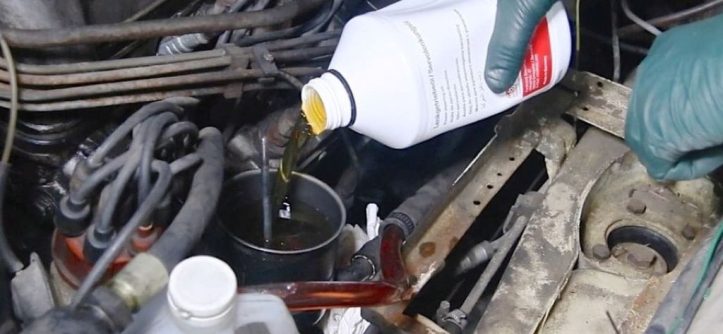
Power steering fluid plays a crucial role in your vehicle’s steering system, yet many drivers overlook its maintenance until problems arise. Regular replacement of this essential hydraulic fluid can prevent costly repairs and ensure smooth, responsive steering for years to come. Vehicle Trade US emphasizes the importance of proactive maintenance to preserve vehicle value and performance. Understanding the benefits of early fluid replacement helps drivers make informed decisions about their vehicle care.
Most automotive experts agree that proactive maintenance saves money in the long run. Power steering systems operate under high pressure and temperature conditions that gradually degrade the fluid over time. Additionally, contaminated fluid can cause significant damage to expensive steering components if left unchanged.
The consensus among mechanics is that you should replace power steering fluid at regular intervals rather than waiting for visible signs of deterioration. Therefore, understanding the specific benefits of early replacement helps drivers prioritize this important maintenance task.
Understanding Power Steering Fluid Function
The Role of Hydraulic Fluid
Power steering systems rely on hydraulic pressure to amplify driver input and reduce steering effort. The fluid transmits this pressure from the pump to the steering gear or rack-and-pinion assembly. Additionally, it lubricates moving parts and helps dissipate heat generated during operation.
Fresh power steering fluid maintains consistent viscosity across various temperatures. This stability ensures reliable steering response in both hot summer conditions and cold winter weather. However, aging fluid loses these properties and becomes less effective at pressure transmission.
The fluid also contains additives that prevent corrosion and seal deterioration. These chemical protectants maintain system integrity by preventing rust formation on metal components. Additionally, seal conditioners keep rubber seals flexible and prevent leaks.
Signs of Fluid Degradation
Power steering fluid changes color and consistency as it ages and becomes contaminated. Fresh fluid typically appears red or amber, while degraded fluid turns brown or black. Additionally, contaminated fluid may contain visible particles or metal shavings.
Foaming indicates excessive air in the system, often caused by low fluid levels or seal leaks. This condition reduces hydraulic efficiency and can cause erratic steering behavior. Therefore, regular fluid inspection helps identify problems before they escalate.
Strange noises during steering operation often signal fluid issues. Whining, groaning, or squealing sounds may indicate pump strain caused by contaminated or insufficient fluid. Additionally, these symptoms typically worsen over time without proper maintenance.
Cost Benefits of Early Replacement
Preventing Expensive Component Failures
Power steering pumps cost hundreds or even thousands of dollars to replace, depending on the vehicle. Early fluid replacement prevents pump damage caused by contaminated or degraded hydraulic fluid. Additionally, pump failures often occur suddenly, leaving drivers stranded with inoperative steering.
Steering racks and gear boxes also suffer damage from neglected fluid maintenance. These components contain precision-machined parts that wear rapidly when lubrication becomes inadequate. Therefore, regular fluid changes protect these expensive steering system components.
Seals and hoses deteriorate faster when exposed to contaminated fluid containing acids and debris. Replacing these components individually costs significantly more than routine fluid maintenance. Additionally, multiple seal failures can cascade into complete system rebuilds.
Extending Component Lifespan
Fresh power steering fluid contains detergents that clean internal components and remove harmful deposits. These cleaning agents prevent sludge buildup that can clog filters and restrict fluid flow. However, severely contaminated systems may require multiple fluid changes to achieve optimal cleanliness.
Proper lubrication reduces friction between moving parts, minimizing wear and extending service life. Well-maintained power steering systems often last the entire vehicle lifespan without major repairs. Additionally, smooth operation reduces stress on related components like steering columns and intermediate shafts.
Regular maintenance also maintains proper fluid levels, preventing pump cavitation and air ingestion. These conditions cause rapid component wear and system failure. Therefore, consistent fluid replacement prevents multiple expensive problems simultaneously.
Performance Improvements Through Early Replacement
Enhanced Steering Response
Fresh power steering fluid provides optimal hydraulic pressure transmission for crisp, responsive steering feel. Drivers notice improved steering precision and reduced effort required for turning maneuvers. Additionally, consistent fluid properties ensure predictable steering behavior across various driving conditions.
Temperature stability becomes particularly important during extreme weather conditions. Fresh fluid maintains proper viscosity in cold weather, preventing steering stiffness during startup. Similarly, it resists thinning in hot conditions that could cause steering feel degradation.
Contaminated fluid creates internal restrictions that delay steering response and increase effort requirements. Early replacement eliminates these issues and restores original steering performance characteristics. Therefore, drivers experience immediate improvements following fluid service.
Noise Reduction Benefits
Well-maintained power steering systems operate quietly without whining, groaning, or other abnormal sounds. Fresh fluid reduces pump noise by providing proper lubrication and eliminating air bubbles. Additionally, clean fluid prevents cavitation that creates disturbing operational sounds.
Contaminated fluid often contains particles that create grinding or scraping noises as they circulate through the system. These sounds indicate ongoing damage to precision components. However, early fluid replacement removes contaminants before significant damage occurs.
Seal leaks caused by degraded fluid often create vacuum effects that generate whistling or sucking sounds. Maintaining fresh fluid preserves seal integrity and prevents these annoying noise issues. Therefore, regular maintenance ensures quiet, pleasant driving experiences.

Safety Advantages of Proactive Maintenance
Preventing Sudden Steering Failure
Power steering system failures can occur without warning, creating dangerous driving situations. Sudden loss of power assistance makes steering extremely difficult, particularly during emergency maneuvers. Additionally, complete system failure can render vehicles nearly impossible to control.
Fresh fluid maintains system reliability by preventing component failures that lead to sudden assistance loss. Regular maintenance identifies potential problems before they cause complete system breakdown. Therefore, proactive fluid replacement contributes directly to driver and passenger safety.
Emergency situations require maximum steering control and responsiveness. Well-maintained power steering systems provide consistent assistance that can prevent accidents during sudden avoidance maneuvers. However, degraded systems may fail precisely when steering control becomes most critical.
Maintaining Predictable Steering Feel
Consistent steering feel helps drivers maintain vehicle control and confidence. Fluctuating power assistance levels caused by contaminated fluid can surprise drivers and lead to overcorrection. Additionally, unpredictable steering behavior increases accident risk during normal driving conditions.
According to research published by the National Highway Traffic Safety Administration, steering system failures contribute to thousands of accidents annually, many of which could be prevented through proper maintenance.
Fresh fluid ensures steering assistance remains proportional to driver input across various speeds and conditions. This consistency helps drivers develop muscle memory and confidence in their vehicle’s handling characteristics. Therefore, regular fluid maintenance contributes to overall driving safety and control.
Environmental and Long-Term Vehicle Value Benefits
Reducing Waste and Environmental Impact
Early power steering fluid replacement reduces overall waste generation compared to major component replacement. Manufacturing new pumps, racks, and steering assemblies requires significant energy and raw materials. Additionally, disposing of these complex assemblies creates environmental challenges.
Proper fluid disposal and recycling minimize environmental impact compared to disposing of complete steering system components. Most service centers recycle used power steering fluid through established automotive waste programs. Therefore, regular maintenance supports environmental sustainability through reduced component replacement.
Extending vehicle lifespan through proper maintenance reduces the environmental impact of manufacturing replacement vehicles. Well-maintained vehicles remain reliable and valuable longer, delaying the need for new vehicle production. Additionally, this approach reduces overall resource consumption and waste generation.
Preserving Vehicle Resale Value
Potential buyers view maintenance records as indicators of overall vehicle care and reliability. Documentation of regular power steering fluid changes demonstrates responsible ownership and attention to detail. Therefore, these records can increase resale value and buyer confidence.
Steering system problems significantly reduce vehicle value and marketability. Buyers often avoid vehicles with known steering issues due to safety concerns and repair costs. However, well-maintained steering systems enhance vehicle appeal and command higher prices.
Professional inspections often identify power steering problems that can derail sales negotiations. Proper maintenance prevents these issues and ensures smooth transaction processes. Additionally, functioning power steering enhances the driving experience during test drives and inspections.
Optimal Replacement Intervals and Best Practices
Manufacturer Recommendations vs. Real-World Conditions
Vehicle manufacturers typically recommend power steering fluid replacement every 60,000 to 100,000 miles under normal conditions. However, severe driving conditions may require more frequent service intervals. Additionally, older vehicles often benefit from shorter replacement intervals due to seal deterioration.
Stop-and-go city driving, extreme temperatures, and towing increase power steering system stress and fluid degradation rates. These conditions may require fluid replacement every 30,000 to 50,000 miles for optimal performance. Therefore, driving patterns should influence maintenance scheduling decisions.
Regular fluid inspection helps determine appropriate replacement intervals based on actual condition rather than arbitrary mileage schedules. Visual checks for color, consistency, and contamination provide valuable maintenance timing information. However, professional analysis offers more precise condition assessment.
Professional vs. DIY Replacement
Professional power steering fluid replacement ensures complete system flushing and proper fluid selection. Experienced technicians can identify related problems and recommend additional maintenance if needed. Additionally, professional service often includes system inspection and testing.
DIY replacement can save money but may not achieve complete fluid exchange without proper equipment. Partial fluid changes provide some benefits but leave contaminated fluid in the system. Therefore, professional service typically delivers superior results and long-term benefits.
Some vehicles require special procedures or tools for proper fluid replacement. European and luxury vehicles often have complex systems requiring specific service techniques. Additionally, hybrid and electric vehicles may have unique power steering systems requiring specialized knowledge.
According to Consumer Reports, proper power steering maintenance can extend system life by 50% or more compared to neglected systems, making it one of the most cost-effective maintenance investments.
Choosing the Right Replacement Fluid
OEM vs. Aftermarket Options
Original Equipment Manufacturer (OEM) fluids meet exact specifications for specific vehicle applications. These fluids provide optimal performance and compatibility with system seals and components. However, OEM fluids typically cost more than generic alternatives.
High-quality aftermarket fluids often exceed OEM specifications and provide superior performance characteristics. These premium options may offer better temperature stability, longer service life, and enhanced seal protection. Additionally, some aftermarket fluids provide multiple vehicle compatibility.
Universal power steering fluids work with many vehicles but may not optimize performance for specific applications. These budget options provide basic functionality but may lack specialized additives for particular vehicle requirements. Therefore, fluid selection should balance cost considerations with performance requirements.
Synthetic vs. Conventional Formulations
Synthetic power steering fluids offer superior temperature stability and longer service intervals compared to conventional formulations. These advanced fluids resist oxidation and maintain consistent viscosity across extreme temperature ranges. Additionally, synthetic formulations often provide better seal protection and system cleanliness.
Conventional fluids cost less initially but may require more frequent replacement to maintain optimal performance. These traditional formulations work well for normal driving conditions and older vehicles. However, severe operating conditions may favor synthetic fluid advantages.
Some vehicles specifically require synthetic power steering fluid for proper operation. These applications typically include high-performance vehicles, luxury cars, and vehicles with electronically controlled steering systems. Therefore, fluid selection should always consider manufacturer requirements and recommendations.
Conclusion
Early replacement of power steering fluid provides numerous benefits that far outweigh the minimal cost and effort required. Proactive maintenance prevents expensive component failures, enhances steering performance, and maintains vehicle safety and reliability. Additionally, regular fluid changes preserve vehicle value and support environmental sustainability through reduced component replacement.
The key advantages include cost savings through prevention of major repairs, improved steering response and noise reduction, enhanced safety through reliable system operation, and long-term value preservation. Modern power steering systems depend on clean, fresh fluid to operate efficiently and reliably.
Optimal maintenance practices involve following appropriate replacement intervals based on driving conditions, choosing quality fluids that meet vehicle specifications, and considering professional service for complete system care. Therefore, treating power steering fluid replacement as essential preventive maintenance rather than optional service ensures maximum benefits and system longevity.
Frequently Asked Questions
How often should I replace my power steering fluid? Most manufacturers recommend replacement every 60,000 to 100,000 miles under normal conditions. However, severe driving conditions like stop-and-go traffic, extreme temperatures, or towing may require replacement every 30,000 to 50,000 miles.
What are the signs that my power steering fluid needs replacement? Key indicators include dark or black fluid color, visible contamination or particles, foaming, unusual noises during steering, and difficulty turning the wheel. Additionally, any burning smell or fluid leaks suggest immediate attention is needed.
Can I mix different types of power steering fluid? Mixing different fluid types is generally not recommended as it can cause chemical reactions, seal damage, or reduced performance. Therefore, always drain the old fluid completely before adding new fluid of a different type.
Is synthetic power steering fluid worth the extra cost? Synthetic fluids offer superior temperature stability, longer service life, and better seal protection compared to conventional fluids. For high-performance vehicles, extreme climates, or extended service intervals, synthetic fluids typically justify their higher cost through improved performance and longevity.
What happens if I never change my power steering fluid? Neglected power steering fluid becomes contaminated and loses its protective properties, leading to pump failure, steering rack damage, seal deterioration, and eventual complete system failure. These repairs can cost thousands of dollars compared to routine fluid maintenance.
Rea More:
What Do They Use to Wash Semi-Trucks? A Deep Dive into Professional Cleaning



Leave a Reply