

Sculpture has been integral to human artistic expression for thousands of years. From prehistoric carved figurines to ancient Greek and Roman statuary, sculpture has allowed artists to engage with the physical world in three dimensions. In contemporary art, sculpture continues to be a vibrant and evolving medium that will enable artists to explore new sculpture in contemporary art, techniques, and ways of imbuing meaning into physical forms.
Defining Contemporary Sculpture
The term “contemporary art” typically refers to work made since the 1960s up to the present day. Contemporary sculpture encompasses various materials, forms, scales, and approaches.
Some key features of modern sculpture include:
- Use of new and unexpected materials – everything from installation art using everyday objects to large-scale works in metal, plastic, fabric, found materials, natural materials, and more.
- Experimentation with form – contemporary sculpture often explores new ways of thinking about form, space, structure, gravity, and the viewer’s perception.
- Conceptual focus – while contemporary sculpture engages the physical form, meaning and ideas are often more important than beauty or technical skill.
- Site-specific and public art – sculpture is no longer confined to the gallery/museum setting but also exists in public spaces.
- Multidisciplinary approach – sculpture often overlaps with disciplines like performance, video, architecture, design, etc.
- Social consciousness – contemporary sculpture may address political, social, or environmental issues.
While sculpture in contemporary art connects to earlier artistic movements like Minimalism, Pop Art, and Conceptual Art, it tends to resist easy categorization. Contemporary sculptors are constantly pushing the boundaries of what sculpture can be.
Themes and Approaches
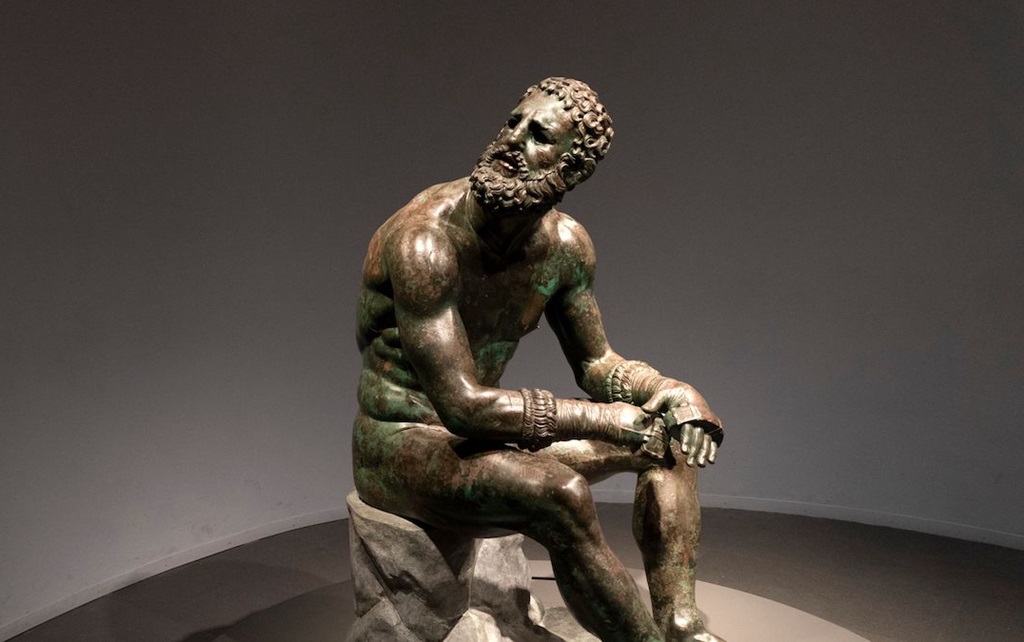
Sculpture in contemporary art work in diverse thematic areas and take varied philosophical/intellectual approaches. Some of the themes and approaches associated with contemporary sculpture include:
The Body
The human body remains one of contemporary sculpture’s most fundamental subjects and forms. Artists may represent, abstract, contort, enhance, or reconstruct the body in unique ways using techniques such as:
- Casting directly from the human form
- Exaggerating or minimalizing bodily features
- Combining human and animal elements
- Using the body itself as a sculptural medium through performance
Artists like Duane Hanson, Marc Quinn, Robert Gober, and Orlan have all created provocative sculptures dealing with concepts of idealization, identity, consumerism, gender, and more about the human body.
Matter, Process, and Space
Rather than focusing on a particular subject, many contemporary sculptors explore the materials and processes of sculpture itself. Works may highlight the qualities of a specific material, involve inventive physical processes, or activate the space around/within a sculpture.
Key examples include Anish Kapoor’s reflective stainless steel works, Richard Serra’s substantial site-specific metal pieces, Eva Hesse’s hanging latex and fiberglass forms, and Sol LeWitt’s modular geometric structures. This focus on matter, process, and space traces back to Minimalism but continues to evolve in contemporary practice.
Nature and the Environment
Nature has inspired artists for millennia and remains an essential touchstone in contemporary sculpture. Today, themes of environmentalism and humanity’s relationship to nature often come to the fore.
Artists like Andy Goldsworthy create ephemeral earthworks using natural materials like ice, leaves, and rocks. Others incorporate living natural elements into their sculptures or directly engage ecological issues. Recycled materials are also ubiquitous as a means of transforming waste into art.
Identity and Social Issues
Many contemporary sculptors explore concepts of individual and cultural identity, race, gender, sexuality, politics, power structures, inequalities, and more. Sculpture provides a compelling way to give physical form to complex social issues and human experiences.
Kara Walker, Fred Wilson, and Wangechi Mutu create powerful silhouettes and assemblages that unearth racist stereotypes and cultural narratives. Artists like Kaws and Takashi Murakami fuse fine art with pop culture, commerce, and technology. Others use techniques like casting or appropriation to reflect on marginalized people and communities.
Temporality, Performance, and Experience
Contemporary sculpture often explores temporality in contrast to traditional sculpture’s status as a permanent object. Many works incorporate ephemeral materials, performance, interactive components, light/sound, and audience participation to create fleeting or customizable experiences.
Marina Abramovic uses her own body in demanding durational performances. Artists like Olafur Eliasson and Random International create immersive sensory environments emphasizing the process and the viewer’s perception. Other sculptors make works from ice, salt, cloth, or soil that gradually decay or return to the earth. This focus on ephemeral experience reflects contemporary society’s ever-accelerating pace.
New Genres and Possibilities
The categories above overlap and point to the continually expanding possibilities for sculpture today. As new materials and technologies emerge, artists continue to incorporate sculpture into cutting-edge genres like:
Kinetic art – Sculptures with moving parts powered by motors or other means, like Alexander Calder’s mobiles or David Cairns’ mutating virus pieces.
Light art – Sculptural works incorporating lightweight technology, such as James Turrell’s immersive colored light environments.
Sound art – Artworks that emphasize sound, often in an immersive installation format.
Bio art – Sculptures utilizing living matter like tissues, bacteria, or plant life in innovative ways.
Digital art – Sculptures incorporating digital technology, 3D printing, coding, virtual reality, and more.
Land art – Sculptures made directly in the landscape, documented in photographs.
Found object art – Sculpture composed of already existing, often discarded objects.
This breadth of genres and integration with other disciplines characterize the boundless versatility of sculpture in contemporary art.
Sculpture in the Expanded Field
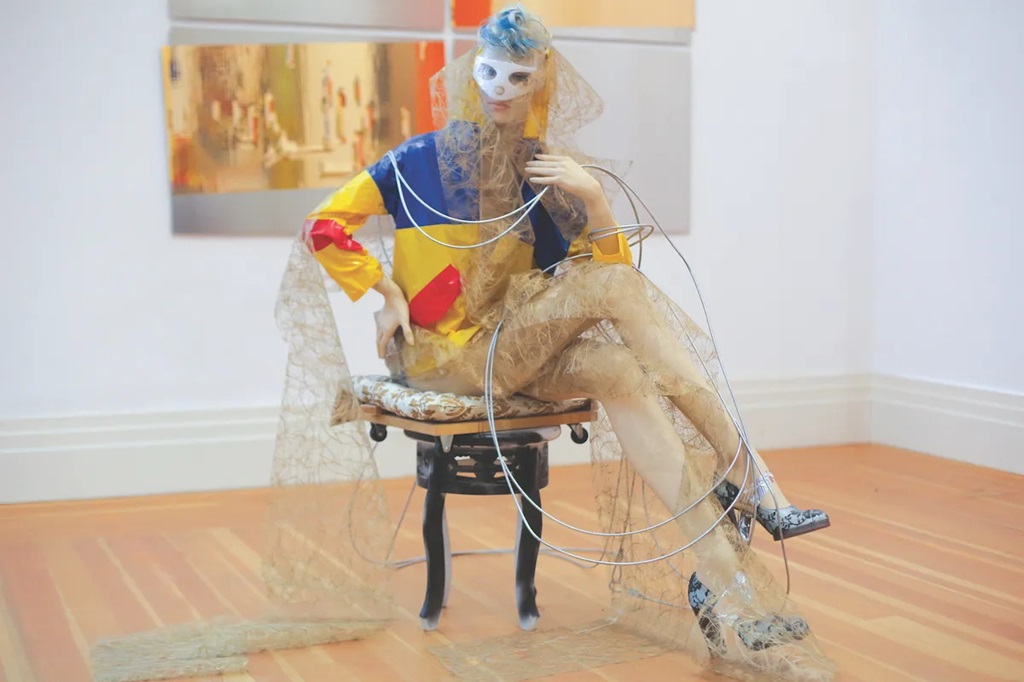
In her seminal 1979 essay “Sculpture in the Expanded Field,” artist and art historian Rosalind Krauss argued that sculpture had moved beyond the traditional form of a singular object on a plinth. Krauss proposed a postmodern theoretical model of sculpture existing in an “expanded field” beyond the gallery walls.
Many contemporary sculptors embody this expanded field idea, breaking free of former constraints to make work encompassing installation, site-specificity, performance, digital media, collage, Readymade, architecture, film, and more. Sculpture inhabits a radically expanded range of spaces, forms, materials, and practices.
Art or Object – Defining Sculpture
A critical debate in contemporary sculpture circles over what “counts” as sculpture. How far can an artist expand the definition of sculpture before the work becomes something else entirely?
Here are some critical perspectives:
- The traditional view of sculpture requires a tangible, three-dimensional form occupying real space. Without this physical object, it is not a “sculpture.” Performance, light, sound, or interactive art may be innovative but need separate classifications.
- Expanded view – Sculpture today is an open, fluid concept not limited to static objects. As long as the work engages space, form, materials, and the viewer’s bodily experience in some way, it can be considered sculpture, even if non-physical.
- Postmodern view – Searching for a fixed definition of sculpture is an outdated goal. Contemporary art dissolves formerly rigid boundaries between genres, so limiting the idea of sculpture by material or form makes little sense. Sculpture can be abstract, digital, interactive, visible, or invisible.
This dilemma reflects more profound debates about the nature and function of art itself. Most agree that sculpture maintains a distinct presence and impact, lacking in strictly pictorial, literary, or performance art forms. But beyond acknowledging this “sculptural sensibility,” definitions become contingent and intensely debated. Perhaps the discourse itself points to the vitality of contemporary sculpture.
Sculpture and Objecthood
Influential minimalist artist Donald Judd wrote an essay in 1964 called “Specific Objects,” stating: “Half or more of the best new work in the last few years has been neither painting nor sculpture.” Judd felt contemporary art was evolving past traditional categories of painting and sculpture into a new, hybrid type of three-dimensional work he termed a “specific object.”
Judd and other Minimalists like Robert Morris began creating spare, geometric objects that emphasized the viewer’s real-time experience of tangible forms in physical space. This highlighted what sculpture essentially “does” as an art form.
Many artists today continue to intentionally blur the lines between sculpture, painting, installation, and performance art to resist easy definitions. Their work activates space and engages the body in ways that cannot be reduced to traditional art historical categories. This open-endedness reflects the expansive nature of sculpture and object-making in contemporary art.
Sculpture in the Public Realm
One central way sculpture expanded beyond the gallery was into public spaces. Contemporary public art gained prominence in the 1970s as government programs funded large sculptures to revitalize communities.
Placing art freely accessible to all in urban settings allowed the sculpture to directly impact people’s daily lives. Public art also provided opportunities for significant commissions and installations on a grand civic scale.
Sculptors like Mark di Suvero, Isamu Noguchi, Louise Bourgeois, Claes Oldenburg, and Barnett Newman all completed iconic public sculptures that redefined possibilities for the medium.
Issues around censorship, controversy, and community values often surround provocative public sculptures. However, proponents argue public art is vital to democratize those who interact with sculpture. It establishes sculpture’s ongoing cultural relevance beyond the elite art world.
Sculpture Parks and Land Art
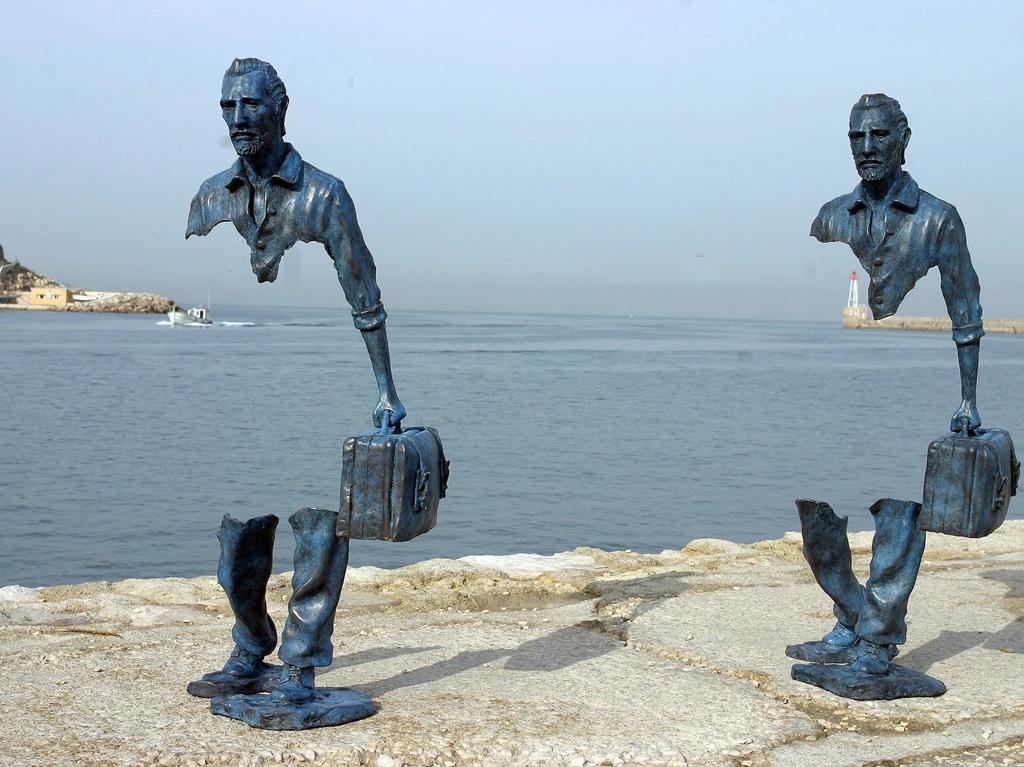
Another way sculpture entered the expanded field was through sculpture parks and land art. Sculpture parks are outdoor exhibition spaces where viewers can explore monumental contemporary works in natural settings, like Storm King in New York.
Land art also placed sculpture directly into landscapes as an artistic medium rather than formal exhibitions. Emerging in the late 1960s, land artists like Robert Smithson, Michael Heizer, and Nancy Holt created massive earthworks and sculptural interventions meant to shift perspectives on humanity’s relationship with nature.
Although much land art exists only in photographs, it hugely impacted sculpture’s evolution. Land art asserted sculpture’s site-specificity and connection to the environment. It also inspired later artists to continue using nature as a medium, material, and setting.
Sculpture and Architecture
Contemporary sculpture’s expansion beyond the plinth led to increasing integration with architecture. Both sculpture and architecture shape space to create physical environments, so artistic overlaps naturally occur.
Many renowned contemporary architects like Frank Gehry, Santiago Calatrava, Zaha Hadid, and Daniel Libeskind employ sculptural forms in their buildings. Some sculptors drift towards architectural projects, like Rachel Whiteread’s concrete house.
Sculptors often collaborate with architects to create site-specific commissions for new buildings. One famous example is Anish Kapoor’s Cloud Gate in Chicago’s Millennium Park. Other artists make functional furniture that straddles sculpture and design.
This blurring reflects a postmodern, experiential view of space and form shared across contemporary sculpture and architecture. It also fulfills the Constructivist desire to integrate art into the lived experience via functional objects and environments.
Reclaiming Craft in Contemporary Sculpture
Alongside conceptual approaches, there has also been a revival of hands-on materiality and craftsmanship in sculpture in contemporary art.
Using labor-intensive processes like welding, weaving, carving, casting, stitching, and modeling allows artists to shape meaning through intimate engagement with physical materials. Tactile made by hand. It creates a deeper connection between object makers.
Artists like Martin Puryear, El Anatsui, Ursula von Rydingsvard, and Doris Salcedo produce striking sculptures from wood, textiles, clay, paper, and other materials. Their works marry social commentary with masterful technique and sensitivity to their chosen medium.
This fusion of meaningful content with craft reasserts materiality’s emotional and conceptual impact. It upholds the sculpture’s historical foundations by giving form to matter by hand. Craft also counters technology’s dominance with the uniquely human qualities of patience, care, and touch.
The Influence of Technology
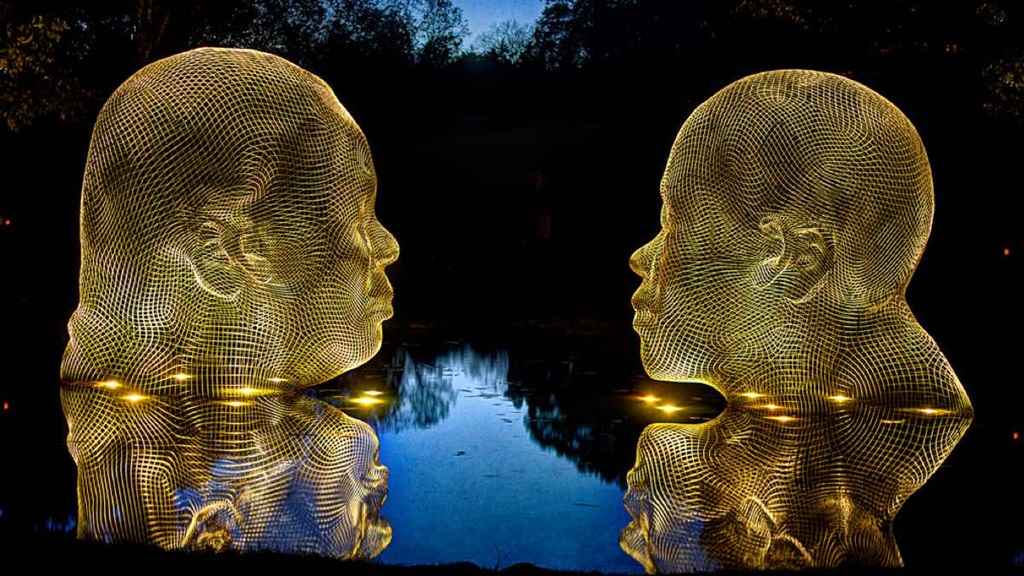
While craft reclaims the handmade, technology also permeates contemporary sculpture. Access to new materials, digital tools, multimedia platforms, and fabrication methods gives artists radical new means of creation.
3D printing now allows rapid prototyping of intricate forms once impossible to make by hand. Laser cutting, CNC milling, and waterjet cutting expand how sculpture engages with space and surface. Artists like Matthew Barney incorporate film, performance, and digital effects into elaborate mythological narratives.
Some theorists argue that an over-reliance on technology loses fundamental aspects of human expression unique to traditional sculpture. But most agree technology can be highly productive when melded thoughtfully with material sensitivity and conceptual depth.
Overall, contemporary sculptors deftly synthesize inventive uses of technology with traditional principles. This demonstrates how emerging innovations and ancient truths continue responding to one another as sculpture evolves.
Conclusion: The Enduring Vitality of Sculpture
Sculpture remains a pivotal form of contemporary art even as it transforms across radically new genres, spaces, materials, processes, and concepts. Its meaning expands and reconnects with ancient human desires to shape physical, tangible forms.
Contemporary sculptors answer the essential question: “How can artists engage the material world to instill meaning and provoke thought?” Their works reflect our hybrid time, where rapid technological progress coexists with enduring aspects of human consciousness and communities.
Audiences continue to be drawn to the sculpture’s undeniable physical presence. We intuitively respond to seeing ideas, emotions, and expressive possibilities realized in three-dimensional forms occupying real space. Sculpture’s inherent materiality makes it enduringly relevant even as art dematerializes into new virtual realms.
Sculpture in contemporary art offers a vital medium for artists to participate in cultural dialogues and philosophical questions around bodies, identities, materials, environments, systems of power, existence, and what it means to be human in a complex, technology-saturated world. Sculpture’s fundamental and evolving significance ensures it will continue pushing creative boundaries to shape meaningful physical forms far into the future.
Frequently Asked Questions (FAQs)
Q: How does contemporary sculpture differ from more traditional sculpture?
A: Contemporary sculpture is often more conceptual, abstract, aggressive, and socially engaged than past sculpture, focused on representational skills, beauty, and ornamentation. It utilizes many new materials and anti-traditional forms, often expanding into installation, performance, digital media, land art, architecture, and other disciplines.
Q: What makes a sculpture “contemporary” versus modern or postmodern?
A: There is an overlap between modern, postmodern, and contemporary sculpture. However, current generally refers to sculptures from around the 1960s until today. It often has a globalized outlook incorporating diverse materials, methods, and cultural perspectives.
Q: What are some unique materials used in contemporary sculpture?
A: Contemporary sculptors use everything from foam, plastic, fabric, cardboard, soil, leaves, ice, recycled materials, living plants, light, video, sound, language, and even human figures in performance. Materials not traditionally considered “artistic” are often incorporated and transformed by context.
Q: How has technology impacted contemporary sculpture?
A: Technology provides new fabrication methods like 3D printing and access to interactive media. Some sculptures incorporate digital components, video, sound, sensors, and virtual reality. Technology can enhance sculpture’s experiential impact but may also disconnect artists from physical materials and processes.
Q: Where can I view notable contemporary sculpture?
A: Major contemporary art museums, international exhibitions like Documenta, sculpture parks and gardens, public spaces in cities globally, and galleries/art fairs. Notable museums with recent sculpture collections include the Broad in Los Angeles, the Museum of Contemporary Art in Chicago, the Hirshhorn in Washington DC, Yorkshire Sculpture Park in England, and the National Gallery of Victoria in Melbourne.
Tags: contemporary art museum, institute of contemporary art miami, kemper museum of contemporary art, museum of contemporary art, museum of contemporary art chicago, museum of contemporary art denver, what is contemporary art



Leave a Reply