
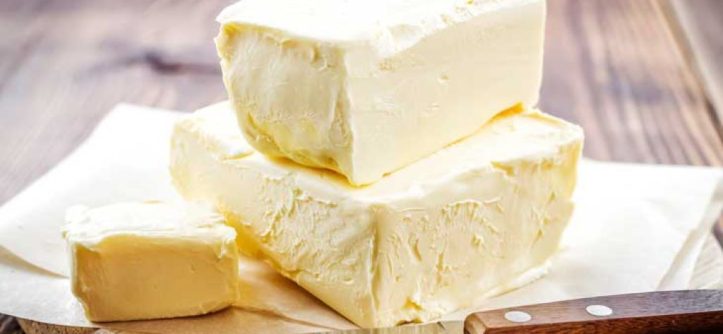
Butter is one of those staple ingredients that can last a while in your fridge or freezer if stored properly. But eventually, you will question if your butter has gone bad. The good news is that there are some easy ways to tell if your butter is still safe to eat or if it’s time to toss it out.
Signs Your Butter Has Gone Bad
Here are the top signs that the butter in your fridge has spoiled and should be thrown away:
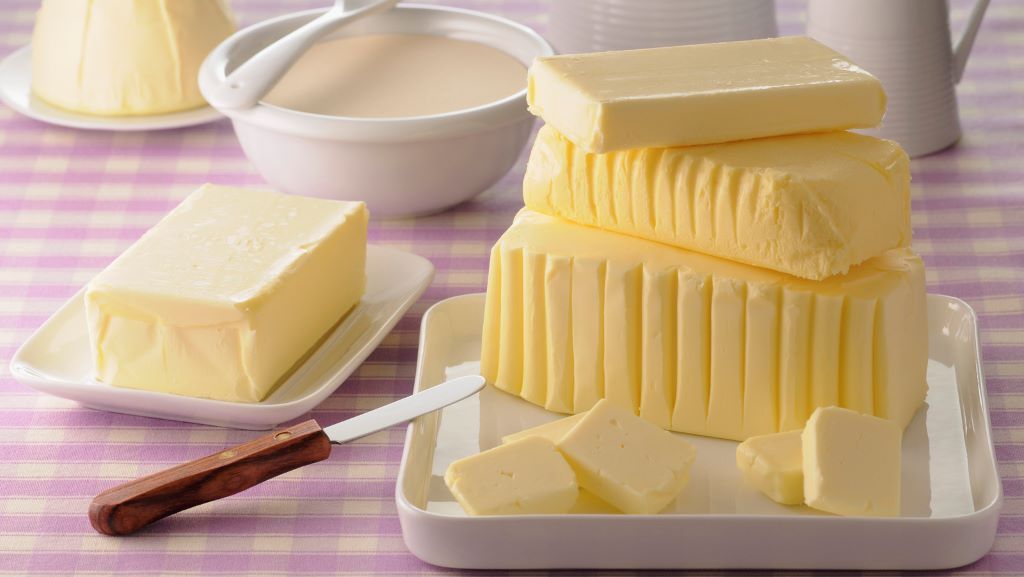
1. Rancid Smell
Your nose often knows best! If your butter smells sour, bitter, or unpleasant in any way, it has likely gone rancid. Rancid butter will have an “off” aroma versus good butter’s creamy, fresh scent.
2. Change in Color
Fresh butter is pale yellow. As it starts to spoil, it will become more whitish. Very old, spoiled butter might even take on a grayish tinge. This color change is due to oxidation and moisture loss.
3. Mold Growth
You open your butter tub and notice fuzzy black, green, or white mold spots. This is a sure indicator your butter has gone wrong. Mold proliferates on dairy products when left for too long. Don’t take any chances – moldy butter must be discarded.
4. Texture Change
Instead of being soft and creamy, your butter is grainy or feels almost curdled. The texture of rancid butter also tends to become more greasy or oily. This change in consistency means it’s time to get rid of that butter.
5. Expired Date
If the expiry date printed on your butter packaging has long passed, that’s typically a sign it shouldn’t still be in your fridge. While butter can sometimes last beyond its printed date, don’t take any chances. An expired date is generally a good reason to let go of that butter.
How Long Does Butter Last?
Now that you know how to identify lousy butter, you may wonder how long it can be kept before it goes bad. Here are some general guidelines on butter shelf life:
- Unopened Butter: Store-bought butter in its original packaging will last about 3-4 months past its printed expiration date when refrigerated. Aim to use refrigerated butter within a month or two of purchase for maximum freshness and flavor.
- Opened Butter: Once opened, butter should be used within 1-2 months for best quality. Write the date you opened it on the wrapper with a marker to help you keep track.
- Butter Stored at Room Temperature: Contrary to popular belief, leaving butter out on the counter does not necessarily make it rancid faster. Butter can safely be kept in a cool area (60-70°F) for two weeks before flavor and texture quality degrade. Once you notice any changes, throw it out.
- Frozen Butter: Properly frozen butter continuously kept at 0°F or below can last 6-9 months in the freezer before starting to go rancid. Ensure it is tightly wrapped in plastic or foil to prevent freezer burn.
- Clarified Butter: Because the milk solids have been removed, clarified butter lasts much longer than regular butter. Refrigerated clarified butter will stay suitable for up to a year.
Butter’s shelf life ultimately depends on proper storage methods. Keeping butter constantly refrigerated, tightly wrapped, and frozen when not used often will help extend its shelf life.
How to Store Butter Properly
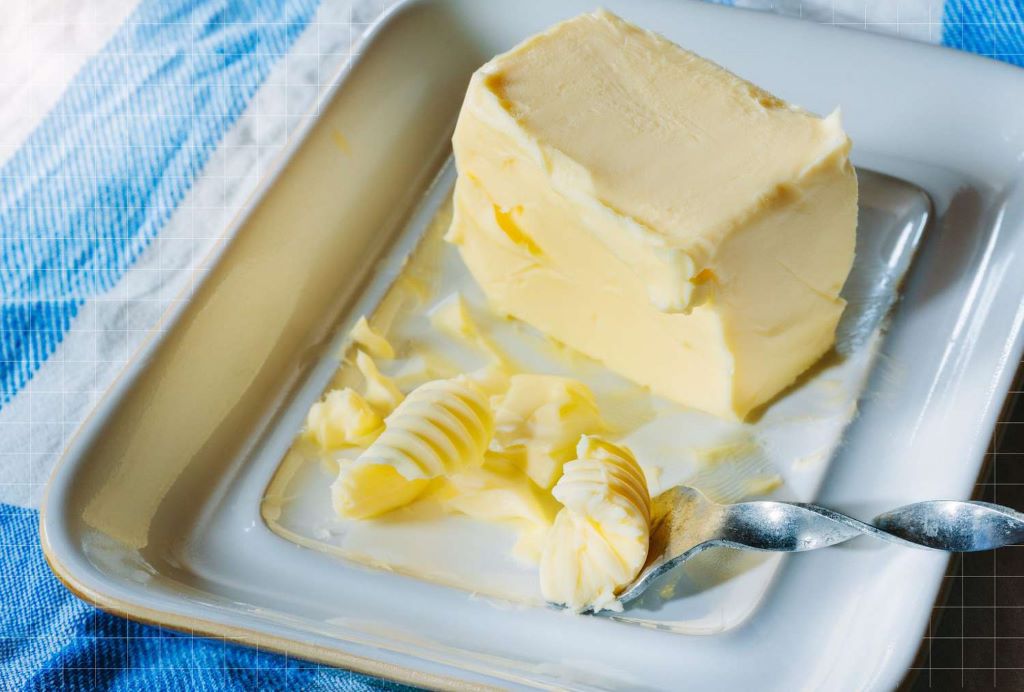
Storing your butter correctly is key to keeping it fresh longer and avoiding premature spoilage. Follow these butter storage tips:
- Keep it Cold – Refrigerate butter at 40°F or below, which helps prevent it from going rancid. For best quality, use refrigerated butter within 1-2 months.
- Minimize Air Exposure – Air causes butter to oxidize, so limit air contact as much as possible. Use a clean utensil each time you scoop butter to avoid introducing bacteria. Push out any excess air in the butter tub before sealing it closed. If freezing butter, wrap it tightly in plastic or foil with no air gaps.
- Avoid Light Exposure – Light also accelerates butter oxidation. If possible, store butter in its box in the fridge rather than clear containers. If storing clarified butter, use dark, opaque jars or bottles. Keep butter towards the back of the fridge, where it’s darker.
- Maintain Proper Freezer Temps – To freeze butter, set your freezer to 0°F or below. Use freezer-safe wrapping, such as plastic wrap or foil. Portion butter before freezing for easier thawing. Avoid freeze-thaw cycles, which degrade butter faster.
- Practice Good Hygiene – Always use clean utensils and hands when handling butter. Don’t let butter sit at room temperature for over 2 hours. Keep your fridge and butter storage areas sanitized.
Following proper butter storage guidelines will help ensure your butter lasts as long as possible before going rancid.
What Does Rancid Butter Taste Like?
You opened your butter tub and saw that the color was off. But what does rancid butter taste like? Here’s what to expect if you were to sample spoiled, rancid butter:
- Bitter and Sour: The flavor of rancid butter is best described as painful, harsh, and unpleasant. You’ll notice these flavors are nothing like fresh butter’s sweet, creamy taste.
- Metallic and Sharp: Besides bitter and sour notes, rancid butter may taste metallic, sharp, or even somewhat chemically. This is due to the breakdown of fats and the production of other flavor compounds.
- Pungent Odor: Rancid butter smells bad, so it’s no surprise that it tastes pungent and foul. The smell permeates the flavor. If you detect a rotten odor, the butter will taste nasty.
- Grainy Texture: Along with the rancid flavor, the texture of spoiled butter is gritty and grainy versus smooth and creamy when fresh. This grainy mouthfeel is due to the separation of milk solids.
- Lingering Aftertaste: If you accidentally ingest rancid butter, Be prepared for an unpleasant lingering aftertaste. This lingering bitterness and sourness will remind you to spit it out immediately next time.
The bottom line is that rancid butter does not taste good, to say the least. Your tastebuds are telling you to throw out that old, spoiled butter ASAP!
Is It Safe to Eat Rancid Butter?
You took a bite of toast spread with butter from your fridge and realized the butter tasted quite off. Should you be concerned? Is rancid butter dangerous to eat?
Here’s what you need to know about the safety of eating rancid butter:
- Not Immediately Toxic: Consuming small amounts of rancid butter will generally not make you violently ill right away or put you at immediate risk. So, there is no need to rush to the emergency room if you accidentally ingest mildly rancid butter.
- Digestive Upset Possible: Rancid butter can cause digestion issues, especially if you eat a larger quantity of very spoiled butter. Nausea, vomiting, cramps, and diarrhea are possible due to the degraded fats and bacterial growth.
- Foodborne Illness Risk: Dangerous foodborne pathogens like E. coli, Listeria, Salmonella, and Staphylococcus can develop in rancid butter over time. Consuming rancid butter increases your risk of food poisoning and foodborne illness.
- Higher Microbe Levels: Besides dangerous pathogens, rancid butter also harbors more elevated levels of general spoilage microorganisms that can make you sick when consumed.
- Not Worth the Risk: While rancid butter likely won’t kill you or cause dire illness instantly, why take any chances with your health? The potential digestive Upset and increased risk of foodborne illness make it wise to toss rancid butter.
Always remember – when in doubt, throw it out! Rancid butter is not worth the tummy troubles it might cause. Trust your nose and your tastebuds.
How to Use Up Butter Before It Goes Bad
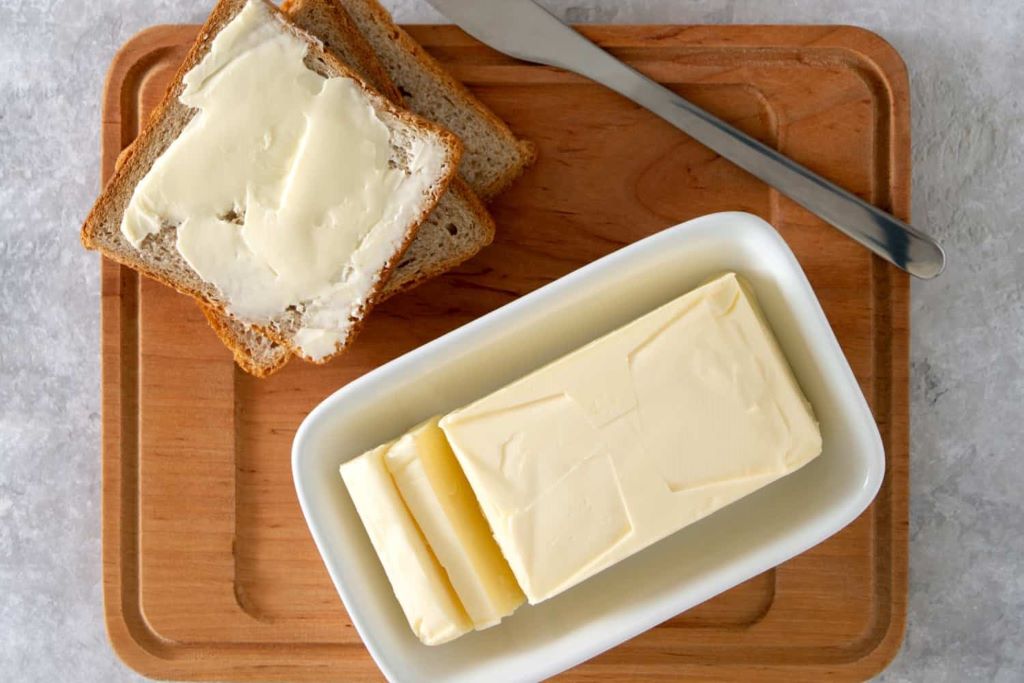
Hate to waste food? Here are some delicious ways to use up butter quickly before it goes wrong:
- Butter Baking: Butter is a staple baking ingredient. Use it to make cookies, scones, pie crusts, croissants, biscuits, cakes, muffins, and other baked goods. The options are endless!
- Compound Butter: Mix herbs, spices, honey, garlic, etc into softened butter. Shape into a log, chill, and slice to top meats, bread, corn, vegetables, and more. Compound butter also makes a lovely gift.
- Hollandaise Sauce: Transform your leftover butter into rich, velvety hollandaise sauce for eggs benedict, steamed veggies, seafood, and other dishes. Hollandaise can be made in large batches and refrigerated for up to a week.
- Buttered Popcorn: Pop up a batch of popcorn on the stove or with an air popper. Melt butter, mix desired herbs or spices, and drizzle it over the hot popcorn. Sprinkle with salt for an irresistible movie night snack.
- Sauté Vegetables: You can never go wrong sautéing veggies in butter. Cook green beans, brussels sprouts, asparagus, zucchini, and anything else you love in melted butter over medium heat until tender. The butter adds incredible flavor.
- Butter-Poached Shellfish: Melted butter is used to poach delicate shellfish like shrimp or scallops, keeping them tender and infusing them with buttery flavor. The shellfish and reduced poaching butter sauce are served over pasta or rice.
- Buttered Noodles: Boil any pasta until al dente. Drain, reserving some of the starchy cooking water. Toss noodles with slices of cold butter until melted and clingy. The starch and butter create a delectable coating.
- Butter Baked Potatoes: Poke russet or sweet potatoes with a fork and rub with butter, salt, and pepper. Bake at 350°F until tender, about 1 hour. The butter makes the potatoes fluffy inside and crispy outside.
With endless savory and sweet ways to use butter in cooking and baking, you can go through that stick of butter quickly before it ever has a chance to spoil!
FAQs
Q: Can you get sick from eating moldy butter?
A: It’s possible to get sick from eating moldy butter. Mold contains toxins that can cause illness. The mold has likely spread deep into the butter, so don’t try to cut away just the visible mold. Play it safe and discard the entire moldy butter product.
Q: Why does butter turn black?
A: Butter can turn black due to a harmless pigment called melanoidin that forms when milk sugars undergo the Maillard browning reaction. This isn’t a sign of spoilage. However, it should be discarded if the black butter smells rancid or tastes off.
Q: Is light butter healthier than regular butter?
A: There’s no significant nutritional difference between light and regular butter. Light butter has more air whipped into it, reducing overall fat and calorie content per serving. Neither type of butter is considered a “healthy” choice.
Q: Can you freeze butter twice?
A: Free, thaw, and refreeze butter is not recommended. The extra freezing and thawing degrades butter quality. For best results, portion butter before initially freezing so you can thaw only what you need to use.
Q: What happens if you leave butter out overnight?
A: Leaving butter on the counter overnight in cool room temperatures is generally acceptable. But if left for over 8 hours above 70°F, toss it to be safe. Keep refrigerated butter in a covered butter dish for up to a week.
Conclusion
There are definite signs that indicate your butter has gone wrong and should be discarded. Trust your senses of smell, sight, and taste above all else. If butter smells or tastes rancid or “off” in any way, err on the side of caution for food safety and throw it away. Explore our 5 best recipes for diet, perfect for using your well-stored butter. With proper refrigerated storage and freezing, butter can last for months. But if you’re ever uncertain about the safety of older butter, remember – when in doubt, toss it out, and keep your diet meals fresh and delicious!
Tags: butter quality, cooking essentials, culinary advice, dairy products, food safety, freshness checks, health tips, home cooking, kitchen tips, spoilage signs


Leave a Reply