
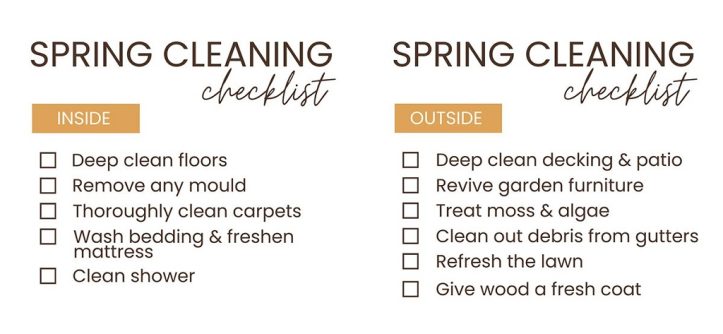
Spring cleaning is more than just a seasonal chore—it’s an opportunity to refresh your home and create a healthier, more comfortable environment. As the weather warms and daylight lingers, many of us feel a natural urge to declutter, deep clean, and reorganize. A spring cleaning checklist helps you approach this task in a structured way, making sure no corner of your home is overlooked. Instead of random tidying, it ensures every room gets attention, from scrubbing hidden areas to refreshing fabrics and updating storage. Beyond appearances, spring cleaning removes dust, allergens, and mold that can build up during winter, improving air quality and overall well-being.
This guide offers a complete checklist, answering common cleaning questions, and providing clear steps to help you get organized. Whether you’re tackling a small apartment or a family home, the following questions and answers will break the process into manageable pieces so you can welcome the new season with a cleaner, brighter living space.
How Should You Start Spring Cleaning?
Begin with a plan and gather your supplies before diving into cleaning.
The first step is preparation. Walking into spring cleaning without a clear plan often leads to half-finished tasks and frustration. Make a room-by-room checklist and decide whether you’ll tackle it over a weekend or spread it across several days. Collect all supplies ahead of time: microfiber cloths, multipurpose cleaner, gloves, mop, vacuum, and trash bags. This way, you won’t waste time running back and forth.
- Create a checklist for each room.
- Gather cleaning tools and products in a portable caddy.
- Decide on your schedule—one room per day works for many.
Which Rooms Should You Clean First?
Start with the spaces you use the most, such as the kitchen and living room.
Focusing on high-traffic areas ensures you see quick results, which can keep you motivated. Begin with the kitchen, living room, or entryway since these areas collect the most dust, dirt, and clutter. Bedrooms and bathrooms can follow, with storage areas like closets and garages saved for later in the process.
A suggested order is:
- Kitchen
- Living room
- Bedrooms
- Bathrooms
- Closets and storage
- Garage and outdoor spaces
What Are Essential Kitchen Spring Cleaning Tasks?
Focus on appliances, cabinets, and hidden areas often ignored in daily cleaning.
The kitchen is the heart of the home but also a magnet for grease, crumbs, and clutter. Deep cleaning here involves more than wiping counters. Start by emptying the fridge and pantry, discarding expired items, and wiping shelves. Clean the oven, microwave, and stovetop thoroughly, including burners and filters. Don’t forget to wipe down cabinet doors, clean under appliances, and sanitize the sink.
- Defrost and clean the freezer.
- Wipe the inside and outside of appliances.
- Scrub grout between tiles.
- Organize pantry by category.
- Replace old sponges and dish towels.
How Do You Refresh the Living Room?
Dust surfaces, clean upholstery, and refresh fabrics for a brighter look.
Start with the dusting. Ceiling fans, shelves, blinds, and baseboards often get overlooked during routine cleaning. Vacuum or steam-clean furniture, including cushions and rugs. Wash curtains or replace them with lighter fabrics to match the season. If you have hardwood floors, polish them to bring back shine. Finally, rearrange décor or add fresh plants to liven up the space.
What Should You Do in Bedrooms During Spring Cleaning?
Rotate bedding, clear clutter, and deep clean hidden spots like under the bed.
Bedrooms benefit from a reset in spring. Wash pillows, duvets, and mattress protectors, not just sheets. Flip or rotate your mattress to extend its life. Sort through closets and donate clothes you haven’t worn in a year. Dust lampshades, vacuum under furniture, and clean windows for maximum light. A refreshed bedroom supports better sleep and mental clarity.
How Can Bathrooms Feel Like New Again?
Scrub tiles, sanitize fixtures, and replace worn-out items.
Bathrooms harbor moisture, making them prone to mold and buildup. Start by scrubbing grout lines with a mix of baking soda and vinegar. Clean showerheads and faucets to remove mineral deposits. Replace shower curtains if moldy, and wash bath mats. Organize toiletries, tossing expired products. For a fresh feel, consider swapping old towels for new ones in seasonal colors.
What About Closets and Storage Areas?
Declutter, donate, and reorganize for efficiency.
Storage spaces can quickly become catch-all areas. Use the “keep, donate, discard” method for clothes, shoes, and miscellaneous items. Invest in bins, labels, and vertical organizers. Seasonal rotation helps—store winter coats and boots neatly so you can access spring and summer items more easily. This process clears visual clutter and reduces stress when getting dressed or finding things.
How Should You Handle Outdoor Spaces?
Tidy patios, sweep pathways, and refresh outdoor furniture.
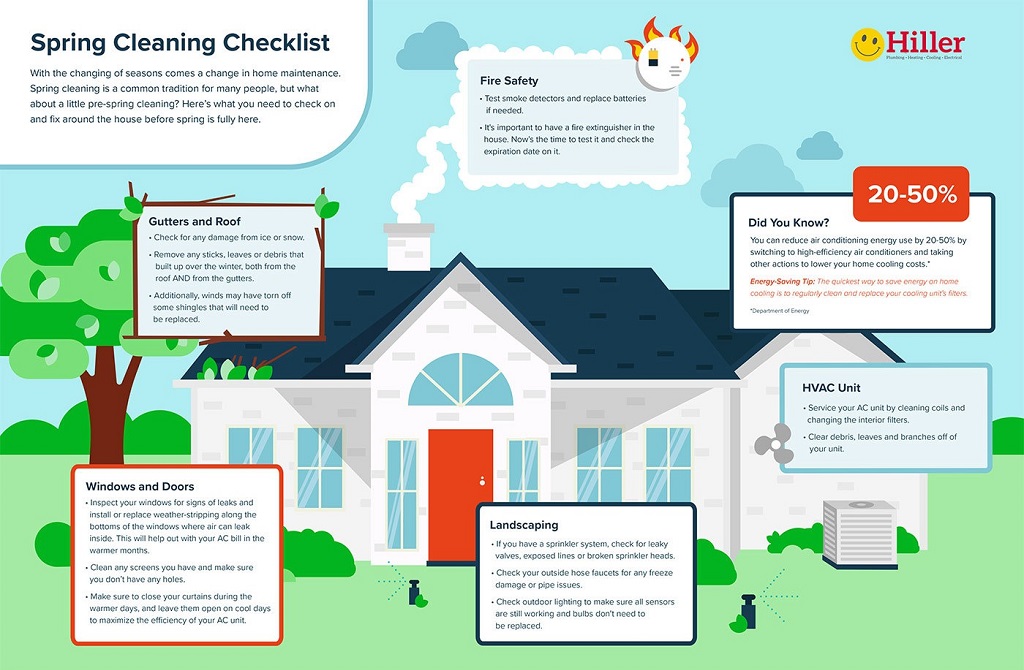
Outdoor areas are often neglected until summer. Sweep porches, patios, and decks. Power wash outdoor furniture or give it a quick wipe. Check gutters for debris and trim plants that may have grown too close to walkways. If you have a garden, clear dead leaves and add new soil or mulch to flower beds. This creates a welcoming space for outdoor gatherings.
What Supplies Make Spring Cleaning Easier?
Multipurpose cleaners, microfiber cloths, and organization tools are must-haves.
Having the right tools makes cleaning more efficient. A few essentials include:
- All-purpose cleaner for most surfaces
- Microfiber cloths for dusting and polishing
- Vacuum with attachments for tight spots
- Scrub brushes for grout and tiles
- Storage bins, labels, and hangers for organization
Conclusion: How Can Spring Cleaning Change Your Home and Mindset?
Spring cleaning is more than surface-level tidying—it’s a reset for both your home and your mind. By following a clear checklist, you’ll remove built-up clutter, improve air quality, and create a healthier environment for your family. The process also brings a sense of accomplishment and a fresh perspective, setting the stage for a productive season ahead.
If you’ve been putting it off, start small today. Choose one room, follow the steps, and see how quickly small wins add up. Ready to refresh your home? Grab your checklist and begin your spring cleaning journey now.
FAQs: What Do People Ask About Spring Cleaning?
How often should I do deep cleaning?
Deep cleaning is recommended once a year, but high-traffic areas like kitchens and bathrooms benefit from extra sessions every few months.
Do I need professional cleaners for spring cleaning?
Not always. With the right tools and time, most households can manage it themselves. Professionals help if you need a faster or more thorough job.
What’s the best way to stay motivated?
Break tasks into smaller chunks, play music, or set a timer. Seeing progress room by room keeps energy high.
Is eco-friendly cleaning effective?
Yes. Natural cleaners like vinegar, baking soda, and lemon can clean effectively without harsh chemicals.
How long does spring cleaning take?
It depends on your home size and clutter level. A small apartment may take a day, while larger homes can require several days or weekends.
Should I involve my family?
Definitely. Assigning age-appropriate tasks not only makes cleaning faster but also teaches responsibility.
What’s the difference between regular cleaning and spring cleaning?
Regular cleaning focuses on surface maintenance, while spring cleaning targets hidden dirt, deep scrubbing, and reorganization.




Leave a Reply