
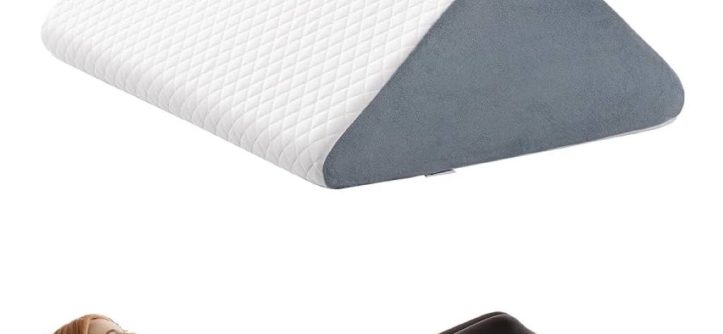
After any surgery, your body needs the right support to heal quickly and comfortably. A good recovery wedge pillow lifts your upper body or legs at the perfect angle, eases swelling, improves breathing, and stops you from rolling onto painful areas at night. In fact, studies show that elevated sleeping positions after procedures like heart surgery or acid reflux treatment can cut recovery complications by up to 30% (American Heart Association & NIH data). The right pillow makes all the difference.
One standout option many patients love is the Kingfun Orthopedic Bed Wedge Pillow Set from Peak Pillows – a versatile recovery wedge pillow that works for both head elevation and leg support.
Why You Need a Wedge Pillow After Surgery
Doctors often tell patients to sleep with their head or legs raised. Gravity helps drain fluid, reduces pressure on incisions, and opens airways. Traditional pillows slide away or flatten overnight. Wedge pillows stay put and give steady, reliable elevation.
Moreover, they help with common post-op issues. Swelling drops faster. Pain feels lighter. You breathe easier. Sleep improves. All of these speed healing.
Top Benefits of Using a Recovery Wedge Pillow
Patients who use wedge pillows after surgery report real gains. Here are the biggest ones:
- Reduces acid reflux and heartburn after abdominal or chest surgery
- Lowers swelling in legs after knee, hip, or vein procedures
- Supports the spine and prevents painful twisting
- Improves oxygen flow after lung or heart operations
- Eases shoulder and neck pain after rotator cuff or breast surgery
- Stops you from lying flat too soon after spinal or back surgery
Additionally, many users wake up with less morning stiffness and fewer trips to the bathroom from fluid buildup.
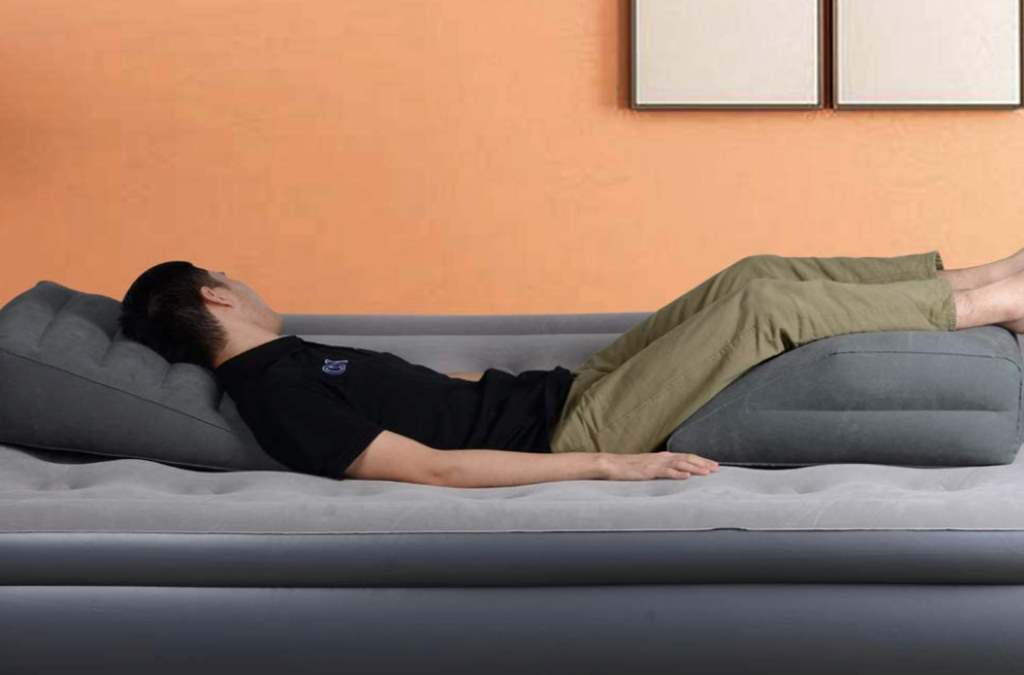
How to Choose the Best Post-Surgery Wedge Pillow
Not all wedge pillows work the same. Look for these key features:
Firmness and Support Level
Soft foam collapses under weight. Medium-firm memory foam or high-density polyfoam holds shape all night. Your body weight matters – heavier people need firmer support.
Height and Incline Angle
Most doctors recommend 30–45 degrees for upper body elevation. That equals 7–12 inches of height at the top. Leg wedges usually run 8–10 inches high.
Size Options
Full-size wedges (24–30 inches wide) fit most adults. King-size versions give extra room for side sleepers or couples.
Removable, Washable Cover
Surgery means bandages, ointments, and sweat. A zip-off, machine-washable cover keeps everything clean.
Multi-Piece or Foldable Design
Sets with two or three pieces let you stack for higher elevation or separate for legs and head at the same time.
Best Types of Wedge Pillows for Different Surgeries
After Heart or Acid Reflux Surgery
You need tall, wide elevation for the torso. A 10–12 inch wedge with gentle slope works best. Many patients pair it with a small knee pillow to stop sliding down.
After Knee or Hip Replacement
Leg elevation pillows (usually 8–10 inches) reduce swelling fast. Look for contoured styles that cradle the calves and keep knees slightly bent.
After Spinal or Back Surgery
Flat sleeping can strain incisions. A wide body wedge or adjustable set keeps the spine neutral without twisting.
After Shoulder or Neck Surgery
Smaller 7–8 inch wedges under the upper back take weight off the shoulder while you sleep on your back.
After Breast or Chest Surgery
Gentle 30–35 degree incline opens the chest and reduces pressure on incisions. Soft velvet covers feel kind to sensitive skin.
How to Use Your Recovery Wedge Pillow Correctly
Placement matters. Follow these steps:
- Put the high end under your torso for upper body elevation or under your knees for leg elevation.
- Center your body so shoulders stay on the slope (not hanging off).
- Add a thin regular pillow on top for neck support if needed.
- Use a small pillow between knees if you roll to the side.
- Start with lower height the first few nights, then increase as comfort grows.
Furthermore, doctors suggest staying elevated for at least the first 1–2 weeks after most procedures.
Common Mistakes to Avoid
Many patients lose the benefits because of simple errors:
- Choosing a wedge that is too short or too steep
- Placing regular pillows under the wedge (it becomes unstable)
- Sleeping completely on the side right after surgery
- Forgetting to wash the cover weekly
- Removing the wedge too early before the doctor clears flat sleeping
Avoid these pitfalls and you heal faster.
Related:
Best Momcozy Nursing Pillow: Our Honest Review and Buying Guide
Cleaning and Care Tips
Keep your pillow fresh with these easy steps:
- Remove the cover and wash in cold water every 7–10 days
- Spot-clean foam with mild soap if needed (never soak the foam)
- Air dry completely before putting the cover back
- Use a waterproof mattress protector under the wedge for extra safety
Proper care extends the life of your pillow and keeps skin happy during recovery.
Real Patient Stories
Sarah, 48, had gastric sleeve surgery. “The first week I tried stacking regular pillows. I woke up flat every time with terrible reflux. The day I got my recovery wedge pillow everything changed. I slept six hours straight for the first time.”
Mike, 62, recovered from double knee replacement. “My legs looked like balloons. Ten minutes on the leg wedge and the swelling started dropping. By day five I could walk without the walker.”
These stories repeat across forums and recovery groups. The right support truly speeds healing.
When to Upgrade or Replace Your Wedge Pillow
Replace your pillow if:
- Foam feels soft or lumpy after 2–3 years
- You notice permanent body impressions
- The cover no longer zips properly
- Odors stay even after washing
A fresh, firm pillow gives the best support when you need it most.
Conclusion
The best post-surgery wedge pillow for faster recovery combines the right height, firm support, and easy-care features that match your specific operation. It reduces pain, cuts swelling, and helps you rest deeply – exactly what your body needs to heal.
Take action today. Choose a quality recovery wedge pillow that doctors and thousands of patients trust. Your future self will thank you every comfortable night.
FAQs
How long should I use a wedge pillow after surgery?
Most surgeons recommend 2–6 weeks of elevated sleeping, depending on the procedure. Always follow your doctor’s specific guidance.
Can I use a wedge pillow if I sleep on my side?
Yes, but choose a wider model (27–30 inches) and add a body pillow or knee pillow to stay aligned. Many side sleepers still benefit from gentle elevation.
Is memory foam or regular foam better for recovery?
High-density polyfoam often wins for recovery because it stays firm longer and resists sagging under body weight.
Will a wedge pillow help with snoring after surgery?
Absolutely. Elevating the head opens airways and reduces snoring or sleep apnea symptoms that sometimes worsen after anesthesia.
Can I travel with my recovery wedge pillow?
Look for foldable or inflatable travel versions. Many patients bring a smaller 7–8 inch wedge on trips during the first month of recovery.
References
- American Heart Association – Elevated positioning after cardiac surgery: https://www.heart.org
- National Institutes of Health – Post-operative reflux management: https://www.ncbi.nlm.nih.gov/pmc/articles/PMC7452675/
- Journal of Orthopaedic Nursing – Leg elevation after lower extremity surgery: https://www.journaloforthopaedicnursing.com




Leave a Reply