
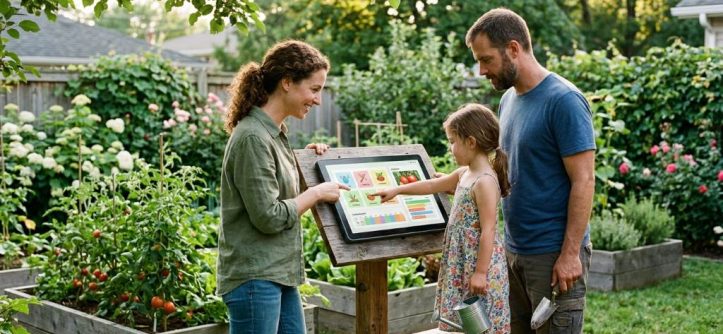
Miami families enjoy warm weather and green landscapes almost all year. However, the tropical climate also brings heavy rain, strong sun, and high humidity that affect backyard plants daily. According to the National Weather Service, Miami receives more than 60 inches of rainfall annually, while summer temperatures often stay above 88°F. Because of these conditions, homeowners need a reliable plant care routine that works through every season. Many residents now follow a structured smart care system combined with a daily garden maintenance checklist to keep outdoor spaces healthy and organized. This guide explains practical schedules and simple strategies used by families across Miami, FL.
Why Miami Gardens Need a Smart Plant Care Schedule
Miami’s climate creates fast plant growth throughout most of the year. However, constant heat and moisture also encourage weeds, fungus, and pests. Families who follow a regular care schedule usually prevent larger landscaping problems before they start. As a result, plants stay greener and healthier with less stress.
Many Miami homeowners also manage different plant types in one backyard. Tropical flowers, palm trees, herbs, and vegetables often grow together in limited space. Therefore, a smart schedule helps balance watering, trimming, and feeding without wasting time. Organized care also reduces water use during hotter months.
Backyard landscaping in Miami often faces sudden weather changes. One week may bring heavy rain, while another produces dry heat and strong winds. Because of this, flexible routines work better than random maintenance habits. Families who adjust tasks weekly usually see better long-term plant health.
Smart schedules also support busy lifestyles. Parents often need simple systems that fit around work and school routines. Short daily tasks combined with weekly maintenance create a manageable approach for the whole family. In many cases, children also help with watering and small garden jobs.
Daily Plant Care Routine for Miami Families
Morning Watering Habits
Most Miami families water plants early in the morning before temperatures rise. Cooler hours help soil absorb moisture without rapid evaporation. In addition, leaves dry faster after sunrise, which reduces fungal growth. This simple timing change improves plant health significantly.
Families usually avoid nighttime watering because Miami humidity already stays high after dark. Wet leaves overnight often attract mold and mildew problems. Therefore, morning watering remains the safest option for tropical gardens. Many homeowners also use drip irrigation systems for better control.
Container plants need closer attention during hot weeks. Pots dry faster because direct sunlight heats the soil quickly. As a result, families often check moisture levels every morning. Simple finger tests help determine whether plants need extra water.
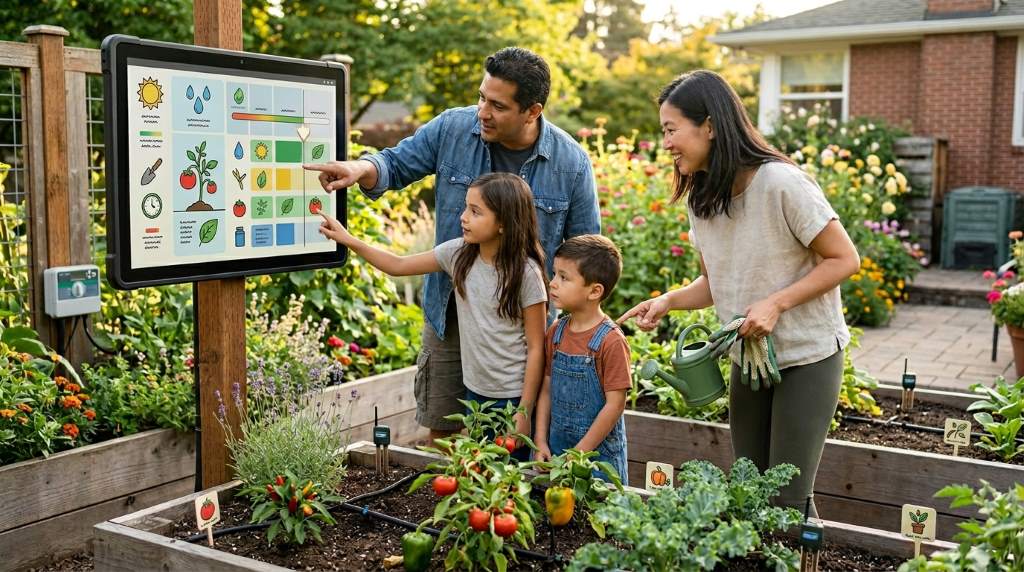
Many homeowners now use smart irrigation timers. These systems adjust watering schedules based on rainfall and temperature. Consequently, gardens receive consistent moisture without wasting water. Automated systems also save time for busy households.
Quick Backyard Inspections
Daily inspections help families spot problems before they spread. Most homeowners spend five to ten minutes checking leaves, stems, and soil conditions. Early signs of pests or disease become easier to manage with fast action. Therefore, small inspections prevent expensive landscaping issues later.
Families often look for yellow leaves, insect holes, or unusual spots. Miami’s humid environment encourages rapid fungal growth during summer. Because of this, quick daily checks protect nearby plants from infection. Healthy gardens usually depend on early detection.
Parents also teach children to identify simple warning signs. Kids often help remove dead leaves or fallen branches during inspections. This shared routine keeps the backyard cleaner and more organized. Moreover, it encourages outdoor activity for the whole family.
Daily observation also helps homeowners understand seasonal changes better. Some plants require extra shade during extreme summer heat. Others need additional watering during windy periods. Consistent monitoring makes these adjustments easier and more effective.
Weekly Backyard Plant Care Tasks
Lawn and Soil Maintenance
Weekly lawn care remains important for Miami landscapes. Grass grows quickly because warm temperatures continue most of the year. Therefore, families usually mow lawns once every seven days during active growing seasons. Consistent mowing also keeps pests away from overgrown areas.
Soil checks help prevent drainage issues caused by tropical rainstorms. Many homeowners loosen compacted soil around flower beds weekly. This process improves airflow and root growth naturally. Healthy soil also absorbs nutrients more efficiently.
Families often add mulch around plants every few weeks. Mulch protects roots from strong sunlight and reduces water evaporation. In addition, it limits weed growth throughout the backyard. Organic mulch also improves soil quality over time.
Composting remains popular among environmentally conscious homeowners. Kitchen scraps and yard waste create nutrient-rich material for garden beds. Consequently, families reduce waste while feeding plants naturally. Compost also improves moisture retention in sandy Miami soil.
Pruning and Trimming
Weekly trimming keeps backyard plants neat and healthy. Miami’s fast-growing tropical plants often become overgrown quickly without regular maintenance. Therefore, families remove dead leaves and weak branches consistently. Pruning also encourages stronger new growth.
Palm trees require special attention during storm season. Loose fronds may fall during strong winds or hurricanes. As a result, homeowners often inspect palms weekly for safety reasons. Professional trimming may become necessary for taller trees.
Flowering plants benefit from deadheading routines. Removing old blooms helps plants produce new flowers faster. Many Miami families follow this habit to maintain colorful backyards year-round. Healthy blooms also improve curb appeal significantly.
Herb gardens need regular harvesting as well. Basil, mint, and oregano grow rapidly in Miami’s warm climate. Frequent trimming prevents herbs from becoming woody or overcrowded. Fresh herbs also provide useful ingredients for family meals.
Seasonal Plant Care Schedule in Miami, FL
Spring Garden Preparation
Spring marks an active growing period for Miami landscapes. Families often prepare garden beds between March and May before summer heat arrives. During this season, homeowners plant tropical flowers, vegetables, and herbs successfully. Warm temperatures create ideal growing conditions.
Spring fertilizing helps plants recover from cooler winter months. Many homeowners use slow-release fertilizers for steady nutrient support. As a result, plants grow stronger before intense summer weather begins. Organic fertilizers also protect local soil quality.
This season also works well for pest prevention treatments. Insects become more active as temperatures rise steadily. Therefore, early prevention methods help avoid large infestations later. Natural pest control options remain popular among families with pets and children.
Spring inspections often focus on irrigation systems too. Families check sprinkler heads and drip lines before heavy summer use. Proper maintenance prevents water waste and uneven coverage. Efficient irrigation also lowers monthly utility costs.
Summer Heat Management
Summer brings Miami’s hottest temperatures and heaviest rainfall. Plants face stress from intense sunlight combined with high humidity. Therefore, families adjust watering schedules carefully during this season. Extra attention helps prevent root damage and fungal disease.
Shade management becomes important for sensitive plants. Some homeowners install shade cloths over vegetable gardens during peak afternoon heat. This protection reduces leaf burn and moisture loss effectively. Tropical plants usually tolerate summer weather better than delicate species.
Heavy rainstorms may flood certain backyard areas. Families often improve drainage around vulnerable plants before hurricane season begins. Raised garden beds also help reduce waterlogging problems. Healthy drainage systems protect roots from rot.
Summer also increases mosquito activity around standing water. Homeowners regularly empty containers and clean gutters to reduce breeding areas. Consequently, backyards stay safer and more comfortable for outdoor activities. Proper maintenance also supports healthier garden conditions.
Fall and Winter Maintenance
Miami winters remain mild compared to most cities in the United States. However, cooler temperatures still affect certain tropical plants. Families often reduce watering frequency during late fall and winter months. Slower plant growth requires less moisture overall.
Fall remains a great time for planting shrubs and trees. Cooler weather allows roots to establish without extreme heat stress. Therefore, many homeowners begin landscaping projects during this season. New plants usually adapt better before summer arrives again.
Winter pruning helps shape trees and bushes before spring growth starts. Families remove damaged branches caused by storms or disease. This process encourages healthier development during warmer months. Clean cuts also improve overall backyard appearance.
Cold snaps occasionally affect sensitive tropical species in Miami. Some families use protective coverings during rare temperature drops below 50°F. Portable potted plants often move indoors temporarily. These precautions prevent costly plant loss.
Smart Technology Used in Miami Backyard Gardens
Modern Miami families increasingly use smart gardening tools. Automated irrigation systems remain one of the most popular upgrades for residential backyards. These systems adjust watering schedules based on weather conditions automatically. Consequently, homeowners save both water and maintenance time.
Smart moisture sensors also improve plant care accuracy. Devices measure soil moisture levels and send updates through mobile apps. Therefore, families avoid overwatering and underwatering problems easily. Real-time monitoring creates healthier growing conditions.
Weather tracking apps help homeowners prepare for tropical storms and heat waves. Families often adjust schedules based on upcoming forecasts. This planning reduces stress on plants during severe weather events. Timely preparation also prevents property damage.
Solar-powered garden lights and timers support outdoor efficiency as well. Many families combine landscaping beauty with energy-saving technology. Smart lighting improves backyard safety during evening hours. Additionally, automated systems reduce electricity use throughout the year.
Best Backyard Plants for Miami Family Homes
Low-Maintenance Tropical Plants
Many Miami families choose low-maintenance plants for easier schedules. Crotons, hibiscus, and bird of paradise thrive in warm tropical conditions naturally. These plants tolerate heat and humidity better than delicate species. As a result, homeowners spend less time managing problems.
Bougainvillea remains another popular choice across South Florida. It grows quickly and produces bright colorful blooms throughout the year. However, occasional trimming helps control aggressive growth. Strong sunlight usually improves flowering performance.
Areca palms provide privacy while requiring minimal care. Families often use them as natural backyard screens around patios and pools. Regular watering and occasional fertilizing keep palms healthy. Their tropical appearance also increases property appeal.
Snake plants and bromeliads work well in partially shaded spaces. These plants tolerate inconsistent watering better than many tropical varieties. Therefore, they fit busy family schedules perfectly. Both options also resist common pest issues effectively.
Family-Friendly Vegetable Gardens
Vegetable gardening continues growing in popularity among Miami households. Warm weather allows families to grow tomatoes, peppers, cucumbers, and herbs successfully. Raised beds often improve drainage and organization. Homegrown produce also supports healthier eating habits.
Many families start small gardens near patios or fences. Compact layouts make watering and harvesting easier for children. In addition, raised beds reduce bending and physical strain for adults. Organized spaces also simplify maintenance routines.
Companion planting helps improve vegetable garden performance naturally. Basil near tomatoes may discourage certain pests while improving growth conditions. Therefore, families often combine herbs and vegetables strategically. Natural methods also reduce chemical use around children and pets.
Regular harvesting encourages continued production throughout the season. Families usually pick ripe vegetables every few days during active growth periods. Fresh produce tastes better when harvested at peak ripeness. Gardening together also creates valuable family experiences outdoors.
Common Backyard Plant Care Mistakes in Miami
Overwatering remains one of the biggest mistakes among Miami homeowners. Frequent rain already supplies significant moisture during many months. Therefore, additional watering sometimes causes root rot and fungal disease. Smart schedules help prevent these unnecessary problems.
Many families also ignore soil drainage conditions. Sandy Miami soil drains quickly in some areas but poorly in others. As a result, homeowners should test different backyard zones separately. Customized care creates better long-term plant health.
Improper pruning techniques often damage tropical plants as well. Cutting too much foliage during hot weather may stress plants severely. Therefore, light and regular trimming works better than aggressive cutting. Proper timing also supports stronger recovery.
Some homeowners plant species unsuited for South Florida’s climate. Delicate plants from cooler regions often struggle with Miami humidity and heat. Choosing climate-appropriate varieties reduces maintenance significantly. Local nurseries usually recommend reliable options for residential gardens.
Building a Sustainable Backyard Care Routine
Sustainability now plays a major role in modern backyard care. Many Miami families reduce chemical fertilizer use by choosing organic alternatives. Compost and natural mulch improve soil health gradually over time. Consequently, gardens become healthier and more environmentally friendly.
Rainwater collection systems also support sustainable landscaping. Barrels store water during Miami’s frequent storms for later garden use. This practice lowers utility bills while conserving resources. Families also appreciate the emergency water supply during dry periods.
Native plants require less maintenance because they already adapt to local conditions. Firebush, coontie, and muhly grass thrive naturally in South Florida landscapes. Therefore, homeowners spend less money on watering and fertilizers. Native species also support local wildlife and pollinators.
Simple routines often create the best long-term results. Families who follow consistent schedules usually avoid emergency landscaping problems. Small daily tasks combined with weekly maintenance produce healthier backyards year-round. Organized care also makes gardening more enjoyable for everyone.
Conclusion
A smart backyard plant care schedule helps Miami families maintain healthy and beautiful outdoor spaces throughout the year. Consistent watering, seasonal planning, and simple daily inspections reduce stress while improving plant growth. Families who use climate-specific strategies often save time, water, and landscaping costs over the long term. Smart technology and sustainable gardening habits also make maintenance easier for busy households. Start building your own Miami backyard care routine today and create a greener, healthier outdoor space your family can enjoy every season.
FAQs
How often should Miami families water backyard plants?
Most backyard plants in Miami need watering two to four times weekly depending on rainfall and temperature.
What is the best time to water plants in Miami?
Early morning remains the best time because cooler temperatures reduce evaporation and fungal growth.
Which backyard plants grow best in Miami weather?
Hibiscus, crotons, bougainvillea, palms, and tropical herbs grow very well in Miami’s climate.
Do Miami gardens need fertilizer year-round?
Most plants benefit from fertilizing during spring and summer when active growth increases significantly.
How can families reduce pests naturally in backyard gardens?
Regular inspections, companion planting, and proper watering help control pests without heavy chemical use.
Related Reads
Learn: Sampling and how to sign off on a clean site
Discover: Top ways to upgrade your garden on a budget
Read more: Philadelphia Garden Tools & Equipment Reviews – What Works for City Gardens



Leave a Reply