
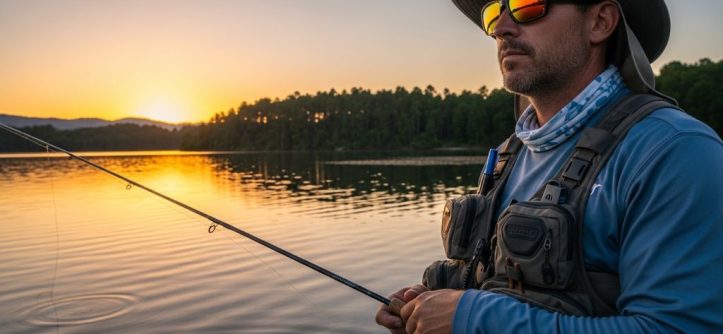
Fishing is more than a hobby. It is an experience that depends on clarity, comfort, and protection. One essential piece of gear is a good pair of fishing sunglasses. However, not all sunglasses are equal. Some may look stylish but fail on performance. Others may protect your eyes but feel uncomfortable over time. Therefore, knowing how to identify premium options is crucial.
This guide will help you understand what makes fishing sunglasses worth your money. You will learn how to evaluate features, materials, and performance. By the end, you will be able to choose wisely.
Why Fishing Sunglasses Matter
Fishing sunglasses are not just for style. They protect your eyes from harsh sunlight, glare, and harmful UV rays. Additionally, they improve visibility in the water.
When you wear the right pair, you can spot fish more easily. You also reduce eye strain during long hours outdoors. Therefore, investing in proper outdoor eyewear is essential for both comfort and performance.
Key Features of Premium Fishing Sunglasses
Lens Quality and Clarity
The most important part of any fishing sunglasses is the lens. High-quality lenses offer clear vision without distortion. They allow you to see beneath the water surface.
Premium lenses also enhance contrast. This makes it easier to identify fish, structures, and movements in the water.
Additionally, look for lenses that maintain clarity in different lighting conditions. This is especially useful during early morning or late afternoon fishing trips.
Polarization Technology
Polarized lenses reduce glare from the water surface. This is one of the most important features for fishing.
Without polarization, sunlight reflecting off water can block your vision. However, polarized lenses cut through that glare.
As a result, you get a clearer and more detailed view of what is happening below the surface.
UV Protection
Good fishing sunglasses should block 100% of harmful UV rays. Prolonged exposure to UV rays can damage your eyes.
Therefore, always check for UV400 protection or similar standards. This ensures your eyes remain safe even during long fishing sessions.
Frame Design and Comfort
Lightweight Construction
Comfort is key when you wear sunglasses for hours. Lightweight frames reduce pressure on your nose and ears.
Additionally, they prevent fatigue during extended use. Materials like nylon or polycarbonate are often used in premium designs.
Durability and Strength
Fishing environments can be tough. Your sunglasses should withstand drops, water exposure, and rough handling.
High-quality frames are flexible yet strong. They do not break easily and maintain their shape over time.
Secure Fit
A proper fit ensures your sunglasses stay in place. This is important when moving, casting, or dealing with wind.
Look for features such as:
- Rubber nose pads
- Non-slip temple grips
- Adjustable arms
These features improve stability and comfort.
Lens Colors and Their Benefits
Different lens colors serve different purposes. Choosing the right color can improve your fishing experience.
Gray Lenses
These reduce brightness without changing colors. They are ideal for bright, sunny days.
Brown or Amber Lenses
These enhance contrast and depth perception. They work well in varying light conditions.
Green Lenses
These provide a balance between contrast and color accuracy. They are suitable for general fishing.
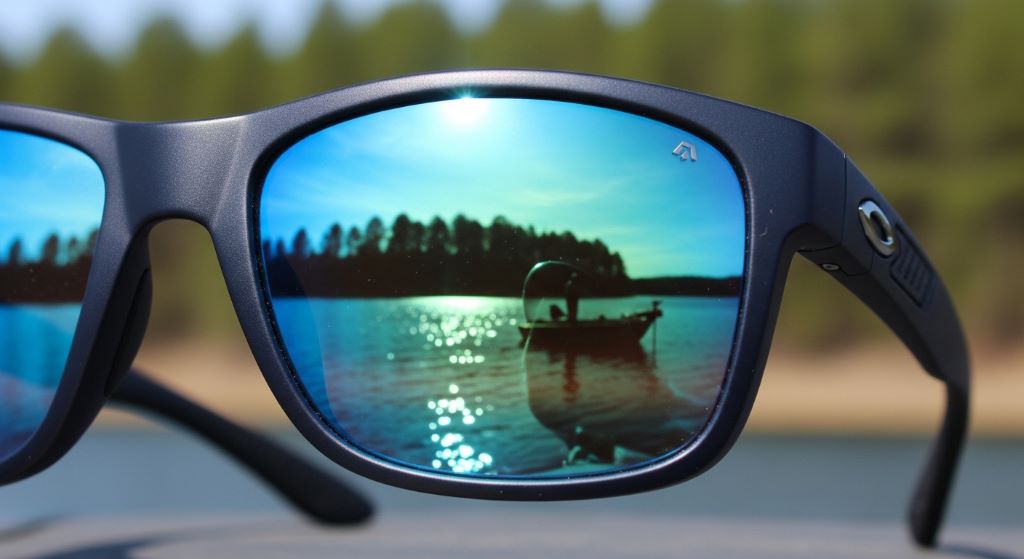
Blue Mirror Lenses
These are great for offshore fishing. They reduce glare in very bright environments.
Coatings That Improve Performance
Premium fishing sunglasses often include special coatings. These enhance durability and usability.
Scratch-Resistant Coating
This protects lenses from minor damage. Therefore, your sunglasses last longer.
Anti-Reflective Coating
This reduces internal reflections. It improves clarity and reduces eye strain.
Hydrophobic Coating
This repels water. It prevents droplets from sticking to the lens.
Additionally, it makes cleaning easier.
Build Materials to Look For
The materials used in sunglasses determine their quality.
Lens Materials
- Glass lenses offer excellent clarity but can be heavier
- Polycarbonate lenses are lightweight and impact-resistant
- Composite lenses provide a balance of both
Frame Materials
- Nylon frames are flexible and durable
- Metal frames offer a classic look but may be heavier
- TR90 material is lightweight and highly flexible
Choosing the right materials ensures both comfort and longevity.
Brand Reputation and Warranty
Trusted brands often provide better quality control. They invest in research and technology.
Additionally, they usually offer warranties. This gives you peace of mind.
Before buying, check:
- Customer reviews
- Warranty terms
- Return policies
These factors help you avoid poor-quality products.
Price vs Value
Premium fishing sunglasses can be expensive. However, price alone does not guarantee quality.
Instead, focus on value. A good pair should offer:
- Clear vision
- Strong durability
- Comfortable fit
Sometimes, mid-range options provide excellent performance. Therefore, compare features rather than just prices.
Testing Before Buying
If possible, test sunglasses before purchasing. This helps you evaluate comfort and clarity.
Here are a few tips:
- Wear them for several minutes
- Check for pressure points
- Look at reflective surfaces
- Move your head to test stability
Additionally, ensure there is no distortion in your vision.
Common Mistakes to Avoid
Many buyers make simple mistakes when choosing fishing sunglasses.
Ignoring Polarization
Without polarization, glare can ruin your fishing experience.
Choosing Style Over Function
Stylish sunglasses may not perform well in real conditions.
Overlooking Fit
Poor fit leads to discomfort and slipping.
Skipping UV Protection
This can harm your eyes over time.
Avoiding these mistakes will help you make a better choice.
How to Maintain Your Sunglasses
Proper care extends the life of your sunglasses.
Cleaning Tips
- Use a microfiber cloth
- Avoid rough materials
- Clean regularly
Storage Tips
- Keep them in a protective case
- Avoid placing them lens-down
- Store in a cool, dry place
Additionally, avoid exposing them to extreme heat.
When to Replace Your Sunglasses
Even premium sunglasses do not last forever.
Replace them if:
- Lenses are scratched heavily
- Frames are loose or damaged
- Vision becomes distorted
Regular inspection helps you maintain optimal performance.
Conclusion
Choosing the right fishing sunglasses requires attention to detail. Focus on lens quality, polarization, UV protection, and comfort. Additionally, consider materials, coatings, and fit.
Premium sunglasses are not just about price. They are about performance and durability. Therefore, take time to evaluate your options carefully.
With the right pair, you can improve your fishing experience significantly. You will see better, feel more comfortable, and protect your eyes effectively.
FAQs
-
What makes fishing sunglasses different from regular sunglasses?
Fishing sunglasses are designed to reduce glare and improve visibility in water. They often include polarized lenses and specialized coatings.
-
Are expensive sunglasses always better?
Not always. Some mid-range options offer excellent value. Focus on features rather than price.
-
Which lens color is best for fishing?
It depends on conditions. Brown or amber lenses are versatile, while blue mirror lenses are ideal for bright offshore environments.
-
How do I know if lenses are polarized?
Look for product labels or test them by viewing reflective surfaces. Polarized lenses reduce glare significantly.
-
How long do fishing sunglasses last?
With proper care, they can last several years. However, replace them if performance declines.
Related Topics:
Returning Diapers Without a Receipt: Store Policies for Diaper Exchanges



Leave a Reply