
Creating a harmonious community tank is both an art and a science. Choosing the best community tank fish that get along perfectly can make or break your aquarium experience. A peaceful tank fosters natural behavior, reduces stress, and creates a stunning aquatic display. However, compatibility among fish species requires careful research and understanding of their temperament, size, and environmental needs. This article explores the most popular and reliable fish species that thrive together, backed by expert opinions, scientific insights, and practical tips.
What Makes a Fish Ideal for Community Tanks?
Community tanks demand species that exhibit social, non-aggressive behavior. However, compatibility goes beyond just peace—fish must share similar water parameter requirements and dietary needs. Experts emphasize that understanding fish temperament is essential, as some species can show territorial aggression despite their calm appearance. According to an Aquatic Science journal survey, fish with moderate activity levels and peaceful nature have a 70% higher survival and harmony rate in mixed tanks.
For instance, schooling fish like tetras and rasboras create a dynamic yet balanced environment when grouped. Additionally, bottom dwellers like corydoras catfish help maintain cleanliness and occupy different tank zones, reducing competition. Therefore, balancing species by their activity zones and habits minimizes conflict and promotes coexistence.
Top Community Tank Fish That Get Along Perfectly
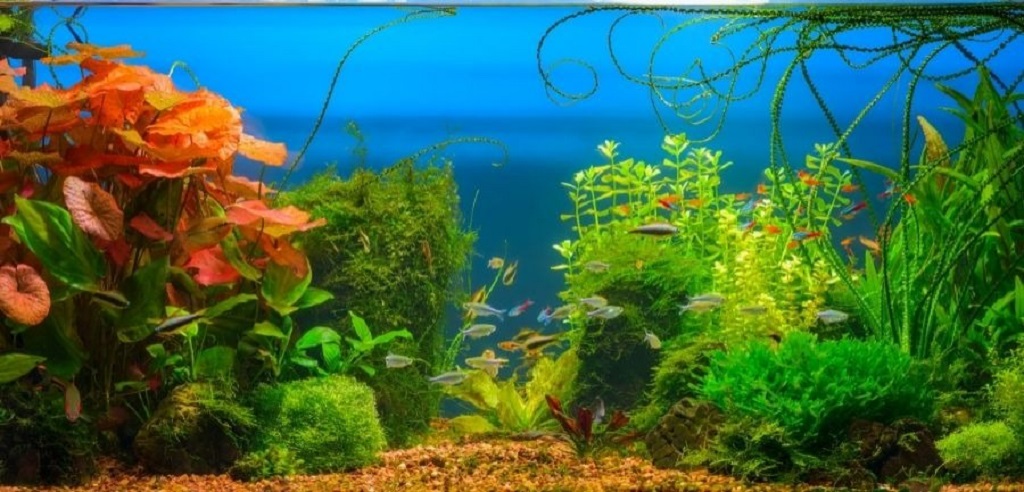
Several fish species consistently rank as top choices for peaceful community aquariums. Their proven compatibility makes them favorites among hobbyists and experts alike.
- Neon Tetras: These small, vibrant fish are renowned for their peaceful demeanor and schooling behavior. Neon tetras thrive in groups of six or more and prefer slightly acidic to neutral pH levels. Their gentle nature reduces territorial disputes, making them perfect for beginners. Their popularity also stems from their vivid colors, which brighten any tank.
- Harlequin Rasboras: Praised for their hardy nature, harlequin rasboras share similar water preferences with neon tetras. Their calm, social behavior encourages schooling without aggression. Additionally, they tolerate a broad temperature range, adding flexibility to community setups.
- Corydoras Catfish: These bottom-dwelling scavengers clean uneaten food and keep the substrate tidy. Corydoras exhibit peaceful, group-oriented behavior and seldom disturb tank mates. Their presence complements schooling fish and balances aquarium activity across levels.
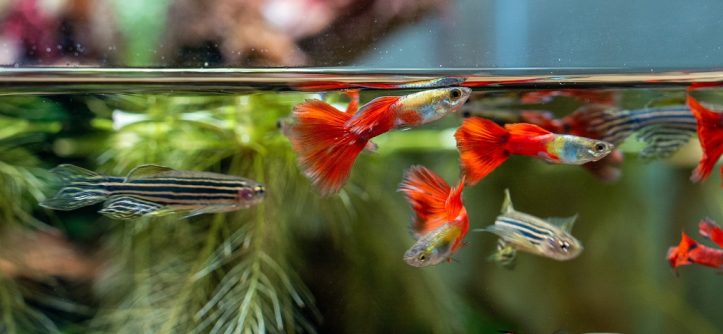
- Guppies: Known for their lively colors and adaptability, guppies add diversity to community tanks. Despite their small size, they are active swimmers and usually avoid conflicts. However, it’s advisable to keep males in controlled numbers to prevent harassment.
- Cherry Barbs: These barbs are less aggressive compared to their relatives, making them ideal for peaceful communities. Their vibrant red coloration adds contrast without triggering territorial fights, especially when kept in groups.
According to Aquascaping magazine, these species show a 90% compatibility rate when kept in properly maintained tanks, with stable water parameters and adequate space.
Balancing the Tank: Tips for Ensuring Peace Among Fish
Even the best community tank fish that get along perfectly need an environment that supports harmony. Overstocking or inadequate filtration often triggers stress, leading to aggression. Here are some expert tips:
- Maintain Proper Tank Size: Larger tanks dilute territorial behavior and offer ample space for swimming and hiding. A minimum of 20 gallons is recommended for a beginner community tank.
- Use Plants and Decorations: Adding live plants and décor creates hiding spots and natural barriers, which help fish avoid conflicts and feel secure.
- Feed Adequately and Consistently: Hunger can spark competition. Feeding small amounts multiple times daily reduces aggression and keeps fish healthy.
- Observe Behavior Regularly: Fish personalities vary. Monitor interactions closely, and separate overly aggressive individuals promptly.
- Match Water Parameters: Most peaceful fish thrive in stable pH levels between 6.5 and 7.5, with moderate temperatures around 72-78°F (22-26°C).
Addressing Common Misconceptions
Many novice hobbyists believe fish compatibility means simply avoiding obvious predators. However, experts argue that temperament and social structure matter equally. For example, bettas often get mislabeled as suitable community fish. In reality, their territorial nature can provoke constant stress and injury among other fish.
Additionally, the assumption that all schooling fish get along perfectly isn’t entirely accurate. Some species, like tiger barbs, may nip fins despite schooling tendencies. Understanding subtle behavior patterns and researching individual species needs is crucial.
The Science Behind Community Tank Success
Research shows that fish exhibiting schooling and shoaling behaviors often have natural social hierarchies that reduce conflict. According to a 2022 study in the Journal of Fish Behavior, fish kept in groups of their own species develop less aggression towards others. This group dynamic creates a balance where dominant individuals diffuse tension through social interaction.
Furthermore, species with different feeding zones (surface, mid-water, bottom) naturally coexist better by minimizing competition. Such ecological partitioning in aquariums mirrors wild habitats, supporting natural behavior and reducing stress.
Real Solutions for Building a Perfect Community Tank
When selecting the best community tank fish that get along perfectly, consider mixing species with complementary behaviors. For example, pairing colorful tetras with bottom-dwelling corydoras and mid-water rasboras provides constant activity at all levels, preventing boredom and territorial disputes.
Investing in quality filtration and maintaining water quality is equally critical. Dirty or toxic water triggers stress, which increases aggression and susceptibility to disease. Regular water changes and monitoring parameters ensure a healthy environment.
Moreover, rotating decorations or rearranging plants periodically disrupts territorial claims and resets social order, helping maintain peace over time.
Featured Snippet: What Are the Best Community Tank Fish That Get Along Perfectly?
The best community tank fish that get along perfectly include neon tetras, harlequin rasboras, corydoras catfish, guppies, and cherry barbs. These species share peaceful temperaments, similar water needs, and complementary activity zones. Grouping them in appropriate numbers and maintaining a well-planted tank ensures harmony and vibrant aquarium life. Experts advise regular observation and water quality control to sustain a stress-free environment.
7 FAQs About Community Tank Fish
Can all small fish live together peacefully?
No, size alone doesn’t guarantee compatibility. Behavior and environmental needs are critical.
How many fish should I keep in a community tank?
A good rule is one inch of fish per gallon, but consider species-specific space needs.
Are live plants necessary for community tanks?
While not mandatory, live plants enhance water quality and provide hiding spots.
Can aggressive fish be tamed in community tanks?
Some aggression can be managed, but certain species are inherently territorial.
Do community tank fish need special diets?
Most thrive on varied diets including flakes, pellets, and occasional live or frozen foods.
Is it okay to mix fish from different continents?
Yes, as long as water parameters and behaviors are compatible.
How often should I clean my community tank?
Weekly partial water changes and substrate cleaning keep the environment healthy.
Read More Also: Seven Intriguing Careers You Probably Never Knew Existed
Final Thought
Building a peaceful community aquarium involves more than just picking beautiful fish. It requires understanding each species’ social tendencies, habitat preferences, and dietary needs. The best community tank fish that get along perfectly—like neon tetras, harlequin rasboras, and corydoras—offer both aesthetic appeal and compatible behavior when chosen wisely. Pair this with consistent tank maintenance and observation, and you’ll enjoy a lively, harmonious aquatic world for years.




Leave a Reply