
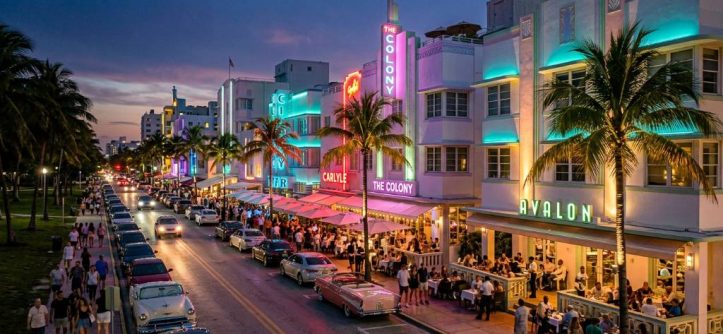
Every January, a pastel jewel box opens on the Florida shoreline. Ocean Drive fills with vintage cars, jazz bands and curious visitors. In 2027, the party gets bigger. Art Deco Weekend turns 50, and the Miami Design Preservation League is ready to celebrate. The festival runs from January 15 to 17, 2027, over the Martin Luther King Jr. holiday weekend. This guide covers dates, tickets, programs, architecture and things to do around South Beach. Additionally, it offers a sample plan and practical tips. Read on to plan a smooth trip.
The 2027 Festival at a Glance
Here are the key facts in one place. However, organizers had not posted a full 2027 timetable when this guide went live. Therefore, treat the program details below as typical, and confirm the final schedule on the official festival website before you travel.
| Detail | Information |
| Dates | Friday, January 15 to Sunday, January 17, 2027 |
| Edition | 50th annual festival |
| Organizer | Miami Design Preservation League |
| Main grounds | Ocean Drive and Lummus Park, from 5th Street to 14th Place |
| Setting | Historic Art Deco District in South Beach |
| Entry | Street festival is usually open to the public |
| Paid extras | Guided tours, some shows, food and drinks |
A Short History of the Festival
The story starts in the 1970s. At that time, many of South Beach’s hotels looked tired. Developers eyed the land, and wrecking balls loomed. Then a group of local preservationists stepped in. Led by Barbara Baer Capitman, they founded the Miami Design Preservation League in 1976. Their goal was simple: save the buildings.
One year later, in 1977, the group held its first festival. It aimed to show neighbors and visitors why these little hotels mattered. The idea worked. In 1979, the area earned a place on the National Register of Historic Places. Today, the district holds roughly 800 buildings in about one square mile. It remains one of the largest collections of its kind in the world.
Since then, the festival has grown into the league’s biggest public event. It also funds the group’s education and preservation work. As a result, every visit supports the buildings you admire. The 50th edition therefore carries special meaning. It celebrates the festival and the people who rescued a neighborhood.
Tickets and Costs
Many visitors ask about tickets first. The good news is that the main street festival has traditionally welcomed the public without an entry fee. You can stroll Ocean Drive, browse the vendors and enjoy the atmosphere at no cost. However, several activities usually ask for a payment.
Here is what typically costs money:
- Guided walking tours with trained guides
- Special concerts or ticketed evening events
- Food, coffee and cocktails on Ocean Drive
- Vintage clothing, art and souvenirs
- Parking, rideshares and hotel stays
Prices change from year to year. Therefore, check the official website for the 2027 rates. Additionally, buy tour tickets early. Popular tours often sell out, especially on Saturday. Booking ahead also saves time on the day.
Money-saving tips
A few simple habits keep your budget under control. First, enjoy the free parts of the festival, such as the street scene and the classic car display. Second, share rides or use the city’s free trolley loops when they run. Third, book your hotel early, because rooms rise in price fast over a holiday weekend. Finally, set aside a small budget for one paid tour. It adds more context than any free stroll.
What to Expect: Festival Programs
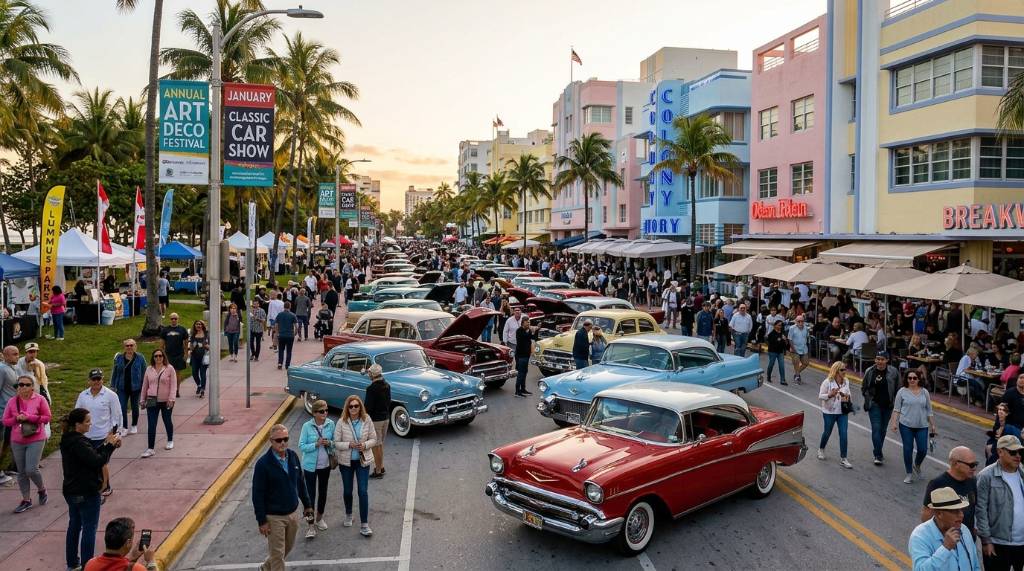
The festival blends education, music, food and fun. Past editions give a clear picture of the mix. Organizers may tweak the lineup for the 50th year, so confirm each detail before you go.
Guided architecture walking tours
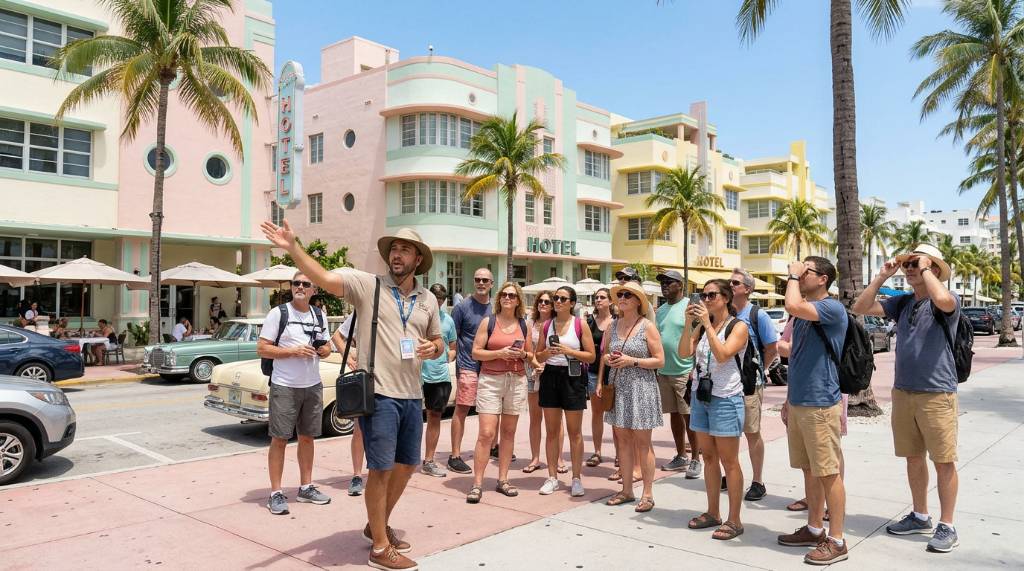
The walking tours are the heart of the weekend. Expert guides lead small groups through the historic district. They point out details that most people miss, such as eyebrow ledges, porthole windows and neon signs. The tours also share stories about the architects, the hotel owners and the fight to save the area. Tours usually last about 90 minutes. Wear comfortable shoes and bring water.
Jazz Age stage and live music
Music fills the park and the street. Expect swing, jazz and dance performances that echo the 1930s and 1940s. Some shows invite the audience to join in. Therefore, bring a little energy for a dance lesson. Evening sets also give the street a warm, lively glow.
Classic car show
Vintage cars line the curb, and their chrome gleams under the palm trees. Owners often stay nearby and love to talk shop. Photographers enjoy this part most. The shiny cars, the pastel hotels and the blue sky make a perfect frame.
Vintage market and artisan stalls
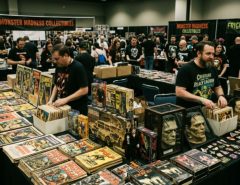
Vendors sell retro fashion, jewelry, posters and home items. Some pieces date back decades. Others take inspiration from the past. Whether you collect or just browse, the market makes a fun stop between tours.
Exhibitions at the Welcome Center
The Art Deco Welcome Center on Ocean Drive often hosts exhibits and talks. Past displays have traced the global spread of the style, from Paris to New York to South Beach. In 2027, expect extra attention on the 50-year milestone. Additionally, the center sells books, maps and gifts. Staff can also answer questions about the district.
Food and drink
Ocean Drive packs in restaurants and cafes. During the festival, many venues add specials. Last year, organizers launched a culinary series with the Ocean Drive Association. Similar tasting events may return. Therefore, keep an eye out for set menus and pop-up bites.
Family and kids activities
The festival suits families, too. Children enjoy the cars, the music and the open space in Lummus Park. Some years include crafts or walking-tour options for younger guests. However, crowds grow thick on Saturday afternoon. Plan a morning visit if you bring small children.
A Sample Weekend Plan
Three days give you plenty of time. This plan balances culture, food and rest. Adjust it once the official timetable appears.
| Day | Morning | Afternoon | Evening |
| Friday, January 15 | Check in and walk Lincoln Road | Visit the Welcome Center | Opening music and dinner on Ocean Drive |
| Saturday, January 16 | Guided walking tour | Vintage market and classic cars | Jazz Age show and a beach sunset |
| Sunday, January 17 | Beach walk or museum visit | Final festival stroll and souvenir shopping | Relaxed dinner before you head home |
This rhythm keeps the busiest tasks in the cooler morning hours. Moreover, it leaves space for rest. January in South Beach feels mild, yet the sun still shines strongly. Therefore, pack sunscreen and a hat.
Understanding the Architecture
The buildings are the real stars. Most of them rose in the 1930s and early 1940s. At that time, the Great Depression had hit the country hard. Yet South Beach boomed as a winter escape. Architects built small, bright hotels and apartment houses at a rapid pace. They mixed several styles, and the results feel playful and unique.
Three styles you will spot
- Streamline Moderne: smooth curves, long horizontal lines and a ship-like look
- Tropical Deco: eyebrow shades, flat roofs and bright pastel colors that suit the sun
- Mediterranean Revival: arches, tile roofs and warm stucco walls
Later, in the 1950s, the playful Miami Modern style, often called MiMo, added bold shapes. You can see its influence in nearby areas.
Key design details to look for
Look up as you walk. Many details hide above eye level. Spot the following features:
- Eyebrows: thin ledges that shade windows from the sun
- Porthole windows: round openings that recall ocean liners
- Terrazzo floors: speckled stone floors in the lobbies
- Neon signs: glowing letters that pop at night
- Geometric reliefs: zigzags, stripes and sunbursts in the stucco
Famous buildings on Ocean Drive
The table below lists well-known stops. All sit within a short walk of each other.
| Building | Why it stands out |
| The Colony Hotel | Its bold neon sign ranks among the most photographed in the city |
| The Carlyle | Film fans know it from a popular 1990s comedy |
| Park Central Hotel | A fine example of the playful, curved look |
| The Breakwater | A tall central tower with a glowing sign |
| Waldorf Towers | A clean Streamline Moderne profile near the sea |
| Hotel Leslie | Crisp white walls with a cheerful accent color |
Architects such as Henry Hohauser, L. Murray Dixon and Albert Anis shaped much of this look. Hohauser alone designed dozens of local buildings. Because of their work, the neighborhood still feels like a living museum.
Things to Do Around the Festival
The weekend offers more than the main stage. South Beach rewards anyone who explores. Try these ideas between events.
Walk or bike Lincoln Road
This pedestrian mall sits a short ride from Ocean Drive. It offers shops, cafes and a lively crowd. Mid-century buildings line the street, so it fits the theme perfectly.
Relax on the beach
The sand sits steps from Lummus Park. Swim if the water feels warm enough, or simply watch the waves. Additionally, the beach path makes a pleasant walking route at sunrise.
Visit a museum
Several museums sit nearby. The Wolfsonian explores design and propaganda, and the Jewish Museum of Florida tells local stories. Both give rainy-day options. They also add depth to your architecture visit.
Explore the Welcome Center museum
The league runs a small museum that tells the story of the district. It pairs well with a walking tour. Therefore, try to visit both on the same day.
Eat Cuban and seafood favorites
Miami’s food scene shines. Grab a Cuban sandwich, fresh ceviche or stone crab when in season. Many cafes also serve strong Cuban coffee. Order a small cup and sip slowly.
Enjoy the nightlife
Ocean Drive glows after dark. Bars and lounges offer live music and cocktails. However, the street gets loud. If you prefer calm nights, choose a quieter side street.
Where to Stay and How to Get Around
Staying in the Art Deco District lets you walk to most events. Many historic hotels have restored lobbies and charming rooms. However, rates climb during the holiday weekend, so reserve early. If prices feel high, look at hotels a few blocks north or on the bay side.
Parking is tight. Garages fill up, and street spaces disappear fast. Therefore, leave the car at your hotel or skip renting one. Rideshares, taxis, bikes and the free city trolley offer easy options. Check current routes and hours before you travel. In addition, many visitors fly into Miami International Airport and take a short ride across the bay.
Practical tips
- Arrive early on Saturday to beat the biggest crowds
- Wear light clothes and comfortable shoes
- Carry sunscreen, sunglasses and a refillable water bottle
- Bring a small bag, because security checks may apply
- Charge your phone and keep a power bank handy
- Check the weather, since January evenings can feel cool
Conclusion
The 50th festival promises a special weekend. It runs from January 15 to 17, 2027, along Ocean Drive and Lummus Park. You can enjoy free street fun, join a guided tour, hear Jazz Age music and admire classic cars. Furthermore, the architecture offers daily rewards. Eyebrows, neon and pastel walls turn every block into a photo spot. Prices and timetables may change, so confirm details on the official website. With early bookings and a simple plan, you can enjoy the best of Miami Beach and help protect its famous buildings at the same time.
Frequently Asked Questions
1. When is Art Deco Weekend 2027?
The festival runs from Friday, January 15 to Sunday, January 17, 2027. It falls on the Martin Luther King Jr. holiday weekend.
2. Where does the festival take place?
The main grounds stretch along Ocean Drive and through Lummus Park. The footprint usually runs from 5th Street to 14th Place in South Beach.
3. Is entry free?
The street festival has traditionally welcomed visitors at no charge. However, guided tours, some shows and food or drinks cost extra.
4. How do I buy tour tickets?
Use the official festival website. Tour sales usually open before the event. Book early, because popular times sell out.
5. Who organizes the event?
The Miami Design Preservation League organizes it. The nonprofit group works to protect the historic district and teach the public about its buildings.
6. What makes the 2027 edition special?
It marks the 50th annual festival. Therefore, expect extra celebration, special exhibits and a strong focus on the district’s history.
7. How long do the walking tours last?
Most tours run about 90 minutes. Guides cover a few blocks, so wear comfortable shoes and bring water.
8. Is the festival good for kids?
Yes. Children enjoy the cars, the music and the open park space. Visit in the morning to avoid the heaviest crowds.
9. What should I wear?
Choose light clothing, sunglasses and walking shoes. Many guests also dress in vintage styles for fun. Pack a light layer for cooler evenings.
10. What is the best way to get around?
Walking works best inside the district. For longer trips, use rideshares, bikes or the free city trolley. Avoid driving, because parking is scarce.

Leave a Reply