
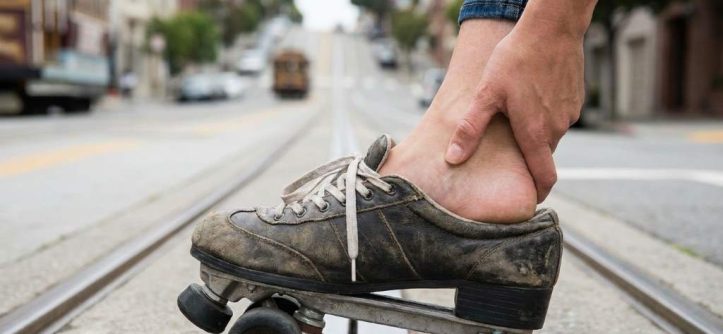
Yes, you can reduce arch ache during skating by improving footwear, fit, technique, and recovery habits. Nearly 80% of adults experience foot discomfort at some point, while active skating increases repetitive foot stress. Choosing skate shoes with arch support can also improve comfort during longer sessions. However, persistent pain requires more attention than simply changing shoes.
Key Takeaways
- Choose skate shoes that provide supportive, stable, and comfortable foot positioning.
- Warm up your feet before skating to prepare muscles and connective tissues.
- Adjust your stance when excessive pressure repeatedly reaches one part of your arch.
- Replace worn footwear before compressed cushioning changes your natural foot movement.
- Use gradual training increases instead of suddenly extending skating sessions.
- Stop skating when sharp pain, swelling, numbness, or weakness develops.
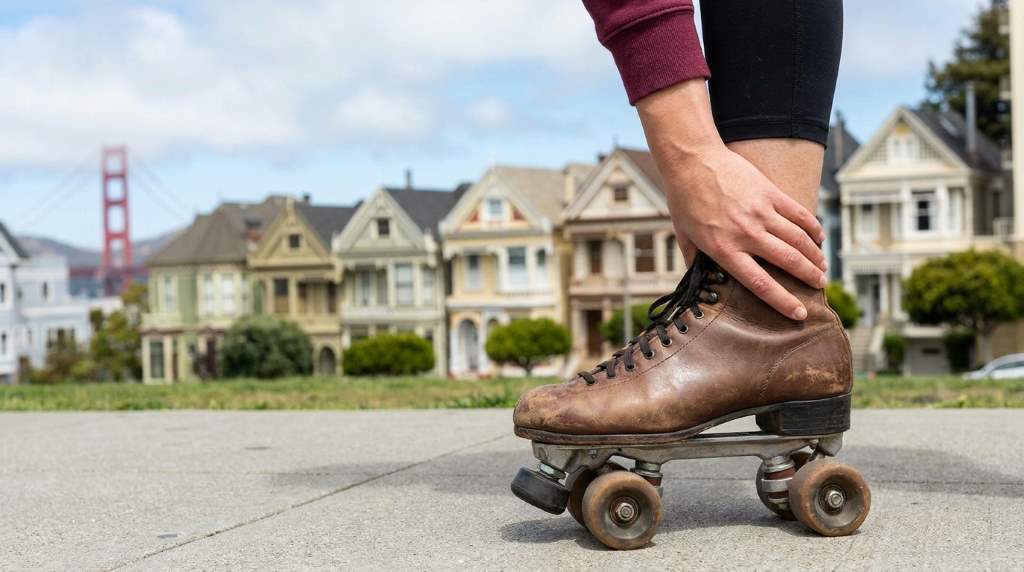
Why Skating Can Trigger Arch Ache
Arch pain often develops when your feet absorb repeated pressure without enough support or recovery. Skating creates continuous demands through your arches, ankles, calves, and toes. Furthermore, pushing, turning, braking, and landing repeatedly load the same structures. That repetitive workload can make mild irritation noticeable during longer sessions.
Your skating stance also influences how force travels through each foot. A narrow stance may concentrate pressure beneath specific areas of your feet. Meanwhile, excessive inward or outward rolling can increase muscular effort around the arch. Therefore, discomfort does not always indicate a footwear problem alone.
Surface conditions can also affect foot fatigue during outdoor skating. Rough pavement creates more vibration than smooth skatepark surfaces. Consequently, your feet may work harder to stabilize every movement. San Francisco’s varied skating environments can make this difference especially noticeable.
Before heading outside, consider the session length and terrain you expect. If you normally skate for thirty minutes, avoid immediately doubling that duration. Instead, increase your workload gradually while monitoring how your feet respond. This approach gives supporting tissues more time to adapt.
Your equipment matters too, especially when you skate frequently. A properly fitted board and reliable protective gear can support better movement control. For example, understanding skateboards price considerations can help beginners budget for safer equipment. However, board cost alone does not determine skating comfort.
Common Contributors to Arch Discomfort
Several factors can contribute to arch ache during skating:
- Worn-out shoe cushioning can reduce shock absorption.
- Loose shoes can force your feet to grip unnecessarily.
- Tight shoes can compress the midfoot and restrict natural movement.
- Sudden increases in skating time can overload supporting tissues.
- Limited calf flexibility can increase tension throughout the foot.
- Poor technique can repeatedly concentrate pressure beneath the arch.
Choose Better Skate Shoes and Foot Support
The right skate shoe should hold your foot securely without squeezing it. Look for a stable midsole, comfortable cushioning, and enough toe space. Additionally, the heel should remain secure when you bend, push, and turn. Excessive movement inside the shoe can increase muscular fatigue.
Arch support should feel supportive rather than aggressively elevated. A very prominent arch can create pressure if its shape mismatches your foot. Instead, prioritize even contact across the sole and stable heel positioning. Your foot should feel supported without fighting the shoe.
Try skating shoes later in the day when your feet naturally become slightly larger. Wear the socks you normally use while skating. Then, stand, bend your knees, and shift your weight before purchasing. This simple test can reveal uncomfortable pressure points.
Replace shoes when the sole compresses unevenly or the upper loses structural support. Likewise, inspect the outsole for areas with significant wear. Uneven wear can indicate repeated loading patterns that deserve attention. A fresh pair may help when worn footwear contributes to discomfort.
However, new shoes cannot compensate for every underlying problem. Persistent arch pain may involve muscular overload, tendon irritation, alignment issues, or other conditions. Therefore, treat footwear as one part of a broader strategy.
How to Test Your Shoes Before Skating
Perform a short indoor movement test before taking new shoes onto the street. Walk normally, bend your knees, and simulate several controlled pushing motions. Next, check whether your heel stays stable without excessive tightening. Finally, remove the shoes and inspect your feet for pressure marks.
If one area repeatedly feels compressed, reconsider the shoe’s shape or sizing. Do not assume discomfort will disappear after several long sessions. Minor pressure can become significant irritation when repeated hundreds of times. Instead, resolve obvious fit problems before increasing skating duration.
Warm Up Your Feet Before Every Skating Session
A short warm-up can prepare your feet and lower legs for repetitive skating demands. Start with two minutes of easy walking before performing gentle ankle movements. Then, complete several controlled calf raises while maintaining balanced pressure through both feet. Gradually increase movement intensity rather than beginning with aggressive tricks.
Toe movements can also help you become aware of foot tension before skating. Spread your toes gently, relax them, and repeat several times. Next, rotate each ankle slowly through a comfortable range. These movements should feel controlled rather than forceful.
Your calves deserve attention because they connect closely with ankle and foot mechanics. Tight calves can make certain skating positions feel more demanding. Therefore, include gentle calf mobility before longer sessions. Save deeper stretching for after your body has warmed up.
Balance drills can provide another useful preparation step. Stand on one foot for twenty to thirty seconds while maintaining steady posture. Then switch sides and compare stability between both feet. Significant differences may reveal movement habits worth discussing with a qualified professional.
A Simple Five-Minute Pre-Skate Routine
Use this sequence before recreational skating:
- Walk briskly for one minute.
- Perform ten slow ankle circles per direction.
- Complete fifteen controlled calf raises.
- Spread and relax your toes ten times.
- Balance on each foot for thirty seconds.
- Perform several easy skating movements before increasing speed.
Keep every movement comfortable and controlled throughout the routine. The goal involves preparation, not exhausting your muscles before skating begins. If an exercise increases pain, stop that movement immediately. Instead, choose gentler mobility and consider professional guidance.
Improve Your Skating Technique and Foot Position
Technique can influence arch stress as much as equipment. When you repeatedly push from the same foot position, certain muscles may fatigue faster. Therefore, pay attention to how your feet distribute pressure during basic movements. Small changes can reduce unnecessary strain over time.
Avoid gripping the inside of your shoes with your toes while skating. Many skaters unconsciously curl their toes when they feel unstable. That habit can increase muscular tension throughout the foot. Instead, keep your toes relaxed while maintaining controlled pressure through the sole.
Keep your knees slightly bent when skating across uneven surfaces. This position allows your legs to absorb movement instead of sending every vibration directly downward. Additionally, maintain a comfortable stance that lets your ankles move naturally. Avoid forcing your feet into rigid positions.
When learning new tricks, prioritize clean landings over repetition volume. Repeated hard landings can quickly increase foot fatigue. Consequently, practice difficult movements in shorter sets with adequate recovery. Quality repetitions usually provide better technical feedback than exhausted repetitions.
Protective equipment can also support confidence during technical practice. Confidence may reduce unnecessary stiffness when learning unfamiliar movements. If you skate with children or beginners, review kids skateboarding safety pads before practice. Appropriate protection cannot prevent arch fatigue, but it can reduce injury risks during falls.
Watch for These Technique Warning Signs
Pay attention when your feet repeatedly display the following patterns:
- One arch hurts significantly more than the other.
- Your toes curl tightly during basic pushing movements.
- Your heel lifts inside the shoe while turning.
- You repeatedly shift weight away from one painful foot.
- Your arch becomes painful only after specific tricks.
These patterns can help identify when technique contributes to discomfort. Record which movements trigger symptoms and when the pain appears. Then, adjust training volume instead of repeatedly testing the painful movement. A coach or qualified clinician can assess persistent mechanical problems.
Manage Training Load and Recovery
Even well-fitted shoes cannot protect feet from excessive training volume. Your muscles and connective tissues need time to recover after repeated loading. Therefore, alternate demanding sessions with easier skating or rest. This strategy becomes especially useful when you skate several days each week.
Increase skating duration gradually rather than making sudden jumps. For example, add modest time to sessions when your previous workload feels comfortable. Monitor your feet during skating and again later that day. Delayed discomfort can indicate that your current workload exceeds your recovery capacity.
After skating, walk gently for several minutes before sitting down. Then, perform comfortable calf and ankle movements to reduce stiffness. Hydration and adequate nutrition also support normal physical recovery. However, neither replaces rest when pain develops.
Cold therapy may temporarily ease soreness for some people after demanding activity. Use a comfortable approach and avoid exposing your skin to extreme cold. More importantly, do not use temporary relief to justify skating through significant pain. Pain reduction does not necessarily mean the underlying irritation has resolved.
Beginners should also choose equipment carefully without overspending. A durable beginner board can provide stability while you develop basic skills. Learning affordable beginner skateboard options can help balance performance, durability, and budget. However, prioritize fit, safety, and skill development over appearance.
When to Take a Break
Stop skating when pain becomes sharp, severe, or progressively worse during movement. Also stop when swelling, numbness, weakness, or unusual tingling develops. These symptoms deserve more attention than ordinary post-session fatigue. Continuing to skate can potentially prolong an unresolved problem.
For mild soreness, reduce intensity and allow adequate recovery before returning. If symptoms repeatedly return after rest, investigate the cause instead of repeatedly masking discomfort. A podiatrist, sports medicine professional, or physical therapist can evaluate persistent foot pain. Professional assessment becomes especially important after an injury.
Simple Ways to Reduce Arch Stress in San Francisco
San Francisco offers varied skating surfaces, slopes, and outdoor environments. That variety can challenge your feet differently from predictable indoor surfaces. Therefore, match your skating intensity to the terrain and your current skill level.
Start unfamiliar routes slowly and identify rough patches before increasing speed. Descending steep areas can increase braking demands and foot tension. Similarly, rough pavement can create more repetitive vibration through your shoes. Choose smoother areas when your arches already feel tired.
Weather can also affect your skating decisions and equipment condition. Damp surfaces can reduce traction and encourage protective stiffness. Consequently, avoid skating surfaces that compromise control or make you tense your feet. Better traction can support smoother movement and reduce unnecessary muscular effort.
Carry a spare pair of comfortable socks for longer outdoor sessions. Wet or compressed socks can change how your foot sits inside the shoe. Furthermore, inspect your shoes after sessions involving moisture or heavy pavement exposure. Small equipment issues become easier to address when you notice them early.
When Arch Ache Needs Professional Attention
Occasional fatigue can improve with rest, better footwear, and sensible training adjustments. Persistent pain requires a different approach, especially when it affects ordinary walking. Pain that continues despite reduced skating deserves professional evaluation. Early assessment can help identify contributing factors before they become more limiting.
Seek prompt medical attention after significant trauma, sudden swelling, or inability to bear weight. Likewise, persistent numbness or weakness should not become part of your normal skating routine. These symptoms can indicate problems requiring assessment beyond basic footwear changes. Avoid returning to demanding skating until you understand the cause.
A professional can assess your foot structure, movement patterns, footwear, and training habits. They may also recommend targeted exercises or modifications based on your individual findings. Bring your skating shoes if you attend an appointment. Your footwear can provide useful information about movement and wear patterns.
A Practical Arch-Pain Prevention Plan
Preventing arch ache works best when several small habits operate together. Start each session with a brief warm-up and wear supportive, properly fitted shoes. Next, monitor technique and avoid unnecessary toe gripping during movement. Finally, increase training volume gradually and schedule adequate recovery.
Use this checklist before your next skating session:
- Check shoe fit and cushioning.
- Complete a five-minute warm-up.
- Choose terrain appropriate for your current skill.
- Keep your toes relaxed during basic movement.
- Take breaks before severe fatigue develops.
- Inspect your feet after skating.
- Reduce training when recurring pain appears.
Consistency matters more than any single product or exercise. Your goal involves creating conditions where your feet handle skating demands without unnecessary stress. Over time, thoughtful equipment choices and training habits can make sessions more comfortable. Just as importantly, they can help you recognize problems before they escalate.
Conclusion
Stopping arch ache during skating starts with supportive footwear, controlled technique, gradual training, and adequate recovery. Do not simply skate through recurring pain because discomfort can signal an underlying mechanical problem. Start with the practical steps above, then seek professional evaluation when symptoms persist.
Before your next San Francisco skating session, check your shoes, warm up, and choose manageable terrain. Small adjustments today can make longer skating sessions more comfortable tomorrow. Take action before arch pain becomes a reason to stop skating altogether.
Frequently Asked Questions
Why do my arches hurt when I skateboard?
Arch pain often results from repetitive loading, poor footwear fit, muscle fatigue, or sudden increases in skating activity.
Can arch support prevent skating foot pain?
Proper arch support can reduce discomfort when it matches your foot shape and works with a stable, well-fitted shoe.
Should I skate with mild arch pain?
Reduce intensity and rest when mild pain appears, especially if symptoms worsen during or after skating.
How long should I rest from skating?
Rest until ordinary movement feels comfortable, then return gradually while monitoring whether symptoms return.
When should I see a doctor about arch pain?
Seek professional evaluation when pain persists, repeatedly returns, or accompanies swelling, numbness, weakness, or significant injury.



Leave a Reply