
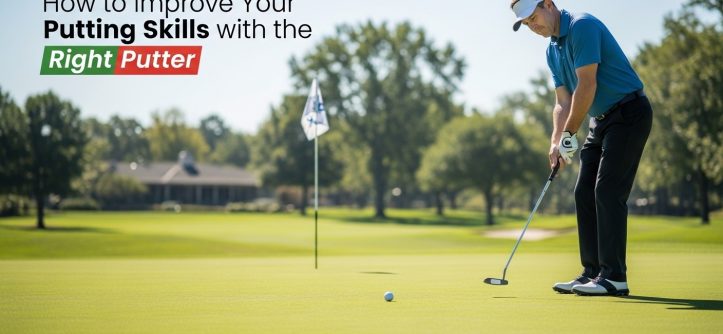
Putting decides more golf rounds than any other part of the game. Many golfers spend hours practicing long drives, yet the scorecard is often determined on the green. A single missed putt from a short distance can erase the advantage of a perfect drive. That is why improving your putting skills is one of the most effective ways to lower your score.
The key factor many golfers overlook is the putter itself. The right putter combined with proven putting tips, consistent practice, and effective golf putting drills can dramatically improve accuracy and control. Studies from performance analytics in professional golf suggest that more than 40% of strokes in a typical round occur on the green. This means even small improvements in putting can significantly impact overall performance.
If you struggle with missed short putts, inconsistent distance control, or poor alignment, the problem may not only be your technique—it could also be your equipment. Choosing the right putter and practicing targeted drills can strengthen your short game improvement strategy and build confidence on every green.
This guide explains how the right putter influences performance, which drills improve consistency, and how golfers can develop a reliable putting routine that works under pressure.
Why Is Putting So Important for Lower Golf Scores?

Short answer: Putting is important because it accounts for nearly half of all strokes in a round, making it the fastest way to reduce scores.
Professional golf statistics consistently show the importance of putting performance. According to strokes-gained data used on professional tours, elite players separate themselves primarily through putting efficiency rather than driving distance.
For example, analytics studies from competitive tournaments indicate:
- Approximately 40–45% of strokes occur on the green.
- Players who rank high in putting often finish higher on leaderboards.
- Improving putting by just 2 strokes per round can significantly lower handicaps.
Many amateur golfers lose strokes through:
- Poor alignment
- Inconsistent stroke tempo
- Incorrect putter length or weight
- Lack of structured practice drills
Because putting requires precision rather than power, the right equipment and technique play a larger role compared to other parts of the game.
This is where the right putter becomes a major factor in short game improvement.
How Does the Right Putter Improve Your Putting Skills?
Short answer: The right putter improves accuracy, alignment, and stroke consistency.
Every golfer has a unique stroke pattern. Some players use a straight-back-straight-through stroke, while others have a slight arc. Different putter designs are built to support these stroke styles.
Using the wrong putter can create alignment problems and inconsistent contact with the ball.
Key elements of a putter that influence performance include:
Putter Length
Putter length affects posture and eye position. A proper length allows your eyes to sit directly above the ball, improving alignment and accuracy.
Putter Head Design
Common head types include:
- Blade putters – Traditional design suited for golfers with an arc stroke.
- Mallet putters – Larger heads offering more stability and forgiveness.
- High-MOI putters – Designed to reduce twisting during off-center hits.
Weight Distribution
Modern putters often use perimeter weighting to improve stability. This helps maintain control during longer putts.
Alignment Aids
Many putters include visual guides to help golfers aim accurately. Proper alignment significantly increases the chances of sinking short putts.
Choosing a putter that matches your natural stroke can immediately improve consistency.
What Are the Most Effective Putting Tips for Beginners?
Short answer: The most effective putting tips focus on alignment, tempo, and reading the green.
Many golfers assume putting requires a complicated technique. In reality, the best putters focus on a few consistent fundamentals.
1. Keep Your Stroke Simple
Use a smooth pendulum motion. Avoid excessive wrist movement.
2. Focus on Alignment
Before every putt:
- Align the putter face first
- Then adjust your feet and shoulders
- Confirm your line before starting the stroke
3. Control Your Tempo
Consistency in stroke tempo helps control distance.
Many instructors recommend a simple rhythm where the backswing and follow-through have similar timing.
4. Keep Your Head Still
Moving your head during the stroke often leads to off-center contact.
5. Develop a Pre-Putt Routine
A routine builds confidence and reduces pressure during important putts.
Professional players follow consistent routines before nearly every putt.
Which Golf Putting Drills Improve Accuracy?
Short answer: Target-based drills and repetition drills are the most effective for improving putting accuracy.
Practicing random putts rarely builds consistency. Structured golf putting drills help golfers develop repeatable strokes.
Gate Drill
This drill improves alignment and face control.
- Place two tees slightly wider than the putter head.
- Practice putting through the gate.
- If the putter hits a tee, the stroke path needs adjustment.
Circle Drill
This drill builds confidence with short putts.
- Place balls in a circle around the hole (3–4 feet).
- Try to sink all putts consecutively.
- If you miss one, restart the drill.
Distance Control Drill
Distance control is essential for avoiding three-putts.
- Putt balls toward a target without focusing on the hole.
- Try to stop each ball within a small distance zone.
Practicing these drills regularly strengthens muscle memory and improves consistency.
How Do Professional Golfers Practice Putting?
Short answer: Professional golfers practice with structured drills that focus on repetition, distance control, and pressure simulation.
Professional players spend a significant amount of practice time on putting.
Many training sessions include:
- Short putt repetition drills
- Long distance lag putting practice
- Pressure simulation drills
- Green-reading exercises
A commonly referenced case study in performance analytics examined practice routines among elite tour players.
The study found:
- Players who practiced structured drills improved putting consistency by roughly 15–20%.
- Focused short-range practice reduced missed putts under 6 feet.
- Lag putting drills significantly reduced three-putts.
This data shows that targeted practice improves real-world performance.
How Can You Improve Your Short Game Faster?
Short answer: Combine the right putter with focused drills and a consistent routine.
Improving the short game does not require expensive training equipment. What matters most is consistent practice with the right focus.
Effective strategies include:
- Practicing short putts daily
- Tracking missed putts during rounds
- Using alignment guides during practice
- Testing different putters to find the best fit
Many golfers see noticeable improvement within weeks once they begin structured practice.
What Features Should You Look for When Choosing a Putter?
Short answer: The best putter fits your stroke type, provides alignment support, and offers balanced weight.
| Putter Feature | Benefit |
|---|---|
| Face balance | Best for straight strokes |
| Toe hang | Works well for arc strokes |
| Alignment lines | Improves aiming accuracy |
| High MOI design | Reduces twisting on impact |
| Adjustable weights | Helps control stroke tempo |
Testing several putters before purchasing can help identify the most comfortable option.
Conclusion: How Can the Right Putter Transform Your Putting Game?
Improving your putting skills does not require complicated techniques. The biggest gains often come from combining the right putter with consistent practice.
By focusing on alignment, stroke consistency, and structured golf putting drills, golfers can significantly improve accuracy and reduce missed opportunities on the green.
Many players focus heavily on driving distance, yet the fastest way to lower scores often lies in short game improvement. When golfers practice the fundamentals and use equipment suited to their stroke, confidence on the green increases.
The next time you practice, spend extra time on putting drills. Test different putters. Build a consistent routine.
Call to Action: Start applying these putting tips during your next practice session. Track your results over the next five rounds and see how much your putting performance improves.
Frequently Asked Questions
How often should golfers practice putting?
Golfers should practice putting several times per week. Even 15–20 minutes of focused practice with structured drills can improve consistency and confidence.
What is the most common putting mistake?
The most common mistake is poor alignment. Many golfers aim incorrectly before starting their stroke, which causes missed putts even when the stroke itself is solid.
Do expensive putters improve performance?
Price alone does not determine performance. The most important factor is whether the putter fits your stroke style, posture, and alignment preferences.
What distance should golfers practice the most?
Most instructors recommend focusing on short putts between 3 and 6 feet. These putts frequently determine scoring outcomes during rounds.
How can golfers avoid three-putts?
Improving lag putting distance control is the best way to avoid three-putts. Practicing long putts that stop close to the hole reduces the need for difficult second putts.
Is a mallet or blade putter better for beginners?
Mallet putters are often recommended for beginners because they offer greater stability and forgiveness during off-center strikes.
Read More Also: How to Choose a Budget Travel Duffel Bag for Short Trips
Find out: How to Choose Affordable Portable Camping Chairs for Budget-Friendly Outdoor Trips




Leave a Reply