
When selecting rope or string for critical applications, strength becomes the primary concern. Whether you’re climbing mountains, securing heavy loads, or working in industrial settings, understanding material capabilities can mean the difference between success and failure. Companies like Yifarope specialize in manufacturing high-performance ropes and strings designed to withstand extreme conditions and heavy loads.
The quest for the strongest string has driven innovations across multiple industries. From aerospace engineering to marine applications, researchers continuously develop new materials and manufacturing techniques. However, determining what is the strongest string requires examining various factors including tensile strength, weight-to-strength ratio, and environmental resistance. Additionally, the intended application significantly influences which material performs best under specific conditions.
Modern string materials have evolved far beyond traditional natural fibers. Today’s strongest strings incorporate advanced synthetic polymers, carbon compounds, and even metallic elements. Therefore, understanding the properties of different materials helps users make informed decisions for their specific needs.
Understanding String Strength Measurements
String strength is typically measured in several ways. Tensile strength represents the maximum stress a material can withstand while being stretched. This measurement is usually expressed in pounds per square inch (PSI) or newtons per square meter (pascals). However, absolute strength numbers only tell part of the story.
Weight-to-strength ratio provides another crucial measurement. Lightweight materials that maintain high strength offer significant advantages in applications where weight matters. Furthermore, working load limits represent the safe operating capacity, typically calculated as a percentage of the breaking strength to ensure safety margins.
Breaking elongation describes how much a string stretches before failure. Some applications require minimal stretch, while others benefit from elasticity. Additionally, fatigue resistance indicates how well a material maintains strength through repeated loading cycles.
Top Strongest String Materials Ranked
Ultra-High Molecular Weight Polyethylene (UHMWPE)
UHMWPE strings, including brands like Dyneema and Spectra, currently rank among the strongest available. These materials offer exceptional strength-to-weight ratios, often exceeding steel wire rope performance while weighing significantly less. Moreover, UHMWPE exhibits excellent chemical resistance and UV stability when properly treated.
The manufacturing process aligns polymer chains to maximize strength. Consequently, UHMWPE strings achieve tensile strengths exceeding 500,000 PSI. However, these materials have relatively low melting points and can be damaged by excessive heat or friction.

Aramid Fibers
Kevlar represents the most recognizable aramid fiber used in string manufacturing. These materials provide excellent strength combined with heat resistance. Furthermore, aramid strings maintain performance across wide temperature ranges and resist many chemicals.
Aramid fibers excel in applications requiring both strength and thermal stability. However, they can degrade under UV exposure without proper protection. Additionally, aramid materials tend to have higher costs compared to other synthetic options.
Carbon Fiber Composites
Carbon fiber strings offer exceptional strength and stiffness characteristics. These materials resist fatigue well and maintain performance in harsh environments. Moreover, carbon fiber provides excellent dimensional stability and low thermal expansion.
The manufacturing complexity of carbon fiber strings results in higher costs. Nevertheless, their performance characteristics justify the expense in demanding applications. Additionally, carbon fiber strings require careful handling to prevent damage from sharp bends or impact.
High-Strength Steel Wire
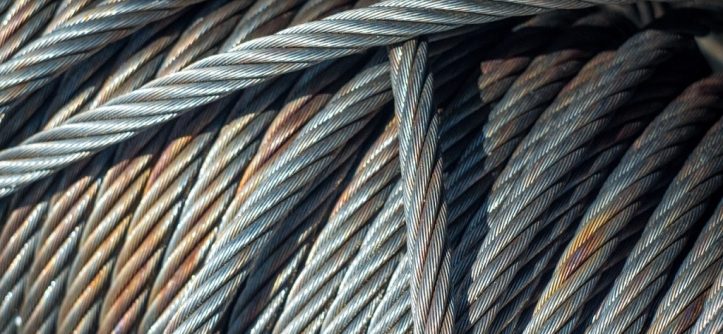
Steel wire rope remains popular for many heavy-duty applications. Modern high-strength steel alloys achieve impressive tensile strengths while maintaining predictable behavior. Furthermore, steel wire provides excellent resistance to cutting and abrasion.
Steel wire’s weight represents its primary disadvantage compared to synthetic alternatives. However, its proven reliability and lower cost make it suitable for many applications. Additionally, steel wire rope offers excellent resistance to heat and fire.
Liquid Crystal Polymer (LCP) Fibers
LCP fibers, such as Vectran, combine high strength with excellent thermal stability. These materials maintain performance at elevated temperatures where other synthetics fail. Moreover, LCP fibers exhibit low creep and excellent dimensional stability.
The unique properties of LCP fibers make them ideal for aerospace and industrial applications. However, their specialized nature results in higher costs and limited availability. Additionally, LCP fibers require specific handling techniques to achieve optimal performance.
Factors Affecting String Performance
Environmental conditions significantly impact string performance. Temperature extremes can reduce strength or cause material degradation. Additionally, exposure to chemicals, UV radiation, or saltwater affects different materials in various ways.
Loading conditions also influence performance. Dynamic loading creates different stresses than static loads. Furthermore, the frequency and magnitude of load cycles affect fatigue life. Therefore, understanding the application requirements helps select the most appropriate material.
Installation and maintenance practices directly affect string longevity. Proper installation techniques prevent premature wear and damage. Moreover, regular inspection and replacement schedules ensure continued safety and performance.
Applications and Choosing the Right String
Marine applications often require strings that resist saltwater corrosion and UV degradation. UHMWPE materials typically perform well in these conditions. However, specific coatings or treatments may enhance performance further.
Climbing and mountaineering applications prioritize safety and reliability. Dynamic ropes that absorb impact energy protect climbers during falls. Additionally, low stretch characteristics benefit technical climbing where precision matters.
Industrial applications vary widely in requirements. Some need maximum strength regardless of cost, while others require balanced performance and economy. Furthermore, specific industry standards may dictate material requirements and testing protocols.
Construction and rigging applications often favor proven materials like steel wire rope. These applications typically involve predictable loading conditions and established safety procedures. However, synthetic alternatives offer weight advantages for certain applications.
Future Developments in String Technology
Research continues into new materials and manufacturing techniques. Nanotechnology offers possibilities for creating even stronger materials at the molecular level. Additionally, hybrid constructions combining different materials may optimize performance characteristics.
Advanced manufacturing techniques like 3D printing may revolutionize string construction. These methods could enable custom designs optimized for specific applications. Moreover, real-time monitoring systems may provide performance feedback during use.
Environmental considerations increasingly influence material selection. Biodegradable options may become important for certain applications. Furthermore, recyclable materials help address sustainability concerns while maintaining performance requirements.
Conclusion
Determining the strongest string requires understanding both material properties and application requirements. UHMWPE materials currently offer the best strength-to-weight ratios for most applications. However, factors like temperature resistance, cost, and environmental conditions influence the optimal choice.
The evolution of string technology continues advancing material capabilities. New manufacturing techniques and hybrid constructions promise even better performance characteristics. Therefore, staying informed about developments helps users select the best materials for their specific needs.
Ultimately, the strongest string is the one that best meets your application requirements while maintaining appropriate safety margins. Consulting with material specialists and conducting thorough testing ensures optimal performance and safety in critical applications.
Read More Also: Benefits of Replacing Power Steering Fluid Early
Frequently Asked Questions
What makes one string stronger than another?
String strength depends on the material’s molecular structure, manufacturing process, and construction method. Materials with aligned polymer chains or crystalline structures typically exhibit higher strength. Additionally, the way individual fibers are twisted or braided together affects overall rope strength.
How do I determine what strength string I need for my application?
Calculate the maximum expected load and apply an appropriate safety factor, typically 5:1 to 10:1 depending on the application. Consider dynamic loads, environmental conditions, and potential wear factors. Consulting engineering tables or professionals ensures proper selection for critical applications.
Do stronger strings always cost more?
Generally, yes, but not always. High-performance materials like UHMWPE or aramid fibers command premium prices due to manufacturing complexity. However, the total cost of ownership may be lower due to longer service life and better performance. Additionally, bulk purchasing can reduce per-unit costs.
Can strong strings be spliced or repaired if damaged?
Most synthetic high-strength strings can be spliced using proper techniques, though this may reduce overall strength. Steel wire rope requires specialized splicing methods. However, critical applications typically require replacement rather than repair to maintain safety margins and reliability.
How do I properly store and maintain high-strength strings?
Store strings in cool, dry locations away from direct sunlight and chemicals. Inspect regularly for wear, cuts, or degradation. Clean according to manufacturer recommendations and avoid exposure to heat sources. Proper handling during use prevents premature wear and maintains performance characteristics.




Leave a Reply