
Key Takeaways
- SoBe Drinks launched in 1995 and quickly became popular thanks to unique flavors, herbal ingredients, and eye-catching branding.
- The brand stood out in the late 1990s and early 2000s as consumers sought alternatives to traditional soft drinks.
- PepsiCo acquired SoBe in 2000, expanding the brand’s distribution and increasing its national presence.
- Changing consumer preferences toward healthier beverages significantly impacted SoBe’s popularity over time.
- Growing competition from functional drinks, enhanced waters, kombucha, energy beverages, and wellness-focused brands reduced SoBe’s market share.
- Many SoBe products, including several fan-favorite flavors, were gradually discontinued as demand declined and corporate priorities shifted.
- SoBe Lifewater became one of the brand’s most recognizable products but eventually lost shelf space to other hydration brands within PepsiCo’s portfolio.
- Reduced marketing support and an unclear brand identity made it more difficult for SoBe to remain relevant in a rapidly evolving beverage market.
- Although most SoBe products are no longer widely available, the brand still maintains a loyal fan base driven by nostalgia and memorable flavors.
- A future SoBe comeback remains possible if the brand is redesigned with lower sugar formulations, natural ingredients, functional benefits, and a clear modern identity.
Introduction
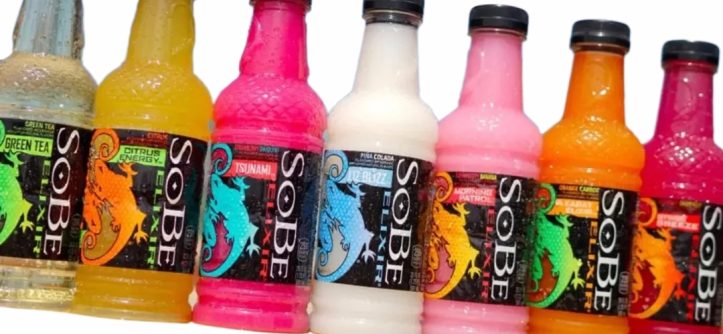
If you grew up in the United States during the late 1990s or early 2000s, chances are you remember SoBe Drinks. The colorful bottles, unique flavors, and distinctive lizard logo made the brand stand out in convenience stores, supermarkets, and vending machines across the country. For many consumers, SoBe represented a fun alternative to traditional soft drinks.
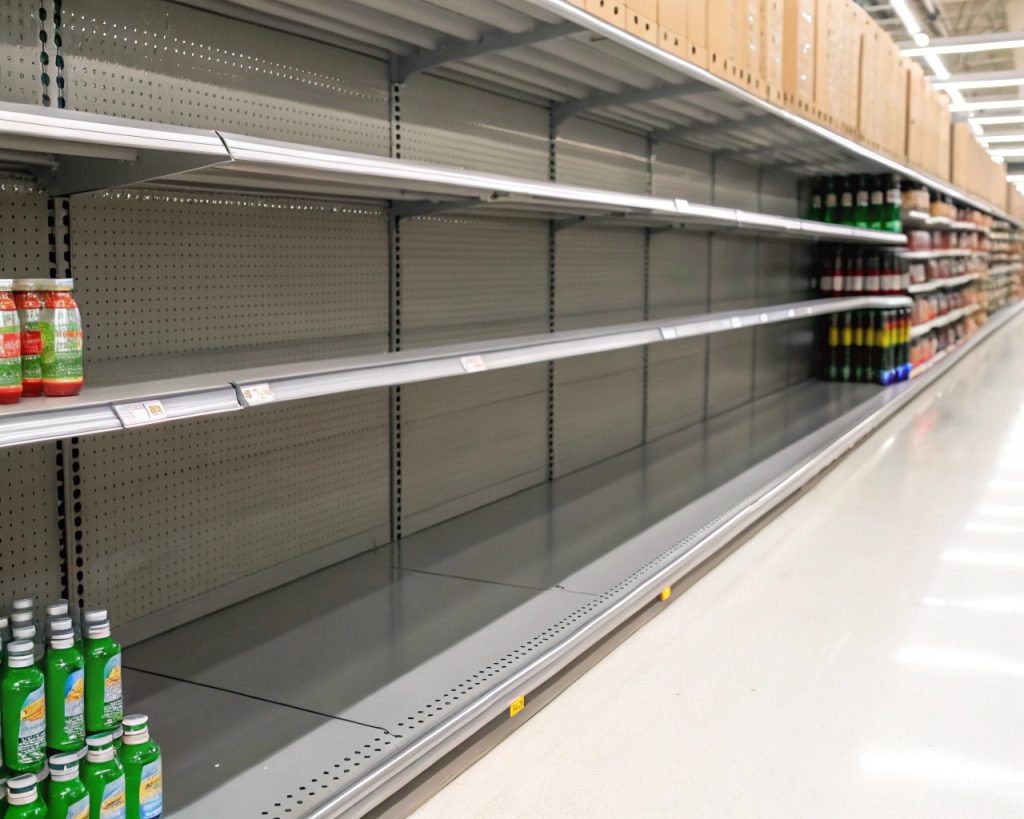
However, over the years, fans began noticing something strange. Favorite flavors disappeared. Store shelves carried fewer products. Eventually, many people started asking the same question: What happened to SoBe Drinks?
The story involves changing consumer preferences, corporate acquisitions, market competition, and shifting beverage trends. According to data from the U.S. Centers for Disease Control and Prevention, sugary beverage consumption patterns have changed significantly over the past two decades as consumers increasingly seek healthier options. At the same time, the beverage industry has experienced major transformations driven by wellness trends and functional drinks.
In this article, we will explore the complete story behind SoBe Drinks, from its rapid rise to its gradual decline and what remains of the brand today.
The Origins of SoBe Drinks
How SoBe Started
SoBe, short for South Beach Beverage Company, launched in 1995. The brand was founded by entrepreneur John Bello, who wanted to create beverages that combined great taste with herbal ingredients and vitamins.
At the time, the beverage industry was dominated by traditional sodas. However, consumers were becoming more interested in drinks that offered something different. SoBe entered the market with products that featured ingredients such as ginseng, guarana, echinacea, and other herbal extracts.
This approach helped the company stand out quickly.
Why Consumers Loved SoBe
Several factors contributed to SoBe’s popularity:
- Unique bottle designs
- Bold and colorful branding
- Exotic flavor combinations
- Functional ingredients
- Strong youth appeal
Unlike many competitors, SoBe created an identity that felt adventurous and modern. The lizard logo became instantly recognizable, and the drinks developed a loyal following.
The Golden Age of SoBe
Rapid Growth During the Late 1990s
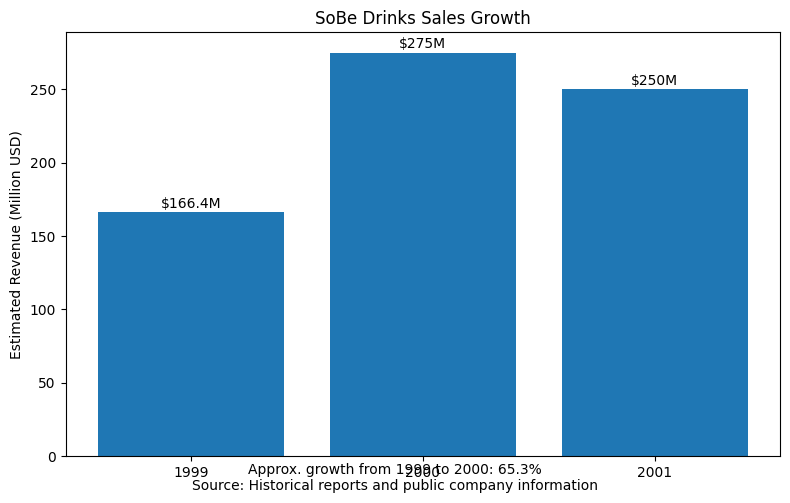
The late 1990s marked a period of explosive growth for the brand. SoBe benefited from the increasing demand for alternative beverages.
Consumers wanted options beyond traditional cola products. As a result, SoBe found success among teenagers, college students, athletes, and health-conscious consumers.
The company expanded its product lineup rapidly and introduced new flavors on a regular basis.
Popular SoBe Flavors
Many fans still remember their favorite flavors that became cultural icons.
Some of the most popular SoBe products included:
- Strawberry Daiquiri
- Citrus Energy
- Pina Colada
- Green Tea
- Dragon
- Lean Green
- Orange Carrot Elixir
These beverages offered distinctive taste profiles that helped build customer loyalty.
Strong Marketing Campaigns
Marketing played a major role in SoBe’s success.
The company used creative advertising campaigns, celebrity partnerships, sports sponsorships, and memorable promotions. One of the most talked-about campaigns involved placing SoBe-branded skins on the famous Goodyear Blimp.
As a result, the brand gained significant national attention.
PepsiCo Acquires SoBe
The Major Turning Point
In 2000, a significant milestone changed the future of SoBe.
PepsiCo acquired the South Beach Beverage Company after recognizing the brand’s strong growth potential.
The acquisition gave SoBe access to:
- Nationwide distribution
- Larger marketing budgets
- Expanded retail presence
- Operational resources
Initially, the move appeared beneficial for both companies.
Early Success Under PepsiCo
Following the acquisition, SoBe products became even more widely available.
Consumers could find the drinks in more stores than ever before. PepsiCo used its extensive distribution network to place SoBe products across the United States.
Sales remained strong during the early years of the partnership.
Why SoBe Drinks Started Disappearing
Changing Consumer Preferences
One of the biggest reasons for SoBe’s decline was changing consumer behavior.
During the 2000s and 2010s, health awareness increased dramatically. Consumers became more concerned about:
- Sugar content
- Artificial ingredients
- Calories
- Sweeteners
- Overall nutritional value
As a result, many shoppers began choosing water, sparkling water, kombucha, low-sugar beverages, and other wellness-focused options.
Increased Competition
The beverage market became much more crowded.
New competitors entered the industry with products targeting health-conscious consumers. Brands specializing in energy drinks, enhanced waters, functional beverages, and natural ingredients gained popularity.
Some categories that expanded rapidly included:
- Coconut water
- Kombucha
- Protein drinks
- Functional waters
- Natural energy beverages
Consequently, SoBe faced intense competition from multiple directions.
Product Line Confusion
Over time, SoBe expanded into numerous categories.
The company introduced:
- Teas
- Elixirs
- Enhanced waters
- Energy drinks
- Low-calorie options
While innovation can be positive, too many product changes sometimes make it difficult for consumers to understand a brand’s core identity.
Many customers no longer knew what SoBe represented.
Reduced Marketing Support
Another factor involved reduced visibility.
Compared with its peak years, SoBe received less advertising attention. PepsiCo is increasingly focused on larger brands and newer growth opportunities.
Without strong marketing support, consumer awareness gradually declined.
The Impact of the Healthy Beverage Movement
The Rise of Wellness Culture
The wellness movement transformed the beverage industry.
According to data from the U.S. Department of Agriculture and various consumer market studies, Americans have increasingly sought beverages that align with healthier lifestyles.
Consumers started reading labels more carefully. They paid closer attention to ingredient lists and nutritional information.
This shift created challenges for many legacy beverage brands.
SoBe’s Attempts to Adapt
SoBe did not ignore these changes.
The company launched several products designed to appeal to evolving consumer preferences.
Examples included:
- SoBe Lifewater
- Zero-calorie options
- Enhanced vitamin beverages
Some products achieved moderate success. However, competition remained fierce.
Brands entering the market with a health-first identity often attracted more attention from wellness-focused consumers.
What Happened to SoBe Lifewater?
One of the Brand’s Most Recognizable Products
SoBe Lifewater became one of the company’s most successful product lines.
The beverage featured vitamins, electrolytes, and colorful packaging. Many consumers viewed it as a refreshing alternative to traditional soft drinks.
For a period, Lifewater enjoyed a strong retail presence across the country.
The Shift Toward Propel and Other Brands
Eventually, PepsiCo focused more heavily on other hydration brands within its portfolio.
As resources shifted, SoBe Lifewater became less prominent.
Many consumers noticed fewer flavors and reduced availability in stores.
Over time, the product largely disappeared from many retail locations.
Did PepsiCo Discontinue SoBe?
The Short Answer
In practical terms, many SoBe products have been discontinued or significantly reduced in distribution.
Although the brand has not always been formally declared completely discontinued across every market and product category, most consumers can no longer find the drinks easily.
Why Companies Retire Brands
Large beverage companies regularly evaluate performance.
Factors influencing these decisions include:
- Sales volume
- Market trends
- Shelf space competition
- Consumer demand
- Portfolio strategy
When a brand no longer generates sufficient growth, companies often redirect resources toward stronger opportunities.
This appears to be a major factor in SoBe’s decline.
Can You Still Buy SoBe Drinks Today?
Limited Availability
Finding SoBe products today can be difficult.
Some consumers occasionally report discovering remaining inventory through:
- Specialty retailers
- Online marketplaces
- Regional distributors
- Independent convenience stores
However, availability varies widely.
Why Availability Is Inconsistent
Several factors contribute to limited availability:
- Reduced production
- Lower distribution priority
- Retail shelf competition
- Declining demand
As a result, consumers often struggle to locate their favorite flavors.
Why SoBe Still Has a Loyal Fan Base
Nostalgia Is Powerful
Many former customers associate SoBe with specific memories.
The drinks became part of everyday life for a generation of consumers. Whether purchased after school, during road trips, or at sporting events, SoBe created emotional connections that remain strong today.
Unique Flavors Remain Memorable
Even years later, fans frequently discuss discontinued flavors online.
Many consumers believe SoBe offered combinations that few competitors have successfully replicated.
This uniqueness continues to fuel nostalgia and interest.
Community Driven Support
Online communities regularly discuss:
- Favorite flavors
- Discontinued products
- Brand memories
- Possible comebacks
The continued conversation demonstrates the lasting impact of the brand.
Could SoBe Make a Comeback?
The Possibility Exists
Brand revivals are not uncommon.
Many companies have successfully reintroduced discontinued products after recognizing strong consumer demand.
A SoBe comeback could potentially succeed if the brand aligns with modern preferences.
What a Modern SoBe Would Need
To compete today, a relaunch would likely require:
- Lower sugar formulations
- Natural ingredients
- Functional health benefits
- Modern packaging
- Clear brand positioning
These changes could help reconnect the brand with today’s consumers while preserving its original appeal.
Lessons From the SoBe Story
Innovation Must Continue
SoBe succeeded because it challenged industry norms.
However, innovation must remain consistent as markets evolve.
Brands that stop adapting often struggle to maintain relevance.
Consumer Preferences Change Quickly
The beverage industry moves rapidly.
Companies must continually monitor trends, customer expectations, and emerging competitors.
Even highly successful brands can face challenges when consumer behavior changes.
Brand Identity Matters
Consumers need a clear understanding of what a brand represents.
Strong positioning helps brands remain memorable and competitive over time.
SoBe’s experience highlights the importance of maintaining a consistent identity while adapting to market shifts.
Conclusion
So, what happened to SoBe Drinks? The answer involves a combination of changing consumer preferences, increased competition, shifting corporate priorities, and the rapid evolution of the beverage industry. SoBe rose to prominence by offering unique flavors, bold branding, and functional ingredients at a time when consumers wanted alternatives to traditional soft drinks. However, the market eventually moved toward healthier beverage options, and the brand struggled to maintain its position.
Despite its decline, SoBe remains one of the most memorable beverage brands of its era. Many fans still search for discontinued flavors and hope for a future revival. If you remember enjoying SoBe Drinks, share your favorite flavor and explore today’s beverage market to discover new alternatives inspired by the same spirit of innovation.
FAQs
Was SoBe officially discontinued?
Many SoBe products were discontinued or significantly reduced in distribution. While some items have occasionally remained available in limited channels, the brand is largely absent from mainstream retail shelves.
Who owned SoBe Drinks?
John Bello founded SoBe in 1995. PepsiCo acquired the company in 2000 and managed the brand thereafter.
Why did SoBe become less popular?
The decline resulted from changing consumer preferences, stronger competition, health-focused beverage trends, reduced marketing support, and shifts in corporate priorities.
What was the most popular SoBe flavor?
Consumer preferences varied, but flavors such as Strawberry Daiquiri, Citrus Energy, Dragon, and Lean Green developed particularly loyal followings.
Can SoBe return in the future?
A comeback is possible. Many discontinued brands have returned successfully when consumer demand remained strong, and products were updated for modern tastes.



Leave a Reply