
Choosing the right hydraulic jack is essential for safe and efficient vehicle maintenance. Whether you are changing a tire, doing brake work, or performing routine inspections, the right tool can make the job easier and safer. However, many buyers feel confused when comparing different types, sizes, and capacities.
This guide will help you understand everything you need to know. From types of jacks to safety tips, you will learn how to select the best option for your needs without wasting money or risking damage.
Understanding What a Hydraulic Jack Does
A hydraulic jack uses fluid pressure to lift heavy objects. When you pump the handle, hydraulic fluid moves through the system and raises the lifting arm. This design allows you to lift a car with less effort compared to manual tools.
Additionally, hydraulic jacks are known for their strength and durability. They are commonly used in garages, workshops, and even at home for simple repairs.
Types of Hydraulic Jacks You Should Know
Before choosing a jack, you must understand the main types available. Each one has unique features and uses.
Floor Jack
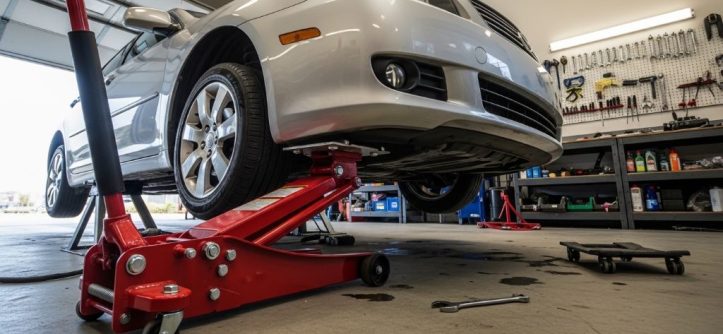
A floor jack is one of the most popular options. It has wheels, making it easy to move around your garage.
Key features:
- Low profile design for easy access under cars
- Wide base for better stability
- Fast lifting mechanism
However, floor jacks are usually heavier and require more storage space.
Bottle Jack
A bottle jack is compact and shaped like a cylinder. It is ideal for lifting heavy vehicles.
Key features:
- High lifting power
- Compact size for easy storage
- Simple design
However, bottle jacks often have a higher minimum height. This makes them less suitable for low-clearance vehicles.
Floor Jack vs Bottle Jack: Which One Is Better?
When comparing floor jack vs bottle jack, the right choice depends on your vehicle type and usage.
- For low cars or sedans, a floor jack works better because it fits under tight spaces.
- For trucks and SUVs, a bottle jack offers higher lifting capacity.
- For portability, bottle jacks are easier to carry.
- For stability and ease of use, floor jacks are usually safer.
Therefore, your decision should depend on your vehicle height, weight, and how often you plan to use the jack.
Lifting Capacity Tips You Must Follow
Choosing the correct lifting capacity is critical for safety. Using a jack that cannot handle your vehicle’s weight can lead to accidents.
Here are some important lifting capacity tips:
- Always check your vehicle’s weight in the manual
- Choose a jack with at least 1.5 times your vehicle weight
- Never rely on the minimum rating
- Consider additional weight from cargo or modifications
Additionally, remember that lifting only one side of the vehicle still requires a strong jack. It is better to choose a higher capacity than you think you need.
How to Match a Jack with Your Vehicle Type
Different vehicles require different types of jacks. Choosing the wrong one can make your work difficult or unsafe.
For Small Cars
Small cars usually have low ground clearance. Therefore:
- Choose a low-profile floor jack
- Look for smooth lifting control
- Avoid tall bottle jacks
For SUVs and Trucks
These vehicles are heavier and sit higher off the ground. So:
- Choose a high-capacity bottle jack or heavy-duty floor jack
- Ensure it has enough lift height
- Focus on strength over compactness
For Sports Cars
Sports cars need extra care due to their low height:
- Use ultra-low profile floor jacks
- Ensure precise lifting control
- Avoid bulky designs

Important Features to Look For
Not all hydraulic jacks are the same. Some features can make a big difference in performance and safety.
Build Quality
A strong steel body ensures durability. Additionally, high-quality materials reduce the risk of failure.
Lift Range
Check both the minimum and maximum height. This ensures the jack can fit under your car and lift it high enough.
Portability
If you travel often, a lightweight and compact jack is better. However, for garage use, heavier models provide more stability.
Ease of Use
Look for smooth handles and quick-lift systems. These features save time and effort.
Safety Tips When Using a Hydraulic Jack
Safety should always come first when lifting a vehicle. Even the best jack can be dangerous if used incorrectly.
Follow these simple safety rules:
- Always use jack stands after lifting
- Never work under a car supported only by a jack
- Place the jack on a flat, solid surface
- Check for leaks or damage before use
- Lift only at recommended points
Additionally, take your time. Rushing can lead to mistakes and accidents.
Common Mistakes to Avoid
Many people make simple mistakes when choosing or using a hydraulic jack. Avoiding these errors can save you money and prevent injuries.
- Buying a jack with low capacity
- Ignoring lift height requirements
- Choosing based on price alone
- Skipping safety accessories like jack stands
- Using the jack on uneven ground
However, these mistakes are easy to avoid with proper knowledge and planning.
Floor Jack vs Bottle Jack: Final Comparison
Let’s simplify the comparison between floor jack vs bottle jack:
- Floor jacks are better for convenience and stability
- Bottle jacks are better for heavy lifting and portability
- Floor jacks suit most everyday users
- Bottle jacks are ideal for heavy-duty tasks
Therefore, if you work on cars regularly, a floor jack is often the best choice. However, if you need something compact and powerful, a bottle jack is a great option.
Maintenance Tips to Extend Jack Life
Taking care of your hydraulic jack ensures it lasts longer and works safely.
- Keep it clean and free from dirt
- Store in a dry place to prevent rust
- Check hydraulic fluid levels regularly
- Inspect seals and valves for leaks
- Lubricate moving parts when needed
Additionally, regular maintenance helps you detect issues early before they become serious problems.
How to Choose the Best Option for Your Budget
Budget plays an important role in your decision. However, cheaper is not always better.
- Entry-level jacks are suitable for occasional use
- Mid-range jacks offer better durability and features
- Premium jacks provide long-term reliability
Therefore, choose a jack based on how often you plan to use it. Spending a bit more upfront can save money in the long run.
Lifting Capacity Tips for Long-Term Safety
It is important to think beyond immediate needs. Your vehicle weight may change over time due to modifications or cargo.
Keep these lifting capacity tips in mind:
- Always allow extra capacity margin
- Upgrade your jack if you change vehicles
- Avoid pushing your jack to its limit
- Check weight distribution before lifting
Additionally, having a higher-rated jack gives you peace of mind during every use.
Conclusion
Choosing the right hydraulic jack does not have to be complicated. By understanding the differences between types, checking your vehicle’s needs, and following safety guidelines, you can make a smart decision.
Floor jacks offer convenience and stability, while bottle jacks provide power and portability. Additionally, focusing on lifting capacity, build quality, and ease of use ensures you get the best value.
Most importantly, always prioritize safety. A reliable jack combined with proper usage will make your vehicle maintenance tasks easier and safer for years to come.
FAQs
1. What size hydraulic jack do I need for my car?
You should choose a jack that can handle at least 1.5 times your vehicle’s weight for safe lifting.
2. Is a floor jack safer than a bottle jack?
Floor jacks are generally more stable, especially for beginners. However, both are safe when used correctly.
3. Can I use a bottle jack for a sedan?
Yes, but it may not fit under low-clearance vehicles. A floor jack is usually a better choice for sedans.
4. How often should I maintain my hydraulic jack?
Inspect it before each use and perform full maintenance every few months depending on usage.
5. Do I need jack stands with a hydraulic jack?
Yes, always use jack stands. A hydraulic jack alone is not safe for holding a vehicle.
Related Topics
Matching Faded Paint on Classic Cars for Partial Resprays
How is the perfect modern garage?


Leave a Reply