
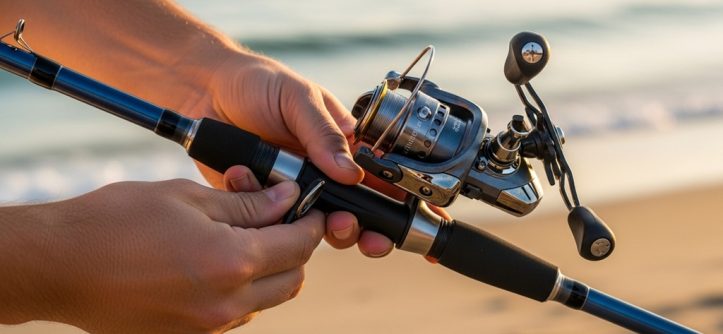
Saltwater fishing is exciting, but it can quickly become frustrating if your gear fails. Many anglers buy a cheap rod thinking it will work for occasional trips. After a few outings, the rod begins to corrode, guides rust, or the blank weakens. Saltwater environments are harsh. Salt, sand, and moisture can destroy low-quality gear in months.
So the real question is simple: how do you choose an affordable saltwater fishing rod that lasts? The answer is not about buying the most expensive rod. It is about selecting the right materials, construction, and corrosion-resistant components that handle saltwater conditions.
In simple terms, an affordable saltwater fishing rod should combine durable materials, corrosion-resistant hardware, and the correct rod action for your fishing style. Many anglers rely on graphite surf rods for sensitivity, fiberglass surf rods for durability, or composite rods that blend both strengths.
According to a recreational fishing equipment durability report by the American Sportfishing Association, rods exposed to saltwater without corrosion-resistant components fail nearly 40% faster than rods designed for marine environments.
This guide explains exactly how to choose a durable yet affordable saltwater rod. You will learn what materials last longer, which features matter, and how to avoid wasting money on gear that fails too soon.
What Makes a Saltwater Fishing Rod Different From a Freshwater Rod?
Short answer: Saltwater fishing rods are designed with corrosion-resistant materials and stronger construction to handle larger fish and harsh marine conditions.
Saltwater environments expose equipment to constant moisture and salt crystals. These elements accelerate corrosion, weaken components, and damage rod guides.
Freshwater rods often use lighter hardware that performs well in lakes and rivers but fails quickly in saltwater.
Saltwater rods typically include:
- Corrosion-resistant guides and reel seats
- Stronger rod blanks for bigger fish
- Durable coatings to resist salt damage
- Reinforced guide wraps
Many beginner anglers underestimate the effect of salt exposure. Even occasional beach fishing can cause rust if rods are not designed for marine conditions.
This is why corrosion resistant rods are critical for long-term performance.
Why Do Cheap Saltwater Rods Fail So Quickly?
Short answer: Most cheap rods fail because they use low-grade metal components, weak rod blanks, and poor protective coatings.
Low-cost fishing rods are often manufactured with minimal protective treatment. Saltwater accelerates corrosion in exposed metal components.
Common failure points include:
- Rusting guides
- Weak reel seats
- Cracking rod blanks
- Loose guide wraps
A case study conducted by a coastal fishing gear retailer compared budget rods under $30 with mid-range rods priced between $60–$100. After six months of saltwater exposure:
| Rod Type | Failure Rate | Main Issue |
|---|---|---|
| Budget rods ($20–$30) | 52% | Guide corrosion |
| Mid-range rods ($60–$100) | 18% | Minor wear |
| Composite saltwater rods | 9% | Cosmetic damage only |
The takeaway is clear. Extremely cheap rods usually cost more in the long run because they need replacement sooner.
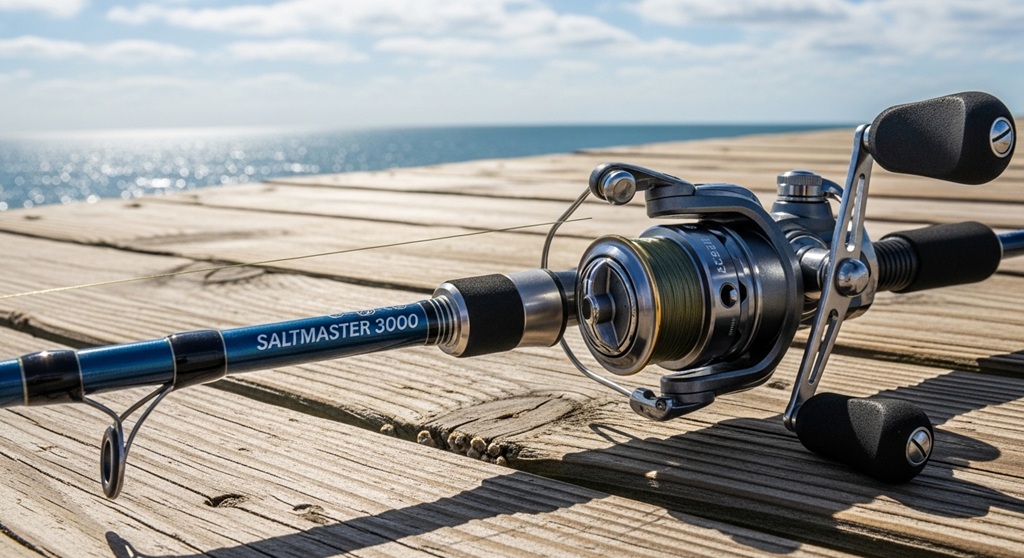
Which Rod Materials Last the Longest in Saltwater?
Short answer: Graphite, fiberglass, and composite materials are the most durable rod blanks for saltwater fishing.
Rod blanks determine strength, flexibility, and longevity. The three main materials used in saltwater rods include graphite, fiberglass, and composite blends.
Graphite Surf Rods
Graphite surf rods are popular because they offer high sensitivity and lighter weight. Anglers can detect subtle bites and cast farther with less effort.
Advantages of graphite rods:
- Lightweight construction
- High sensitivity
- Long casting distance
- Fast action response
However, graphite rods can be more brittle if heavily stressed.
Fiberglass Surf Rods
Fiberglass surf rods are known for durability and flexibility. They are harder to break and perform well when fighting strong fish.
Benefits include:
- High durability
- Better shock absorption
- Ideal for heavy fish species
- More affordable manufacturing cost
The downside is that fiberglass rods are heavier and slightly less sensitive.
Composite Rods
Composite rods combine graphite and fiberglass materials. They balance sensitivity with strength.
Many experienced surf anglers choose composite rods because they provide durability without sacrificing performance.
What Are Corrosion Resistant Rod Components?
Short answer: Corrosion-resistant rods use stainless steel, titanium, or coated aluminum components to prevent rust and degradation.
Saltwater rods must include corrosion-resistant parts to survive repeated exposure to salt and moisture.
Important corrosion-resistant components include:
- Stainless steel or titanium guides
- Anodized aluminum reel seats
- Saltwater-safe coatings
- Sealed guide wraps
Titanium guides are the most corrosion resistant but cost more. Stainless steel guides with protective coatings are the most common option for affordable rods.
Without these materials, rods can deteriorate quickly in marine environments.
How Long Should an Affordable Saltwater Rod Last?
Short answer: A well-maintained saltwater rod should last between 3 and 6 years depending on usage and maintenance.
Rod lifespan depends on three factors:
- Material quality
- Fishing frequency
- Maintenance habits
Anglers who rinse their rods with fresh water after each trip often double the lifespan of their equipment.
For example, a study from a coastal tackle retailer showed:
| Maintenance Routine | Average Rod Lifespan |
|---|---|
| No cleaning | 1–2 years |
| Occasional rinse | 2–4 years |
| Regular rinse and storage | 4–6 years |
Even affordable rods can last several years when properly cared for.
What Length Rod Should You Choose for Saltwater Fishing?
Short answer: Most anglers choose rods between 8 and 12 feet for surf fishing because they allow longer casting distance.
Rod length affects casting distance, leverage, and control.
- 7–8 ft rods: Pier or boat fishing
- 9–10 ft rods: General surf fishing
- 11–12 ft rods: Long-distance beach casting
Longer rods help anglers cast bait beyond breaking waves where larger fish often feed.
What Rod Power and Action Work Best for Saltwater Fishing?
Short answer: Medium-heavy or heavy power rods with moderate-fast action work best for most saltwater fishing situations.
Rod power refers to strength, while rod action describes flexibility.
| Rod Power | Best Use |
|---|---|
| Medium | Small coastal species |
| Medium Heavy | General surf fishing |
| Heavy | Large saltwater fish |
Moderate-fast action rods allow long casting distance while maintaining enough flexibility to absorb fish strikes.
How Much Should You Spend on a Durable Saltwater Rod?
Short answer: Most reliable saltwater rods fall between $60 and $120.
This price range typically includes rods with corrosion-resistant guides and stronger rod blanks.
Below $40, rods often use cheaper materials that corrode quickly. Above $150, rods include premium materials that may not be necessary for casual anglers.
A balanced price range provides durability without overspending.
How Can You Maintain Your Saltwater Rod to Extend Its Life?
Short answer: Rinse your rod with fresh water, dry it properly, and store it in a cool place.
Salt crystals remain on gear even after it dries. Over time they cause corrosion.
Follow these maintenance steps:
- Rinse rod with fresh water after each trip
- Wipe guides with a soft cloth
- Store rods vertically when possible
- Avoid leaving rods in direct sunlight
Simple maintenance habits significantly extend the lifespan of fishing equipment.
Conclusion
Choosing an affordable saltwater fishing rod that lasts is not about buying the most expensive gear. It is about understanding what makes a rod durable in marine environments.
Look for rods built with corrosion-resistant components, strong rod blanks, and materials suited for your fishing style. Graphite surf rods offer sensitivity and casting distance. Fiberglass surf rods provide durability and flexibility. Composite rods combine both advantages.
Avoid extremely cheap rods that lack corrosion protection. Instead, focus on rods that balance price and performance. Most anglers find the best value between $60 and $120.
With proper maintenance and smart purchasing decisions, a good saltwater rod can last several years while delivering reliable performance.
Ready to upgrade your fishing gear? Compare rod materials, check corrosion-resistant components, and invest in a rod designed for saltwater conditions. The right choice will improve your fishing experience and save money in the long run.
Frequently Asked Questions
What is the best material for saltwater fishing rods?
Graphite, fiberglass, and composite materials are the most common choices. Graphite offers sensitivity, fiberglass provides durability, and composite rods balance both qualities.
Are graphite surf rods good for beginners?
Yes. Graphite surf rods are lightweight and sensitive, making them easier to cast and control. However, beginners should avoid excessive force because graphite rods can be more brittle.
Why are corrosion resistant rods important?
Saltwater contains minerals that accelerate rust and metal degradation. Corrosion resistant rods use protective materials that prevent damage and extend rod lifespan.
Do fiberglass surf rods last longer?
Fiberglass rods are generally more durable and flexible than graphite rods. They handle heavy fish and rough handling better, which can make them last longer in some fishing conditions.
How often should you clean a saltwater fishing rod?
You should rinse your rod with fresh water after every saltwater fishing trip. This removes salt crystals and prevents corrosion.
Can freshwater rods be used in saltwater?
Freshwater rods can technically be used in saltwater, but they often lack corrosion-resistant components. Without proper care, they may rust or degrade quickly.
What rod length is best for surf fishing?
Most surf anglers prefer rods between 9 and 12 feet because longer rods allow longer casting distance and better control when fishing from the shore.
Related Topic: Affordable, High-Quality Cosmetic Body Procedures Near the U.S. Border
Read Next: Complete Buying Guide: How to Pick the Right Rock Climbing Rope



Leave a Reply