
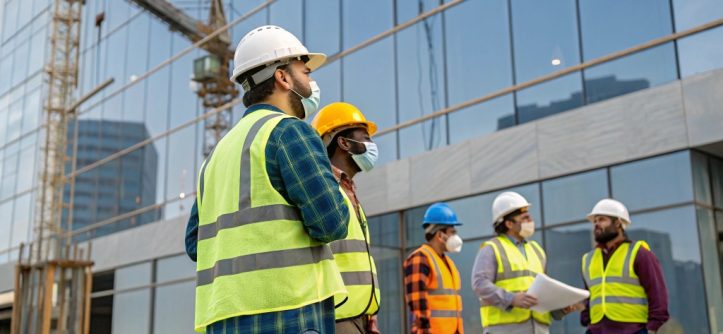
Workers face real risks every day in industrial environments. One wrong move or missing protection can lead to serious injury. Proper workwear changes that. It shields employees from hazards, keeps them comfortable during long shifts, and shows clients a professional team. Companies invest in quality work uniforms to build safer, more efficient workplaces. These choices pay off quickly.
Statistics back this up. OSHA reports show workplace injuries dropped from 10.9 cases per 100 workers in 1972 to 2.4 in 2023. Better protective gear played a big role. Studies also reveal proper PPE prevents over 90% of potential incidents in high-risk jobs.
Moreover, comfortable attire keeps teams focused and energized. Professional looks strengthen company reputation. This article explores all three impacts in detail.
Why Proper Workwear Matters for Safety
Safety comes first in any industrial setting. Workers handle heavy machines, chemicals, and heights daily. The right clothing acts as the last line of defense.
Industrial clothing protects against common dangers. Flame-resistant fabrics stop burns in welding areas. High-visibility vests keep teams seen in busy warehouses. Reinforced boots guard toes from falling objects.
However, not all gear works the same. Poor fits cause trips or snags. Low-quality materials wear out fast. Companies that choose durable industrial clothing see fewer accidents.
Research supports this. Proper PPE reduces serious injuries like fractures and burns significantly. One analysis found correct equipment prevents 37.6% of occupational harm. Teams feel secure and focus better on tasks.
Additionally, compliance matters. OSHA requires specific protection in many industries. Meeting standards avoids fines and builds trust. Regular checks ensure gear stays effective.
Key Safety Features in Modern Workwear
Smart designs make a difference. Look for these elements:
- Reinforced knees and elbows for durability during tough jobs.
- Moisture-wicking fabrics to prevent slips from sweat.
- Anti-static materials in explosive environments.
- Cut-resistant gloves for sharp tools.
These features save lives. For example, arc-rated suits protect electricians from flashes. Teams report higher confidence when equipped properly.
Furthermore, training helps. Workers learn to inspect and wear gear correctly. This simple step cuts risks even more.
How Comfortable Attire Boosts Productivity
Comfort directly affects output. Uncomfortable clothes distract workers all shift long.
Custom work shirts fit well and allow free movement. Breathable materials keep bodies cool in hot factories. Flexible designs support bending and lifting without restriction.
Studies show this matters. Teams in well-fitted attire perform better and stay focused longer. One research project linked comfortable uniforms to higher job satisfaction and strategic thinking.
Moreover, uniforms remove morning decisions. Employees arrive ready to work. This reduces fatigue and sharpens focus.
Practical Ways Workwear Improves Daily Performance
Quality attire delivers clear gains:
- Reduces physical strain during repetitive tasks.
- Prevents overheating in summer conditions.
- Supports better posture with ergonomic fits.
- Builds team unity through shared looks.
For instance, mechanics in stretchable shirts move faster between jobs. Warehouse staff in supportive pants handle loads efficiently.
Additionally, happy workers stay longer. Lower turnover saves training costs. Teams collaborate better when everyone feels good.
Case examples prove it. Companies that upgraded to functional gear saw productivity rise noticeably. Employees reported less exhaustion and more energy.
Strengthening Brand Image Through Professional Uniforms
First impressions count in business. Clients judge companies by what they see.
Professional uniforms send strong messages. Clean, matched attire shows organization and pride. Branded logos turn workers into walking advertisements.
Customers trust uniformed teams more. Research confirms uniforms enhance perceived reliability. People identify staff quickly and feel reassured.
Furthermore, consistency builds recognition. Matching outfits across sites reinforce identity. This helps in competitive markets.
Elements That Elevate Company Perception
Strong uniforms include these traits:
- Clear logos and company colors.
- Modern, clean designs.
- Well-maintained condition.
- Role-specific details for clarity.
Service teams in sharp attire close deals easier. Visitors remember polished appearances.
In addition, social media amplifies this. Photos of uniformed crews spread positive views online.
Real-world results show impact. Businesses with branded programs report stronger reputations. Clients associate quality gear with quality work.
Choosing the Right Workwear for Your Team
Selection requires thought. Assess risks first. Then consider comfort and style.
Involve employees in decisions. Their input ensures better adoption. Test samples for fit and function.
Moreover, prioritize quality materials. Durable fabrics last longer and perform better.
Regular updates keep programs fresh. Replace worn items promptly. This maintains safety and image.
Finally, partner with reliable suppliers. They offer expertise and options tailored to needs.
Conclusion
Proper workwear transforms industrial workplaces. It protects lives, boosts output, and builds strong reputations.
Invest in quality attire today. Your team deserves the best protection and comfort. Clients notice the professionalism.
Start reviewing your program now. Small changes deliver big results in safety, productivity, and brand strength.
FAQs
How does workwear improve workplace safety?
It shields against hazards like flames, chemicals, and impacts. Proper fits prevent accidents. Studies show PPE stops many injuries.
Can uniforms really increase productivity?
Yes. Comfortable designs reduce fatigue and distractions. Teams focus better and collaborate more in matched attire.
Why do uniforms help brand image?
They create professional, consistent looks. Customers trust uniformed staff faster. Branded gear turns employees into ambassadors.
What features make workwear safer?
Look for flame resistance, high visibility, and reinforcement. Breathable materials add comfort without sacrificing protection.
How often should companies update uniforms?
Replace worn items immediately. Review programs yearly to match new standards and employee feedback.



Leave a Reply