
The right rock climbing rope is one that matches your climbing style, route length, and safety standards. It must have the correct diameter, length, and certification rating to handle falls and friction safely.
You are 30 feet above your last bolt. Your forearms are pumped. You trust your harness. You trust your belayer. But do you trust your rope?
Many climbers focus on shoes and harnesses. Few study rope specs in detail. That mistake can cost performance. In extreme cases, it can cost safety.
According to the UIAA Safety Commission, dynamic ropes are tested to withstand multiple standardized falls under strict lab conditions. A certified single rope must survive at least 5 UIAA falls under an 80 kg mass. That’s not marketing. That’s physics.
This guide explains how to choose the right rope using a clear rope diameter guide, correct rope length for climbing, and understanding UIAA rope rating standards. You’ll learn what matters, what doesn’t, and how to avoid common buying mistakes.
What Types of Climbing Ropes Are Available?
There are three main dynamic rope types: single, half (double), and twin ropes. Each serves a different climbing scenario.
1. What Is a Single Rope?
A single rope is designed to be used alone and is marked with a circled “1”.
- Best for sport climbing
- Common for indoor climbing
- Simpler rope management
Most beginners start here. It’s straightforward and widely compatible with belay devices.
2. What Is a Half (Double) Rope?
Half ropes are used in pairs and clipped alternately into protection.
- Ideal for trad climbing
- Reduces rope drag on wandering routes
- Provides redundancy
3. What Is a Twin Rope?
Twin ropes are used in pairs but clipped together into each protection point.
- Lighter individual strands
- Common in alpine routes
If you’re buying your first rope for gym or sport routes, choose a single rope with UIAA certification.
How Do You Use a Rope Diameter Guide to Choose Correctly?
Rope diameter affects durability, weight, handling, and belay compatibility.
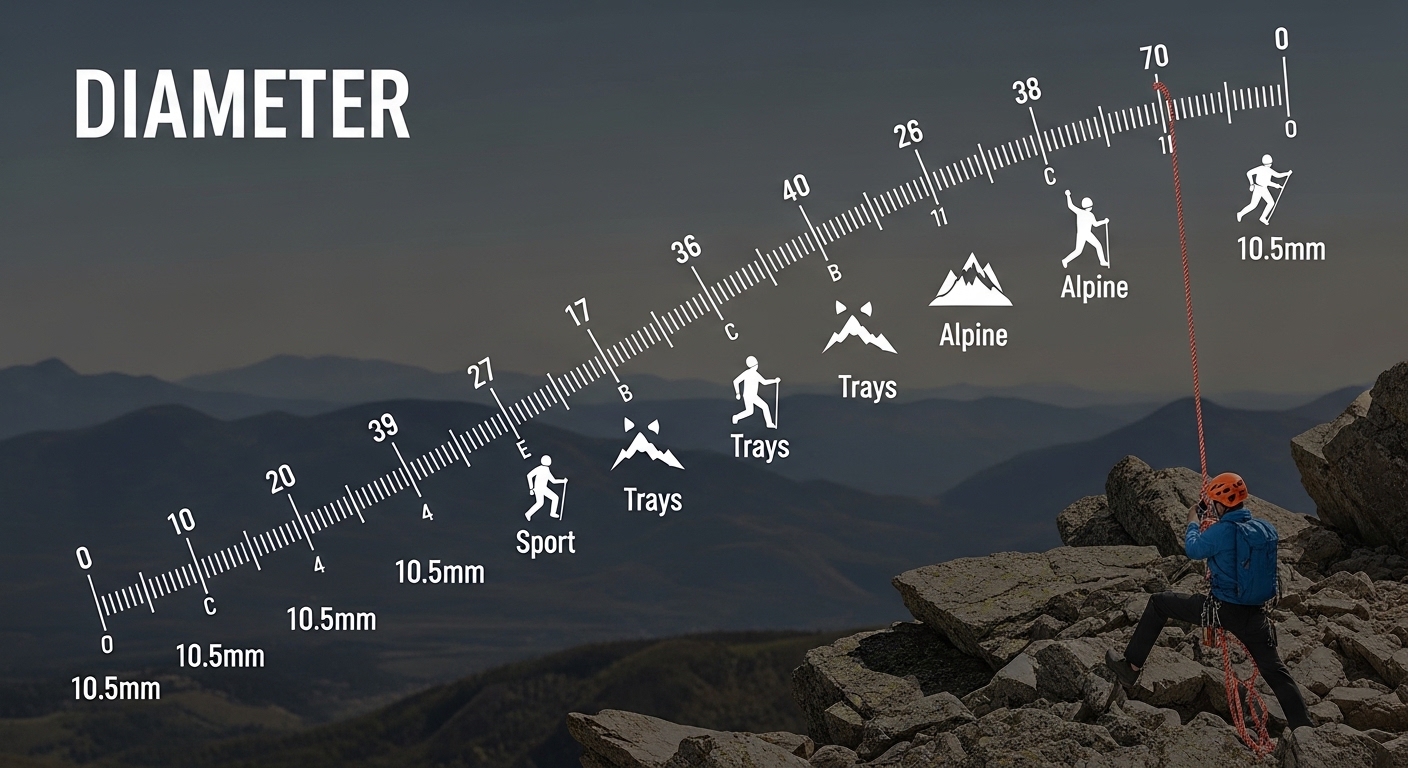
Dynamic ropes typically range from 8.5 mm to 10.5 mm.
| Diameter | Best For | Pros | Cons |
|---|---|---|---|
| 8.5–9.2 mm | Advanced sport/alpine | Lightweight, low drag | Less durable |
| 9.3–9.8 mm | Sport & trad | Balance of weight and durability | Moderate lifespan |
| 9.9–10.5 mm | Beginners & gym | More durable, easier handling | Heavier |
Why Does Diameter Impact Safety?
Thinner ropes produce less friction and weigh less. But they wear faster. Thicker ropes handle abrasion better and last longer in gyms.
Many gyms recommend 9.8–10.2 mm ropes because they endure frequent top-rope falls.
If you’re unsure, a 9.5–9.8 mm single rope is the safest middle ground.
For detailed product comparisons, check this resource on the rope diameter guide and affordable climbing rope options.
What Is the Ideal Rope Length for Climbing?
The right rope length for climbing depends on route height and descent method.
Standard rope lengths:
- 50 meters
- 60 meters
- 70 meters
- 80 meters
When Should You Choose 60m?
60m is the most versatile length for outdoor sport climbing. Many bolted routes are designed around 30 meters or less, requiring 60m for safe lowering.
When Do You Need 70m or 80m?
Longer modern sport routes often exceed 30 meters. A 70m rope gives flexibility and avoids dangerous short-lowering incidents.
According to accident reports from the American Alpine Club, rope length miscalculations are a common cause of ground falls. Always tie a stopper knot at the rope end.
If climbing indoors, 40m–50m may suffice. Always confirm route height before purchase.
What Is UIAA Rope Rating and Why Is It Critical?
UIAA rope rating is an international safety certification that measures fall resistance, impact force, and dynamic elongation.
The International Climbing and Mountaineering Federation (UIAA) sets strict standards.
What Does UIAA Fall Rating Mean?
It represents the number of standardized severe falls a rope can withstand.
- Single rope: Minimum 5 UIAA falls
- Half rope: Minimum 5 falls (per strand)
- Twin rope: Minimum 12 falls (as a pair)
What Is Impact Force?
Impact force measures how much force transfers to the climber during a fall. Lower impact force means softer catch.
Modern single ropes typically range from 7.8 kN to 9.5 kN.
Why Dynamic Elongation Matters
Dynamic elongation measures how much the rope stretches during a fall. Too little stretch increases force. Too much causes longer falls.
UIAA certification ensures the rope balances these variables safely.
How Does Rope Treatment Affect Performance?
Dry-treated ropes resist water absorption and dirt penetration.
Wet ropes lose strength. Tests show untreated nylon ropes can lose up to 30% strength when saturated.
When Should You Buy a Dry Rope?
- Ice climbing
- Alpine climbing
- Wet environments
For gym climbing, dry treatment is optional.
What About Rope Construction and Sheath Percentage?
The sheath protects the core. Higher sheath percentage improves durability.
Typical sheath percentage ranges from 30% to 40%.
- Higher sheath: More abrasion resistance
- Lower sheath: Lighter weight
If you climb rough granite, prioritize durability.
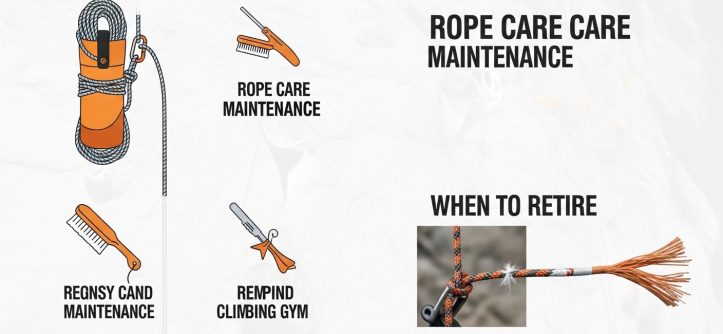
How Long Does a Climbing Rope Last?
Rope lifespan depends on usage frequency and fall severity.
- Frequent use (weekly): 1 year
- Moderate use: 2–3 years
- Rare use: Up to 5 years
Manufacturers recommend retiring ropes after major falls or visible core damage.
Always inspect for:
- Flat spots
- Fuzzy sheath
- Soft sections
What Mistakes Should You Avoid When Buying a Climbing Rope?
Common mistakes include buying too short, too thin, or ignoring certification.
- Ignoring route length
- Choosing ultralight ropes for gym use
- Skipping UIAA verification
- Overpaying for features you don’t need
Match the rope to your climbing style. Not trends.
Conclusion: How Do You Confidently Choose the Right Rope?
The right rope protects your life. That is not dramatic. It is factual.
Start with your climbing type. Choose single rope for sport and gym. Pick a balanced diameter around 9.5–9.8 mm. Select 60m or 70m depending on route height. Confirm UIAA certification. Add dry treatment only if needed.
Climbing gear evolves. Safety principles do not.
Before your next climb, double-check your rope specs. Your future self will thank you.
Frequently Asked Questions About Climbing Ropes
What diameter rope is best for beginners?
9.8–10.2 mm single ropes are best for beginners. They offer durability and easier handling.
Is a 60m rope long enough?
Yes, for most sport routes under 30 meters. Always confirm route length before climbing.
What does UIAA certified mean?
It means the rope passed standardized safety tests for fall resistance, impact force, and elongation.
Do thinner ropes break more easily?
No. Certified thin ropes meet safety standards. However, they wear faster with heavy use.
When should I replace my climbing rope?
Replace immediately after major falls, visible core exposure, or after 1–3 years of regular use.
Are dry ropes worth it?
Yes for alpine and ice climbing. Not necessary for indoor gyms.
Related Topic: How to Work Smarter Not Harder with the Right Productivity Tools
Read Next: How to Start Surf Fishing: Complete Beginner Gear Guide



Leave a Reply